
There’s something oddly comforting about a home that just works. The tap flows clean, the air feels fresh, the appliances hum quietly in the background — no drama, no surprises. But if you’ve ever had something suddenly break down, you know that this kind of smooth living doesn’t happen by accident. It’s usually the result of small, consistent efforts that most people overlook until it’s too late.
I didn’t always pay attention to it either. Like many homeowners, I assumed everything would keep running indefinitely. Turns out, that’s not how things work. Systems wear out, parts clog, and neglect has a funny way of catching up with you at the worst possible moment.
The Quiet Importance of Routine Care
There’s a reason professionals keep repeating the same advice: take care of things before they break. It sounds simple, almost too obvious, but it’s surprisingly easy to ignore.
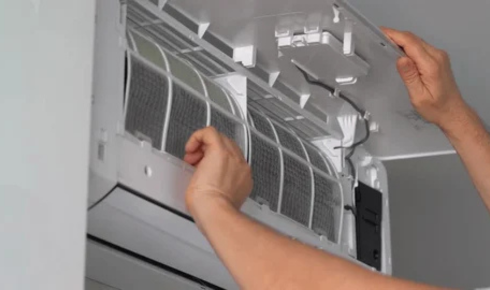
Take something as basic as filter changes. It’s not exactly exciting, right? No one wakes up thinking, “Today feels like a good day to check the filters.” But those small components quietly handle dust, debris, and all sorts of particles that would otherwise circulate through your home. Skip replacing them, and suddenly your air feels heavier, your systems work harder, and your energy bills creep up without warning.
It’s funny how something so small can have such a noticeable impact. You don’t realize how much you rely on it until it stops doing its job properly.
When “I’ll Do It Later” Becomes a Problem
We’ve all said it at some point — “I’ll take care of it next weekend.” And sometimes, that’s fine. But when it comes to your home systems, delay has a way of stacking up.
A minor issue today can quietly evolve into a bigger, more expensive problem tomorrow. That slow drip under the sink, the slightly odd noise from your unit, or the faint drop in performance — these aren’t random quirks. They’re signals.
The challenge is that life gets busy. Work, family, deadlines… things pile up. So these small tasks slip through the cracks. Until one day, you’re dealing with a repair that could’ve been avoided with a bit of attention earlier.
Understanding the Value of Regular Attention
There’s a difference between reacting to problems and preventing them. The latter requires consistency, not perfection.
That’s where maintenance comes into play. It’s less about doing everything at once and more about creating a rhythm — checking, cleaning, adjusting, and occasionally replacing parts before they fail. Think of it like taking care of your car. You wouldn’t skip oil changes indefinitely and expect it to run perfectly, right? Your home systems aren’t much different.
Regular attention doesn’t just extend the lifespan of your equipment; it also keeps everything running efficiently. And efficiency, in the long run, translates into savings — not just money, but also time and stress.
The Cost of Neglect (It Adds Up Faster Than You Think)
Here’s the thing people don’t always talk about: neglect is expensive. Not immediately, maybe. But over time, the costs quietly accumulate.
When systems struggle due to lack of care, they consume more energy. Parts wear out faster. Repairs become more frequent. And eventually, replacements come sooner than expected.
It’s not just financial either. There’s inconvenience — the kind that shows up at the worst possible moment. A breakdown during peak summer or winter isn’t just uncomfortable; it disrupts your routine, your sleep, and sometimes even your work.
All because of something that could’ve been handled with a bit of foresight.
Building Habits That Actually Stick
The tricky part isn’t knowing what to do — it’s actually doing it consistently. That’s where habits come in.
Start small. Set reminders. Tie these tasks to something you already do regularly. Maybe you check things at the start of every month, or whenever you pay your bills. It doesn’t have to be complicated.
Over time, it becomes second nature. You stop seeing it as a chore and start viewing it as part of keeping your space comfortable and reliable.
A More Practical Approach to Long-Term Care
There’s no need to overcomplicate things or aim for perfection. What matters is consistency and awareness.
That’s essentially what system upkeep is all about. It’s not a one-time effort or a checklist you complete once and forget. It’s an ongoing process — a quiet, steady commitment to making sure everything continues to function as it should.
And honestly, there’s something satisfying about it. Knowing that you’re taking control, preventing issues before they arise, and creating a space that works for you rather than against you.
The Subtle Benefits You Don’t Notice Right Away
Interestingly, when everything is working well, you don’t really notice it. That’s kind of the point.
Clean air feels normal. Smooth operation feels expected. Lower bills feel like a bonus. But all of these are direct results of consistent care.
It’s only when something goes wrong that you suddenly become aware of how important these systems are. And by then, you’re already dealing with the consequences.
A Final Thought, Without the Lecture
No one enjoys thinking about upkeep. It’s not glamorous, and it rarely feels urgent — until it is.
But if there’s one thing worth remembering, it’s this: small actions, done regularly, prevent big problems later. You don’t need to be an expert or spend hours managing everything. Just pay a little attention, now and then.
Because in the end, a well-functioning home isn’t about luck. It’s about care — the kind that happens quietly, consistently, and often behind the scenes.