
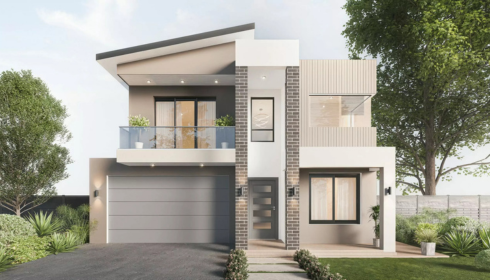
Some houses look beautiful in photographs but feel strangely cold once you step inside. Others aren’t necessarily flashy at all, yet they immediately feel comfortable — the kind of spaces where people naturally gather around the kitchen, sink into the couch after a long day, and somehow stay talking for hours longer than planned.
That difference usually has very little to do with square footage or expensive finishes.
It comes down to intention.
A thoughtfully built home reflects the people living inside it. Their routines, habits, personalities, even the small things they probably don’t think about daily. Morning coffee rituals. Quiet reading corners. Chaotic weekday dinners with children running through the hallway.
And honestly, that’s why building a home feels so personal from the very beginning.
Why Homeowners Want More Than Standard Floor Plans
For years, the housing market leaned heavily toward uniformity. Builders repeated similar layouts because they appealed broadly and sold quickly. But people live differently now than they did even ten years ago.
Remote work changed how homes function. Families spend more time together indoors. Homeowners are paying closer attention to comfort, flexibility, and emotional connection instead of simply chasing trends.
That’s one reason the design build approach has become increasingly popular. Instead of separating architecture, construction, and interior planning into disconnected phases, homeowners work with collaborative teams that handle everything together.
It sounds simple, but it changes the entire experience.
When designers and builders communicate from the start, projects tend to feel more cohesive. Budgets stay clearer. Practical problems get solved earlier. And homeowners avoid the frustrating disconnect that sometimes happens when beautiful designs meet real-world construction limitations.
Honestly, people want less chaos during renovations and new builds — and collaboration helps enormously.
The Best Homes Are Designed Around Daily Habits
One thing I’ve noticed about truly memorable homes is that they support everyday routines effortlessly.
The kitchen flows naturally during busy mornings.
Storage exists exactly where clutter usually gathers.
Natural light reaches the rooms people use most often.
None of those details scream for attention individually, but together they completely shape how a home feels to live in.
That’s why many homeowners are investing in a custom residence instead of settling for layouts that almost work but never fully fit their lifestyle.
And personalization doesn’t always mean extravagant features. Sometimes it’s surprisingly practical:
- Wider hallways for easier movement
- Built-in office space for remote work
- Outdoor living areas designed for actual use
- Flexible guest rooms that evolve over time
- Kitchens centered around family interaction instead of appearance alone
The goal isn’t perfection. It’s comfort.
A home should quietly make life easier rather than forcing people to constantly adapt around awkward spaces.
Building a Home Is Emotional in Ways People Don’t Expect
Nobody really warns homeowners about the emotional side of building.
At first, it’s exciting. Inspiration photos everywhere. Endless possibilities. Fresh starts.
Then the decisions pile up quickly.
Paint colours.
Flooring materials.
Lighting fixtures.
Cabinet hardware that somehow suddenly feels incredibly important.
The home building process can become surprisingly overwhelming because people understand these choices will shape daily life for years to come. Every decision feels permanent in the moment.
And honestly, decision fatigue is real.
At some point, almost everyone reaches a stage where every countertop sample starts looking identical and even choosing doorknobs feels exhausting.
That’s completely normal.
The important thing is remembering why the project started in the first place — not to create a perfect showroom, but to build a home that genuinely supports real life.
Trends Fade Faster Than Comfort
Every year introduces another wave of home trends. Dark dramatic exteriors suddenly replace white ones. Minimalism gives way to warmer layered interiors. Social media moves quickly, and homes designed entirely around trends often feel outdated surprisingly fast.
The homeowners who seem happiest long-term usually focus less on trends and more on timeless functionality.
Natural light rarely goes out of style.
Neither do durable materials or practical layouts.
The best homes often balance clean design with personality. Maybe there’s a handmade dining table with scratches from years of family dinners. Maybe the bookshelf looks slightly messy because people actually read the books on it.
Those imperfections create warmth.
Perfectly staged spaces can look impressive online while still feeling uncomfortable in real life. A home should invite people to relax, not make them nervous about touching anything.
Comfort Has Become the New Definition of Luxury
Luxury used to mean excess. Larger rooms. Bigger chandeliers. Formal spaces nobody ever really used.
Now, comfort has quietly become the real marker of quality.
People want homes that feel calm after stressful days. Spaces that improve routines naturally. Environments that create peace instead of demanding constant maintenance or attention.
Sometimes true luxury is surprisingly subtle:
- Quiet acoustics
- Warm natural materials
- Soft lighting throughout the day
- Storage that actually works
- Rooms designed around connection and ease
Those details shape emotional experience more than dramatic features ever could.
And honestly, homeowners notice those things far more once they’ve lived in the space for a few years.
A Well-Built Home Quietly Improves Everyday Life
At the end of the day, homes aren’t really about trends or appearances alone. They become the backdrop for ordinary moments that slowly turn into memories over time.
Morning routines.
Late-night conversations.
Holiday gatherings.
Quiet weekends.
That’s why thoughtful home design and construction matter so much. Not because every house needs to impress strangers online, but because people deserve spaces that genuinely support the way they live.
A great home doesn’t constantly demand attention. It simply feels right — calm, functional, personal, and comfortable enough to grow alongside the people living inside it.
And honestly, that feeling never really goes out of style.