
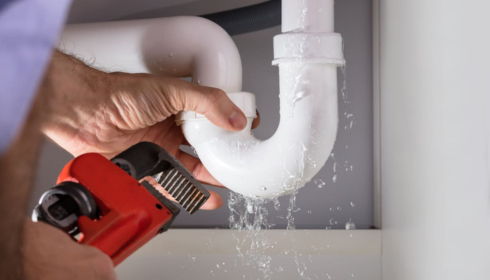
There’s something oddly invisible about plumbing when it’s working properly. You wake up, shower, wash dishes, run the washing machine, maybe water the lawn — all without thinking twice about the pipes hidden behind walls or buried beneath the yard.
That quiet reliability becomes part of everyday life.
Until suddenly it doesn’t.
A strange smell near the bathroom drain. Water pressure dropping for no clear reason. A patch of wet grass that never seems to dry out. These little signs often appear long before homeowners realize something more serious is happening underground.
And honestly, most plumbing issues start small enough to ignore at first.
Water Has a Way of Finding Weak Spots
One thing homeowners learn quickly during plumbing trouble is that water never really stays contained once something goes wrong. It moves through drywall, flooring, insulation, and soil much faster than people expect.
The difficult part is that damage often spreads quietly before visible signs appear.
I remember hearing about a family who noticed a faint musty smell near their laundry room for weeks. They assumed it was humidity or maybe damp towels sitting too long. Eventually they discovered a hidden pipe leak that had slowly damaged the subfloor underneath.
By then, repairing the pipe was actually the easy part.
That’s the frustrating thing about plumbing systems — the visible problem is often only a small piece of what’s happening underneath.
Most Homes Depend on Complex Drainage Systems
People usually think of plumbing mainly in terms of clean water entering the home. But removing wastewater efficiently is just as important, maybe even more in some ways.
Every shower, toilet flush, sink drain, and washing machine cycle sends used water through an interconnected drainage network most homeowners rarely think about. When everything works properly, the process feels effortless.
But once drainage slows down or backs up, daily routines become stressful fast.
Slow drains, unpleasant odors, bubbling toilets, or standing water around the property often signal deeper plumbing concerns below the surface. And unfortunately, underground issues tend to worsen gradually over time if ignored.
Tree roots, soil movement, aging pipes, and years of buildup can all interfere with proper drainage without homeowners noticing right away.
The challenge is that these systems stay hidden until something forces attention onto them.
Underground Pipe Damage Is Harder to Ignore
Leaks behind walls are frustrating enough, but underground plumbing problems create an entirely different level of inconvenience.
A damaged pipeline may cause low water pressure, soggy areas in the yard, unexplained utility bill increases, or even shifting ground around parts of the property. Sometimes homeowners only discover the issue after water damage has already spread significantly.
Professional pipeline repair has evolved a lot over the years, thankfully. Modern plumbers often use camera inspections and trenchless technology to identify and repair damaged lines with far less excavation than older repair methods required.
That matters because nobody wants their driveway or landscaping torn apart unnecessarily.
Still, waiting too long to address underground problems usually increases the overall repair cost. A small crack today may eventually become a collapsed section of pipe later.
And plumbing rarely repairs itself.
Emergencies Never Arrive at Convenient Times
There’s almost a universal law of homeownership: plumbing emergencies always seem to happen during the worst possible moments.
Late at night. Holidays. Weekends. Right before guests arrive.
Funny how that works.
When major leaks, backups, or burst pipes happen suddenly, reliable emergency plumbing services become incredibly important because water damage spreads quickly. The faster the issue gets controlled, the better the chances of minimizing structural damage and repair costs afterward.
One thing homeowners often overlook is knowing where the main shut-off valve is located before an emergency actually happens. During a plumbing disaster, those few extra minutes searching for the valve can make a surprisingly big difference.
And honestly, many people don’t realize how stressful plumbing emergencies feel until they experience one firsthand.
Water pouring through ceilings or backing up into sinks creates a very specific kind of panic.
Older Homes Have Their Own Plumbing Personality
There’s definitely something charming about older homes. Mature trees, unique craftsmanship, detailed architecture — they often feel warmer and more personal than newer properties.
But older plumbing systems usually come with extra vulnerabilities too.
Galvanized pipes corrode internally over time. Sewer lines weaken from decades of shifting soil. Older joints loosen gradually with age and temperature changes. In some homes, outdated materials simply weren’t built for modern water usage demands.
The difficult thing is that plumbing deterioration usually happens slowly enough for homeowners to adapt to the symptoms.
Weak water pressure becomes “normal.” Slow drains seem manageable. Strange pipe noises become part of the background.
Until suddenly something fails completely.
Maintenance Rarely Feels Urgent Until It Saves You
Nobody gets excited about scheduling plumbing inspections. It’s not glamorous. Most homeowners would rather spend money on visible upgrades like kitchens or flooring instead.
But preventative maintenance consistently prevents bigger, more expensive problems later on.
Simple habits genuinely help:
- Watching for unexplained increases in water bills
- Paying attention to slow drains
- Avoiding grease buildup in sinks
- Inspecting visible pipes occasionally for moisture
- Addressing small leaks early
These things sound minor, but they often catch developing problems before serious damage occurs.
And honestly, small repairs usually feel much less overwhelming than emergency restoration projects.
Reliable Plumbing Creates Everyday Comfort
The best plumbing systems are usually the ones nobody notices at all.
Water flows where it should. Drains clear quietly. Bathrooms function normally. Everything simply works in the background while people focus on daily life instead of worrying about pipes underground.
That invisible reliability matters more than people realize.
Because once plumbing problems interrupt normal routines, homeowners quickly understand how much comfort depends on systems they rarely think about when everything is functioning properly.
And maybe that’s the strange beauty of good plumbing — when it’s done right, you barely notice it’s there.