
India’s electric vehicle revolution is accelerating at an unprecedented pace. While discussions around the sector often focus on lithium, charging infrastructure, and renewable energy, another story is unfolding behind the scenes – one driven by the increasing importance of tin and antimony.
As the country expands its electric mobility ecosystem and strengthens its domestic manufacturing capabilities, these two metals are becoming critical enablers of the EV battery supply chain. From battery technologies and energy storage systems to electronics and industrial applications, tin and antimony are helping build the foundation of India’s clean energy transition.
Why Tin Is Becoming a Strategic Metal
Modern electric vehicles rely heavily on sophisticated electronics, sensors, battery management systems, and power control units. At the heart of many of these components lies tin, a metal essential for creating reliable electrical connections.
One of tin’s most important applications is in high-precision soldering used in:
- EV battery packs
- Power electronics
- Charging infrastructure
- Printed Circuit Boards (PCBs)
- Renewable energy control systems
As vehicles become increasingly connected and electronics-intensive, demand for high-quality tin continues to rise. This growing requirement is creating new opportunities for the tin recycling industry to support domestic manufacturing while reducing dependence on imported raw materials.
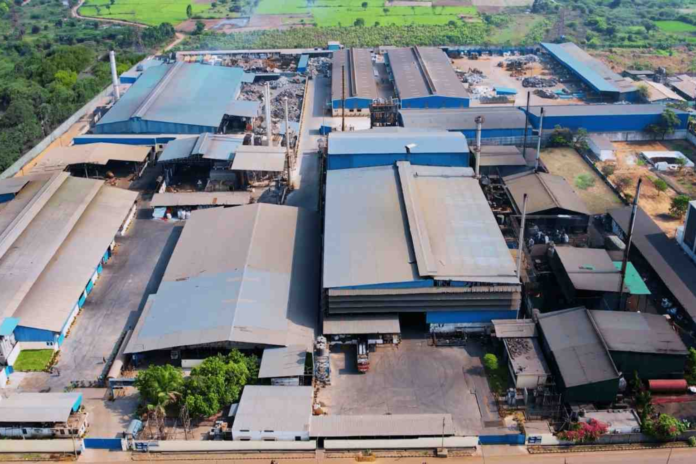
Industry leaders such as Jain Resource Recycling are contributing to this ecosystem through advanced recycling and refining capabilities that help recover valuable metals from industrial and electronic waste streams.
The Continuing Importance of Antimony
While tin enables connectivity, antimony plays a vital role in improving battery durability and performance.
Antimony is widely used to strengthen lead alloys, making it an essential component in lead-acid batteries that continue to power critical infrastructure, including:
- Automotive ignition systems
- Telecom backup systems
- Industrial UPS applications
- Solar energy storage solutions
Despite the rapid growth of lithium-ion technology, lead-acid batteries remain indispensable across multiple industrial sectors because of their reliability, affordability, and established recycling ecosystem.
As India invests heavily in Battery Energy Storage Systems (BESS) to support renewable energy integration and grid stability, demand for efficient antimony recovery and refining solutions is expected to increase significantly.
Recycling Is Becoming a Strategic Resource Solution
The growing demand for specialty metals is changing how industries view recycling.
What was once considered a waste-management activity is now emerging as a strategic resource recovery solution. Through modern metallurgical processes, valuable metals can be recovered from:
- Industrial scrap
- Manufacturing residues
- Electronic waste (E-waste)
- End-of-life batteries
This shift is particularly important for India as it seeks to strengthen domestic supply chains while reducing reliance on imported critical materials.
Advanced electronic waste recycling and metal recovery systems are helping transform discarded materials into valuable industrial resources that can be reintroduced into manufacturing cycles.
The Rise of Advanced Multi-Metal Recovery
The next generation of recycling facilities is moving beyond conventional scrap processing.
Today, modern plants are increasingly focused on multi-metal recovery, enabling the extraction and refinement of multiple valuable materials from a single waste stream. This approach maximizes resource efficiency while supporting the principles of a circular economy.
For battery materials and electronic components, purity levels are critical. Even small amounts of contamination can impact performance, safety, and product lifespan. As a result, investments in advanced tin refining, automated segregation systems, and precision recovery technologies are becoming increasingly important.
Organizations that can consistently produce high-purity metals will play a vital role in supporting India’s growing EV and energy storage industries.
Supporting India’s Circular Manufacturing Future
India’s transition toward sustainable mobility will depend not only on producing new materials but also on recovering existing resources more effectively.
The concept of circular manufacturing is gaining momentum as industries recognize the economic and environmental value of keeping materials in use for longer. Recovering metals such as tin and antimony from industrial and electronic waste reduces pressure on primary mining, lowers environmental impact, and strengthens domestic supply security.
Companies investing in advanced recovery technologies, refining infrastructure, and closed-loop recycling systems are helping create a more resilient manufacturing ecosystem.
As the country’s EV sector, renewable energy capacity, and energy storage infrastructure continue to expand, tin recycling, antimony recovery, and multi-metal recovery will become increasingly important pillars of India’s industrial growth story.
The future of the EV battery supply chain will not be built solely on new resource extraction – it will also depend on how effectively valuable materials are recovered, refined, and returned to the economy. In that future, tin and antimony are set to play a far larger role than many realize.