There’s something a little different about homes that rely on private wells. Maybe it’s the sense of independence that comes with having your own water source, or maybe it’s simply the awareness that the water running through the house isn’t coming from a massive city treatment facility miles away.
People who grow up with city water often don’t think twice about turning on the faucet. But homeowners using well water tend to pay closer attention. They notice taste changes. They notice odors after heavy rain. They notice when the pressure feels different or when minerals start leaving marks around fixtures.
And honestly, that awareness isn’t a bad thing. It usually means people are more connected to the systems quietly supporting their everyday life.
Water Doesn’t Arrive the Same Way Everywhere
One of the biggest misconceptions people have is assuming all household water is basically identical. It’s really not.
Municipal water systems go through centralized treatment processes before reaching homes, but private wells depend heavily on local environmental conditions. Soil composition, nearby agriculture, plumbing infrastructure, and seasonal weather can all influence water quality in subtle ways.
That’s why one home may have perfectly balanced water while another just a few miles away deals with iron stains, sulfur smells, or mineral-heavy water that leaves residue everywhere.
A friend of mine moved into a rural property a couple of years ago and loved the quiet surroundings immediately. But within weeks, they noticed the water tasted different from anything they were used to in the city. Not necessarily bad — just earthier somehow. Later, a local specialist explained how natural minerals from the surrounding area affected the well supply. Once they understood the source, it all made more sense.
The Quiet Importance of Groundwater
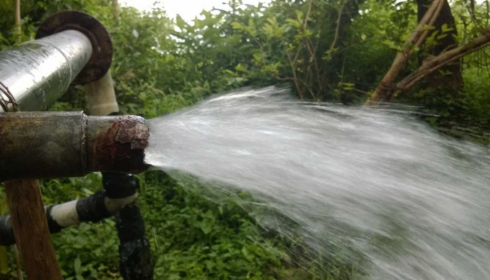
Most people rarely stop to think about where water actually comes from before reaching the faucet. In many rural and semi-rural areas, the answer is groundwater stored beneath the earth’s surface.
Rain and melting snow slowly seep into underground layers of soil and rock, creating natural reservoirs that wells tap into. It sounds simple, but these underground systems are surprisingly sensitive to environmental conditions.
Seasonal weather patterns can affect water levels. Heavy storms may introduce sediment or surface contaminants. Nearby construction, farming practices, and even aging septic systems can sometimes influence water conditions too.
That’s why routine testing matters so much for private well owners. Unlike municipal systems, private wells don’t automatically receive ongoing government monitoring. The responsibility usually falls on the homeowner.
And honestly, that responsibility can feel intimidating at first. But many homeowners eventually realize regular testing is less about fear and more about staying informed.
The Small Signs Homeowners Learn to Notice
One interesting thing about living with private well systems is how quickly people learn to recognize subtle water changes.
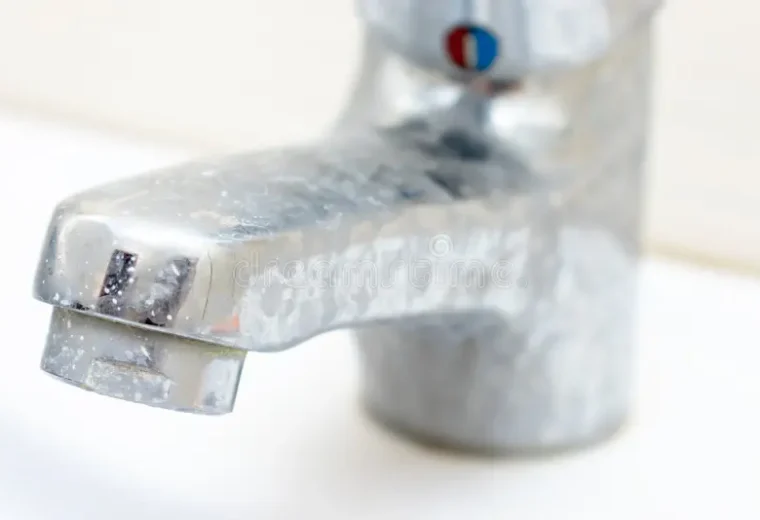
Sometimes it’s a faint metallic taste. Other times, it’s discoloration in sinks or mineral residue around faucets. Maybe laundry starts feeling rougher than usual, or the water develops a temporary odor after periods of heavy rainfall.
Most of these issues don’t necessarily signal dangerous contamination, but they do highlight how dynamic natural water sources can be.
I remember talking with a homeowner who said they could almost predict weather changes based on how their water behaved. After long dry periods, the water pressure shifted slightly. After storms, sediment levels sometimes changed for a day or two. It became part of how they understood the rhythms of their property.
That kind of awareness probably sounds unusual to city residents, but it’s surprisingly common among well owners.
Why Water Treatment Matters More Than People Think
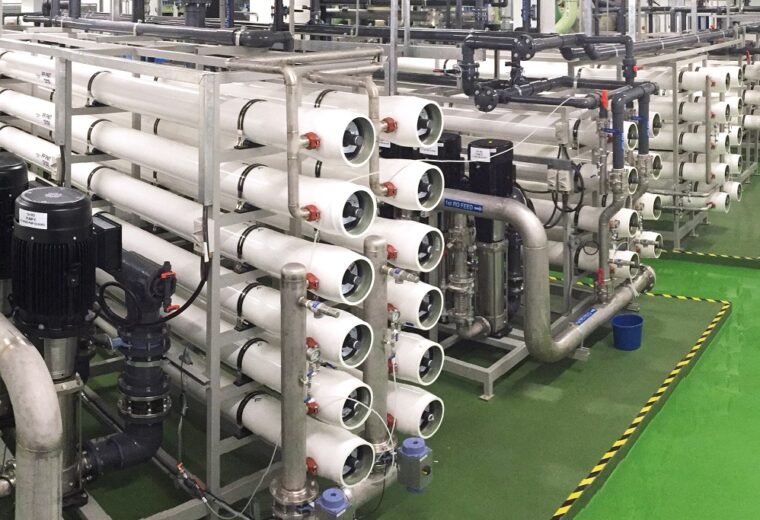
Because private wells vary so much from property to property, many homeowners eventually explore some form of water treatment to improve consistency and comfort.
Sometimes the goal is addressing hard water minerals. Other times it’s filtering sediment, reducing odors, or improving taste. The right solution depends entirely on the specific water profile affecting that household.
And honestly, not every system needs some huge expensive overhaul. In many cases, targeted filtration or regular maintenance solves most concerns effectively.
The important thing is understanding the actual issue before buying random equipment online. A system designed for sulfur odors won’t necessarily help with hard water minerals, for example. Testing first almost always leads to smarter decisions.
Modern treatment systems have also become far easier to manage than people expect. Many operate quietly in the background with minimal maintenance while noticeably improving everyday water quality throughout the home.
Better Water Quietly Changes Daily Life
What’s funny about improving household water is how subtle the benefits often feel at first.
Coffee tastes cleaner. Showers feel softer. Dishes dry without as many spots. Laundry becomes easier on fabrics. Little changes start appearing throughout the house in ways homeowners didn’t necessarily anticipate beforehand.
And because those improvements touch ordinary routines, they often end up mattering more than expected.
A neighbor once told me the biggest surprise after upgrading their filtration system wasn’t the drinking water — it was how much less time they spent scrubbing bathroom fixtures every week. Sometimes the benefits show up in the least glamorous places.
Trusting the Water Beneath Your Home
Living with a private well creates a different relationship with water. It feels less automatic somehow. More connected to the land around the home and the systems operating quietly underground.
That connection can feel overwhelming at first, especially for homeowners new to rural properties. But over time, many people come to appreciate the awareness it creates. Instead of blindly trusting the water, they understand it better.
And maybe that’s really the point. Most homeowners don’t expect perfect water. They simply want confidence that the water supporting their daily life is clean, dependable, and properly cared for.
Once you start paying attention to the role water plays inside a home, it becomes surprisingly clear how much comfort, maintenance, and peace of mind flow directly from something most people once took completely for granted.