
There’s something unsettling about water damage. Not because it’s dramatic—but because it usually isn’t.
It doesn’t announce itself with a loud crash or a visible break. It starts quietly. A slow drip behind a wall. A tiny crack in a pipe. Something so small you’d never notice it… until it becomes something you can’t ignore.
And by then, it’s rarely a small fix.
The Problem With Hidden Risks
Water has a way of staying out of sight. It moves through pipes, behind walls, under floors—places you don’t check during your day-to-day routine.
That’s why it’s one of the most common causes of home damage. Not because it’s unpredictable, but because it’s invisible until it isn’t.
Most homeowners don’t think about it until something goes wrong. A stain appears on the ceiling. A cabinet starts to warp. The signs show up late.
And that’s the real challenge—not fixing the damage, but catching it before it starts.
When Prevention Starts to Matter More Than Repair
For a long time, home maintenance has been reactive. Something breaks, you fix it. Something leaks, you repair it.
But water doesn’t always give you that kind of warning.
That’s why systems designed with water damage protection in mind are becoming more common. Not because people expect problems, but because they want to avoid them altogether.
It’s a shift in thinking. Less about reacting, more about preventing.
The Role of Smart Monitoring
So how do you catch something you can’t see?
It comes down to awareness.
Modern systems don’t rely on visual checks. They track patterns—how water flows through your home, how much is used, when it changes. These patterns create a baseline, something normal.
And when something deviates from that baseline, even slightly, it’s noticed.
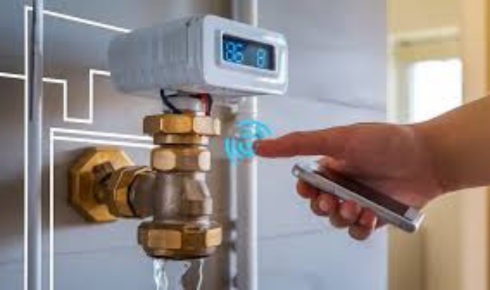
That’s where flow meters come in. They measure the movement of water in real time, helping systems understand what’s typical and what’s not. It’s not something you interact with directly—it’s just there, quietly collecting information.
And that information can make all the difference.
Acting Before It Becomes a Problem
Detecting a leak is one thing. Responding to it is another.
This is where technology has taken a meaningful step forward.
Instead of just alerting you to a problem, some systems can act on it. They can stop the flow of water before the issue spreads.
That’s the idea behind automatic shut off—a feature that sounds simple but can prevent significant damage. When unusual activity is detected, the system cuts the water supply, limiting the impact.
It’s not about replacing human decision-making. It’s about buying time—giving you a chance to address the issue before it escalates.
Living With Less Uncertainty
What’s interesting is how these systems change the way you feel about your home.
At first, it’s a conscious thing. You’re aware of the technology, aware that something is monitoring your water usage.
But over time, it fades into the background.
You stop thinking about it. You stop worrying about what might be happening behind the walls. There’s a quiet confidence that settles in—not because your home is perfect, but because it’s being watched in ways you can’t manage on your own.
The Cost Question (Because It Always Comes Up)
Let’s be honest—any kind of upgrade comes with a cost.
And for many people, that’s the biggest hesitation. Is it worth it?
Water damage isn’t something that happens every day. But when it does, it can be expensive, disruptive, and difficult to manage.
So the question becomes less about cost and more about risk.
Are you willing to invest in prevention, or are you comfortable dealing with the consequences if something goes wrong?
There’s no universal answer. But it’s a question worth considering.
Maintenance Without the Headache
Even smart systems need a bit of attention.
They might require occasional updates or simple checks. But they’re designed to reduce effort, not add to it.
The goal isn’t to create more work—it’s to simplify what you already have. To take something complex and make it manageable.
And in most cases, that’s exactly what they do.
A Final Thought
Water is one of those things we take for granted because it’s always there. It flows when we need it, disappears when we don’t, and quietly supports everything in between.
But behind that simplicity is a level of complexity we don’t always see.
And when something goes wrong, it reminds us just how important it is.
The good news is, you don’t have to rely on luck or constant vigilance. With the right approach, you can create a system that works quietly in the background—protecting your home without demanding your attention.
Because sometimes, the best solutions are the ones you don’t have to think about at all.