There’s a moment most people can relate to, even if they don’t talk about it. You take a sip of water at home and pause—not because it’s bad, but because it’s not quite what you expected. It’s subtle. Easy to ignore.
But then it happens again.
And suddenly, something as ordinary as water starts to feel… worth questioning.
The First Thing You Notice Is Usually Taste
Water is supposed to feel neutral. Clean. Almost invisible in flavor. So when it isn’t, it stands out more than you’d think.
Sometimes it’s a faint sharpness. Other times, just a dull, flat taste that makes you reach for something else instead. You don’t stop drinking it—you just stop enjoying it.
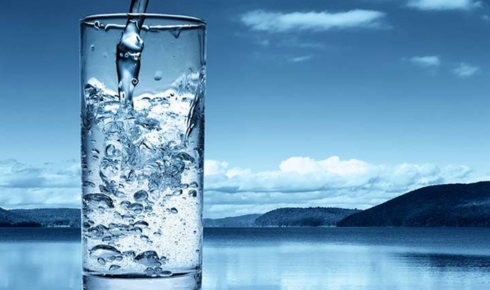
That’s often when people begin looking for filtered high quality water. Not because they’re worried, but because they want something better. Something that feels right without having to think about it.
And once you experience that clean, crisp difference, it becomes your new normal.
The Smell You Can’t Quite Ignore
Taste isn’t the only thing that shifts. Smell plays a role too, even if it’s easy to overlook at first.
You turn on the tap, and there’s a slight scent—nothing overpowering, just enough to make you notice. Maybe it reminds you of a swimming pool, or something faintly chemical that doesn’t belong in your kitchen.
These are often caused by chemical odors, typically linked to disinfectants like chlorine. They’re used to keep water safe, but they can leave behind a presence that affects your overall experience.
It’s not dangerous. But it’s not exactly pleasant either.
And over time, it becomes one of those small things that quietly bothers you more than you expected.
The Residue That Tells a Story
Then there are the signs you can actually see.
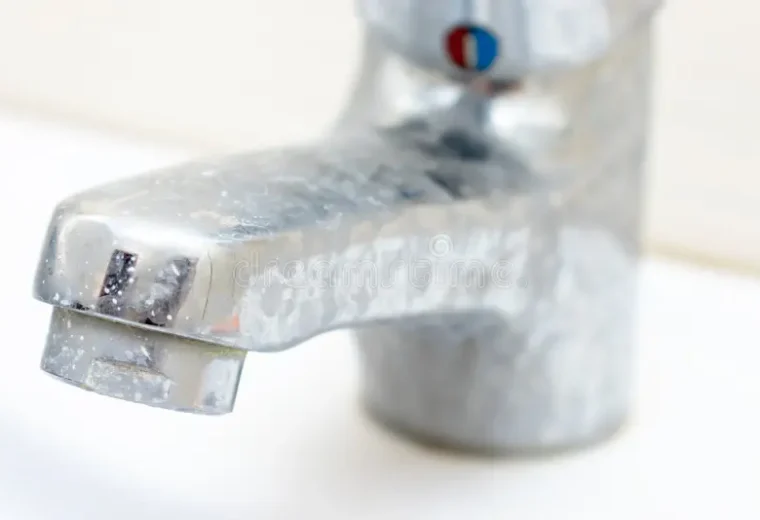
White spots on glassware. A chalky film on faucets. Showerheads that seem to clog faster than they should. These are the kinds of things you might scrub away without thinking twice.
But they keep coming back.
That’s usually a sign of mineral buildup—calcium and magnesium deposits left behind as water evaporates. It’s incredibly common, especially in certain areas, and while it’s not harmful, it can be frustrating.
It affects how your home looks, how your appliances perform, and how much effort you put into everyday cleaning.
It’s Not Just About Drinking Water
One of the biggest realizations people have is that water quality affects far more than what’s in their glass.
It’s in your shower, your laundry, your dishwasher. It touches everything. And when it’s slightly off, even in small ways, those effects show up across your entire routine.
Your clothes might feel rougher. Your skin might feel drier. Your appliances might need more maintenance than expected.
Individually, these things don’t seem like a big deal. But together, they add up.
Understanding Before Fixing
The good news? You don’t have to guess what’s going on.
Water can be tested. Analyzed. Understood.
And once you know what’s actually in your water—whether it’s minerals, chlorine, or other elements—you can make decisions that make sense for your home.
It’s not about jumping into the most advanced system. It’s about finding the right fit.
Small Changes, Real Impact
What surprises most people is how even small improvements can make a noticeable difference.
Cleaner taste. Less odor. Reduced residue. These aren’t dramatic transformations, but they’re meaningful.
Your routines become easier. Your home feels more comfortable. And the small frustrations you used to ignore start to fade away.
A Different Kind of Home Upgrade
We’re used to thinking about upgrades in visual terms—new furniture, fresh paint, updated décor.
Water doesn’t fit into that category.
It’s invisible. It works in the background. But it shapes your experience in ways that are hard to ignore once you notice them.
And maybe that’s what makes it so interesting—because it’s not about how your home looks. It’s about how it feels.
Starting Without Pressure
If you’ve started noticing changes in your water, you don’t need to rush into decisions.
Take a step back. Pay attention. Ask questions. Explore your options.
Because often, the first step isn’t about fixing anything—it’s about understanding what’s happening in the first place.
Where It All Comes Together
At the end of the day, better water isn’t about perfection. It’s about comfort. Consistency. Trust.
It’s about knowing that something so essential is working the way it should—quietly, reliably, without drawing attention to itself.
And once you experience that shift, it becomes part of your everyday life.
Not something you think about all the time.
Just something that makes everything feel a little bit better.