There’s a moment that catches you off guard. You take a sip of water and pause—not because it’s bad, but because it’s… different. Slightly metallic, maybe. Or there’s a faint smell you hadn’t noticed before.
It’s easy to brush it off. One odd glass doesn’t mean much, right?
But then it happens again. And slowly, something you never used to think about starts to sit at the back of your mind.
The Quiet Changes You Start Noticing
Water doesn’t usually change overnight. It drifts. A subtle shift in taste. A faint discoloration in the sink. Spots on your glassware that don’t quite rinse away.
None of it feels urgent, which is why most people ignore it for a while. But water has a way of repeating itself. And repetition tends to turn curiosity into concern.
That’s when people start asking questions they’ve never asked before.
Starting with a Simple Check
One of the easiest ways to move from guessing to understanding is home water testing. It’s not complicated, and it doesn’t require you to become an expert overnight.
Testing gives you a snapshot—what’s in your water, how much of it, and whether it’s something worth addressing. It removes that vague uncertainty and replaces it with something concrete.
And once you have that information, you can make decisions that actually make sense for your home.
The Familiar Taste You Might Be Ignoring
One of the most common things people notice is a slight chemical taste. Not strong, not overwhelming—just enough to make you hesitate.
In many cases, that taste comes from chlorine, which is often used in municipal water supplies to keep things safe. It does its job well, but it can leave behind a flavor that isn’t exactly pleasant.
Some people don’t mind it. Others notice it immediately. It’s one of those things that varies from person to person, but once you pick up on it, it’s hard to ignore.
And while it’s there for a reason, it’s also something many homeowners look to reduce for a better everyday experience.
When Water Leaves a Visible Trace
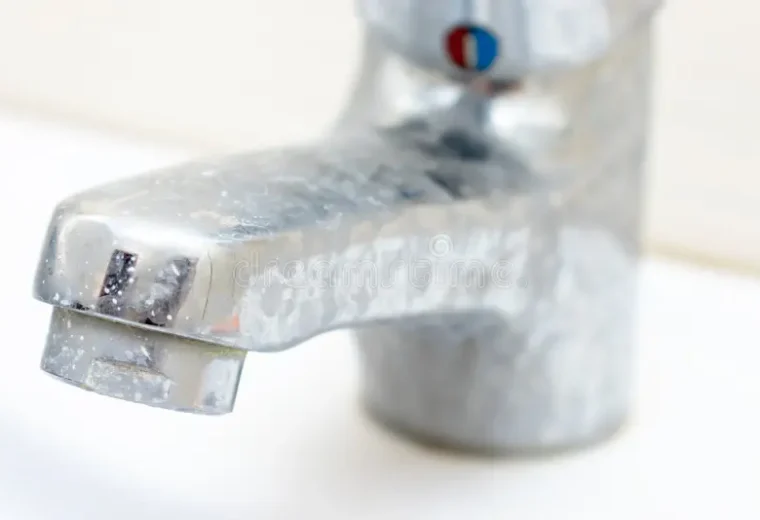
Then there are the issues you can actually see. A reddish tint in your sink. Stains on your fixtures that don’t scrub away easily. Tiny particles settling at the bottom of a glass.
This is often linked to iron sediment, especially in homes that rely on well water or older plumbing systems. It’s not always harmful, but it can be frustrating.
It affects more than just appearance. Laundry can come out discolored. Fixtures lose their shine. Even your water might feel heavier somehow.
It’s one of those problems that starts small but becomes more noticeable over time.
Understanding Without Overcomplicating
Here’s the thing—water quality can sound complicated, but it doesn’t have to be. You don’t need to understand every chemical or process to take control of your water.
Start with what you notice. Taste, smell, appearance—these are all clues. If something feels off, it’s worth exploring.
Testing, learning a bit more, and taking small steps can go a long way. You don’t have to fix everything at once. In fact, it’s better if you don’t.
A thoughtful approach tends to lead to better outcomes.
The Everyday Impact You Didn’t Expect
What surprises most people isn’t just what’s in their water—it’s how much it affects daily life.
Better water can mean cleaner dishes, softer laundry, and even more comfortable showers. It’s not just about what you drink—it’s about how water interacts with everything in your home.
These changes don’t feel dramatic. They’re subtle, almost quiet. But over time, they add up in ways that are hard to ignore.
Taking the First Step
If you’ve been noticing small changes in your water, the best thing you can do is pay attention. Don’t overthink it. Just start observing.
Does the taste feel different? Is there a smell you can’t place? Are there visible changes in your sink or glassware?
From there, consider testing your water. It’s a simple step, but it gives you clarity. And clarity makes everything else easier.
A Quiet Improvement That Lasts
Improving your water isn’t about chasing perfection. It’s about making small changes that improve your everyday experience.
When your water feels right, you stop thinking about it. It blends back into your routine, doing its job without drawing attention.
And honestly, that’s the goal.
Final Thoughts
Water is one of those things we rely on without question—until it gives us a reason to pause. And when it does, it’s worth listening.
Because those small signals—taste, smell, appearance—are your starting point. They’re not something to fear, just something to understand.
And once you do, you’ll find that better water isn’t complicated. It’s just a matter of paying attention and taking the right steps, one at a time.