There’s a strange thing about water—it feels the same everywhere, until it doesn’t.
You might travel, stay somewhere new, take a sip from the tap and pause. Something’s different. Not bad, exactly… just unfamiliar. A different taste, a different feel.
And then it clicks: water isn’t universal. It’s local.
What flows into your home carries traces of the land, the pipes, the treatment methods—everything it has passed through. And once you start noticing that, you realise why some homes struggle with water quality while others don’t seem to think about it at all.
Why Location Matters More Than You Think
We often assume water quality is controlled, consistent, predictable.
But the truth is, it varies more than most people realise.
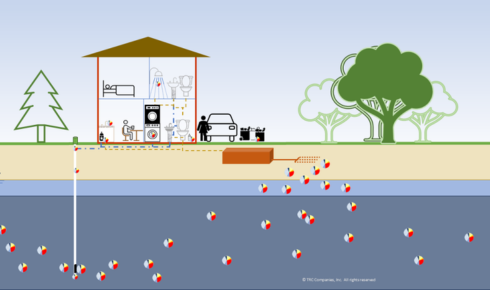
Groundwater behaves differently than surface water. Coastal areas bring different mineral profiles than inland regions. Older infrastructure introduces variables that newer systems don’t.
That’s why solutions that work in one area don’t always translate perfectly to another. The real goal isn’t to find a universal fix—it’s to address regional water challenges in a way that actually reflects where you live.
It’s a more grounded approach. Less about guesswork, more about alignment.
The Concerns You Don’t Always See
Not all water issues are obvious.
Some you can taste or smell. Others remain completely invisible, quietly present in the background.
Lately, there’s been growing awareness around pfas and sediment concerns, especially in areas where industrial activity or natural runoff affects water sources.
You won’t see these things in your glass. You won’t necessarily notice them in your daily routine.
But that doesn’t mean they’re not there.
And that’s what makes awareness so important—not fear, just understanding.
When Treatment Changes the Experience
Municipal treatment systems do an essential job. They make water safe at a basic level.
But the process can introduce its own characteristics.
A sharp taste. A faint chemical smell. Subtle changes that don’t feel quite right.
This is where chlorine and lead issues sometimes enter the conversation, particularly in older areas with aging infrastructure.
Again, it’s not always about immediate danger. It’s about refining the quality of water so it feels better to use, drink, and rely on every day.
The Everyday Impact You Might Overlook
Water touches almost every part of your routine.
It’s in your morning coffee, your evening shower, your laundry, your cooking. So when quality shifts—even slightly—you feel it in unexpected ways.
Dry skin. Dull fabrics. Appliances that seem to wear out faster than they should.
None of these are dramatic problems. But together, they shape your experience.
And once you notice them, it becomes clear that improving water quality isn’t just about safety—it’s about comfort.
Paying Attention to the Small Signals
Water doesn’t usually give loud warnings.
It nudges.
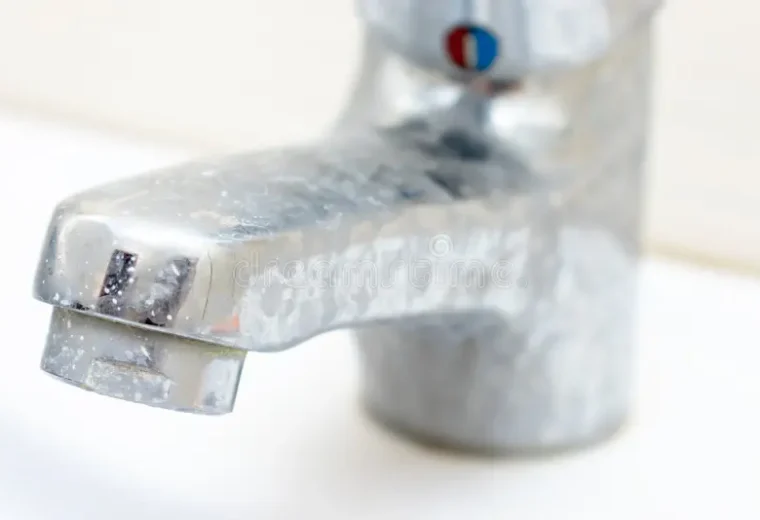
A buildup of scale on your fixtures. A taste that feels just a bit off. A lingering residue that wasn’t there before.
These aren’t emergencies, but they’re worth noticing.
Because small signals often point to larger patterns. And catching those patterns early makes it easier to respond in a thoughtful way.
Finding Solutions That Fit Your Reality
There’s no shortage of water treatment options out there.
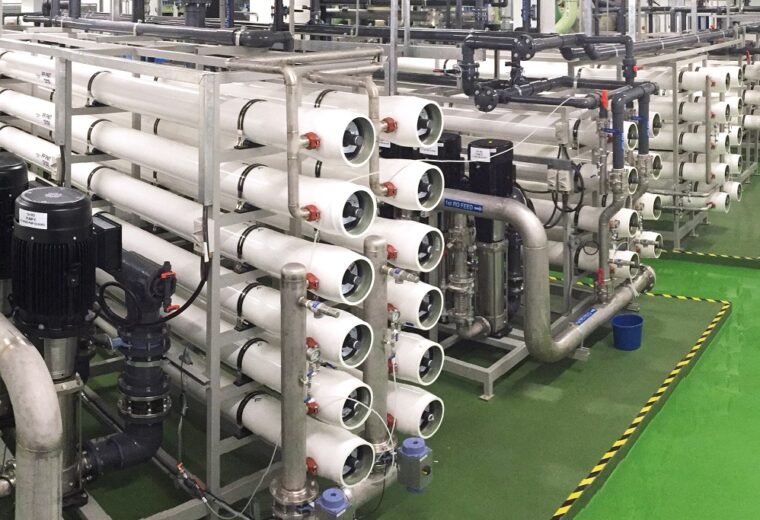
Filters, softeners, purification systems—it can feel overwhelming if you try to compare everything at once.
But the key isn’t to find the most advanced solution. It’s to find the right one for your situation.
That might mean improving taste. Reducing sediment. Addressing specific contaminants.
The solution doesn’t have to be complicated—it just has to be relevant.
Maintenance: The Quiet Part That Matters
Even the best systems need a bit of care.
Filters wear out. Components need occasional checks. Small adjustments keep everything running the way it should.
It’s not a big commitment, but it’s an important one.
Because consistency over time is what makes any improvement worthwhile.
When Better Water Becomes Normal
There’s a point where improved water quality stops feeling like an upgrade and starts feeling like the baseline.
At first, you notice everything—the taste, the clarity, the way daily tasks feel just a little smoother.
But over time, it becomes normal.
You stop thinking about it.
And that’s the goal.
Final Thoughts: Letting Your Water Work With You
At the end of the day, water is more than just a utility.
It’s part of your environment. Part of your routine. Part of how your home feels and functions.
And understanding it—really understanding it—makes all the difference.
Because when your water reflects the needs of your location, when it’s aligned with your daily life, it stops being something you question.