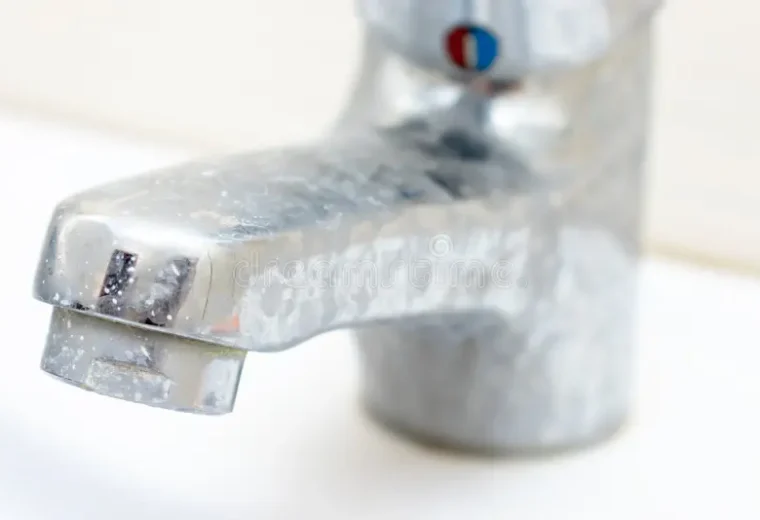
There’s a quiet truth about water that doesn’t get talked about enough—it’s never exactly the same from one place to another. Two homes just a few kilometers apart can have noticeably different water. One feels soft and easy, the other leaves marks, smells faintly strange, or just doesn’t taste quite right.
And it’s not random. It’s geography, infrastructure, and local conditions all shaping something we usually take for granted.
Water Is Local, Whether We Notice It or Not
We tend to think of water as a standard utility, like electricity. But it doesn’t really work that way. Water carries the story of its surroundings—minerals from the soil, residues from pipes, sometimes even traces of nearby activity.
That’s why understanding your specific service areas matters more than people realize. It’s not just about convenience or availability—it’s about knowing what kind of water flows through your home in the first place.
In some neighborhoods, hard water is the norm. In others, it’s iron or sediment. And occasionally, it’s a mix of things that don’t fit neatly into one category. What works in one area might be completely unnecessary—or ineffective—in another.
The Subtle Differences That Shape Everyday Life
These variations show up in ways that are easy to overlook. Your neighbor might swear their water is perfectly fine, while you’re dealing with constant buildup on your fixtures. Someone across town might never notice a smell, while you catch it every time you turn on the tap.
It’s these small, localized differences that make water solutions feel so personal. You’re not just solving a general problem—you’re addressing something specific to your home, your street, your surroundings.
And that’s where broader terms like water treatment regions start to make more sense. They help map out patterns—what’s common, what’s unusual, what people in a particular area typically experience. It’s not about labeling water as “good” or “bad,” but understanding its character.
Why One-Size Solutions Rarely Work
It’s tempting to look for a universal fix. A system that works everywhere, solves everything, and requires no second thought. But water doesn’t really allow for that kind of simplicity.
What works beautifully in one home might be unnecessary in another. And sometimes, overcorrecting can create new issues instead of solving the original one.
That’s why the best approach is often more thoughtful. Instead of jumping straight to solutions, it helps to pause and ask a simple question: what’s actually happening with my water?
The answer usually leads you in the right direction.
The Value of Someone Who Knows Your Area
There’s something reassuring about speaking to someone who understands your local conditions—not just in theory, but from experience. Someone who’s seen the patterns, worked with similar issues, and knows what tends to work (and what doesn’t).
That’s where local experts make a real difference. They’re not guessing. They’re working with context—your region, your water source, your specific concerns.
It’s a bit like asking a neighbor for advice instead of reading a generic guide. The information feels more grounded, more relevant, and often more practical.
Small Changes That Add Up Over Time
Improving your water doesn’t usually come with a dramatic turning point. There’s no single moment where everything suddenly feels different. Instead, it’s a gradual shift.
Your dishes come out cleaner. Your appliances run a bit more smoothly. The water you drink tastes just a little better. And over time, those small improvements start to feel significant.
What’s interesting is how quickly you adapt. The new normal becomes just… normal. And it’s only when you think back that you realize how much has changed.
Finding Your Own Balance
There’s no perfect formula for water. What matters is finding a balance that works for your home. Not the most advanced system, not the most expensive setup—just the one that addresses your needs without adding unnecessary complexity.
Sometimes that means treating your entire water supply. Other times, it’s focusing on specific areas like drinking water or shower quality. The right choice is the one that fits naturally into your daily life.
A Thought That Stays With You
Water might feel like a simple part of your home, but it’s shaped by where you are in ways you don’t always see. Paying attention to that doesn’t mean overthinking—it just means being aware.
Because when your water feels right—when it tastes clean, behaves well, and stops causing those little frustrations—you notice the difference. Not in a big, dramatic way, but in the quiet comfort of everyday life.
And honestly, that’s what most of us are looking for. Not perfection. Just something that works the way it should, right where we are.