
There’s a moment when you realise something isn’t quite right with your water. It doesn’t shout at you—it just quietly hints. A tap that sputters a bit. A glass that doesn’t look as clear as it used to. Maybe even a faint grit you notice only if you’re paying attention.
It’s easy to brush it off. Most people do.
But those little signs tend to point to one thing: sediment.
The Quiet Trouble Sediment Brings
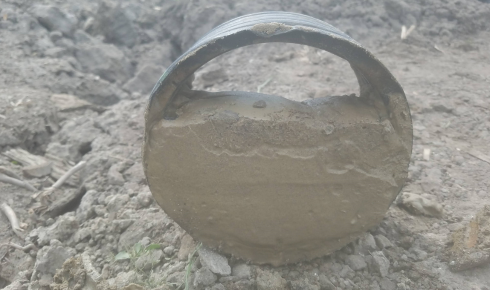
Sediment isn’t always obvious. Sometimes it’s visible, like tiny grains settling at the bottom of a container. Other times, it hides in the system, slowly building up where you can’t see it.
And over time, it starts to affect how everything works.
Water pressure changes. Appliances feel less efficient. And before you know it, you’re dealing with clogged fixtures—faucets that don’t flow properly, showerheads that spray unevenly, valves that seem to have a mind of their own.
It’s not dramatic, but it’s frustrating.
Not All Particles Are the Same
One of the things that makes sediment tricky is that it comes in different forms. And each type behaves differently.
Larger particles like coarse sand are usually easier to spot. You might see them right away, especially if your water source has been disturbed—after heavy rain, for example, or changes in the ground.
These particles don’t travel far before settling, but when they do, they can cause wear inside pipes and fixtures. Over time, that wear adds up.
On the other hand, smaller particles behave very differently.
The Ones You Don’t See Can Still Matter
Then there are the finer materials—almost invisible, but no less important.
Fine silt particles can pass through basic filtration systems and move deeper into your plumbing. You won’t see them easily, but you’ll notice their effects over time.
They can cause water to appear slightly cloudy, or leave behind a thin layer of residue that’s hard to explain. It’s subtle, but persistent.
And because they’re harder to catch, they often require a more thoughtful approach to filtration.
Why It’s Easy to Ignore the Problem
Here’s the thing about sediment—it rarely feels urgent.
Unlike a leak or a complete system failure, it doesn’t demand immediate attention. You can live with it for a while. Adjust. Work around it.
But that’s where the problem grows.
Sediment doesn’t go away on its own. It continues to move through your system, gradually affecting more areas. What starts as a minor inconvenience can turn into something more complicated over time.
Finding the Right Approach
The good news is that sediment issues are usually manageable. You don’t need an overly complex solution to start making improvements.
A properly chosen sediment filter can handle most of the heavy lifting. The key is matching the filter to the type of particles you’re dealing with.
Larger particles require a more open filter to maintain water flow. Smaller particles need finer filtration, but that comes with its own challenges—like faster clogging.
It’s a balance.
And sometimes, it takes a bit of adjustment to get it right.
The Role of Maintenance
Even the best filter won’t work forever.
Over time, it fills up with the very particles it’s designed to catch. When that happens, water flow slows down, and performance drops.
Regular maintenance isn’t complicated. It’s just about paying attention.
Checking filters, cleaning or replacing them when needed, and noticing changes in water behaviour. These small steps keep everything running smoothly.
Ignore them, and the problem tends to return.
The Bigger Impact You Might Not Expect
What’s interesting about sediment issues is how far they reach.
It’s not just about water clarity. It’s about how your entire system functions.
Appliances last longer when they’re not dealing with abrasive particles. Pipes stay cleaner. Even your daily routines feel easier when water flows the way it should.
It’s a chain reaction—small improvements in one area leading to benefits in others.
Keeping It Practical
It’s easy to overthink water problems. To feel like you need the perfect solution right away.
But in most cases, a practical approach works best.
Start with what you know. Address the most obvious issues. See how your system responds, and adjust if needed.
You don’t have to solve everything at once.
Final Thoughts: Listening to What Your Water Is Saying
At the end of the day, your water is always giving you feedback. It just doesn’t use words.
Changes in flow, clarity, or performance are all signals. Not urgent alarms, but quiet reminders that something could be improved.
Paying attention to those signals—and acting on them—makes all the difference.
Because when your water system is working properly, you don’t think about it at all. It fades into the background, doing its job without fuss.
And honestly, that’s exactly how it should be.