
There’s something oddly comforting about turning on a tap and knowing clean water will flow instantly. Most of us barely think about it until something goes wrong—a pump fails, water pressure drops, or an unexpected outage leaves the house without running water. It’s in those moments that you realize how much depends on a well-designed storage system.
Water storage tanks rarely get the attention they deserve. They sit quietly in the background, doing their job day after day. Yet they play a huge role in protecting water quality, ensuring consistent availability, and helping homes, farms, and businesses stay prepared for changing conditions. Whether you’re building a new property or upgrading an older system, choosing the right tank isn’t just another purchase. It’s an investment in peace of mind.
A Reliable Storage System Starts with the Right Tank
Every property has different water demands. A family home doesn’t use water the same way a commercial building does, and a farm certainly has different priorities than a warehouse or manufacturing facility.
That’s why selecting the correct tank involves more than simply choosing a size. Material, placement, climate, intended use, and maintenance all influence long-term performance.
Modern high-quality storage tanks are built to withstand harsh weather, resist corrosion, and maintain water quality over many years. Unlike cheaper alternatives that may crack, leak, or degrade under sunlight, premium tanks are designed for durability and dependable service.
In many cases, spending a little more upfront saves thousands of dollars in future repairs, replacements, and water loss.
Why Capacity Isn’t the Only Thing That Matters
People often focus entirely on tank capacity. Bigger seems better, right? Well, not always.
An oversized tank may lead to water sitting unused for long periods, increasing the chance of stagnation if maintenance isn’t consistent. On the other hand, a tank that’s too small can leave you scrambling during periods of heavy demand.
The sweet spot depends on several factors:
- Daily household or business consumption
- Seasonal demand
- Rainfall patterns
- Backup requirements
- Local water availability
- Future expansion plans
Thinking ahead can make all the difference. If you’re planning to add irrigation, expand your property, or increase occupancy later, it makes sense to account for those changes before installation.
Materials Make a Bigger Difference Than You Might Expect
Not all storage tanks are manufactured the same way.
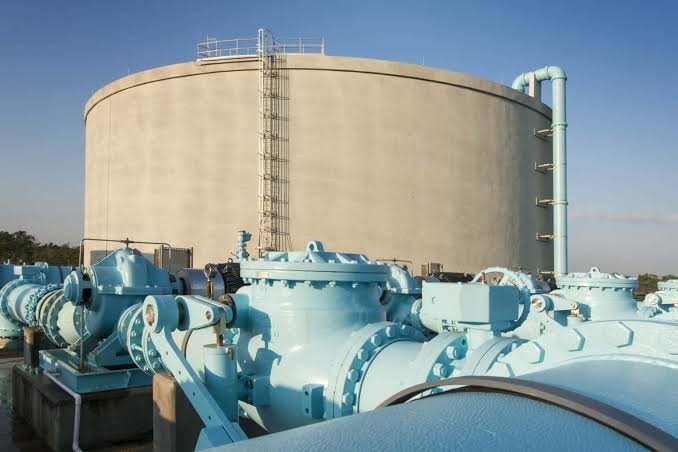
Polyethylene tanks remain popular because they’re lightweight, affordable, and resistant to rust. Stainless steel options provide outstanding durability and hygiene, making them attractive for commercial applications. Concrete tanks offer impressive longevity and insulation, while fiberglass solutions perform well in corrosive environments.
Each material has strengths and trade-offs.
Instead of chasing the lowest price, it’s worth considering lifecycle cost. A tank that lasts twenty years with minimal maintenance often delivers far greater value than one requiring frequent repairs after only a few seasons.
Protecting Water Quality Every Day
A storage tank doesn’t simply hold water—it protects it.
Poorly designed or poorly maintained tanks can allow sediment, algae, insects, and contaminants to enter the system. Once contamination occurs, cleaning becomes expensive and inconvenient.
Fortunately, prevention is much easier.
A properly sealed tank with secure lids, screened vents, and regular inspections helps preserve water quality for drinking, washing, irrigation, and other daily uses. Cleaning schedules may vary depending on local conditions, but routine inspections are always worthwhile.
It’s one of those maintenance tasks people tend to postpone until there’s a problem. By then, the damage has often already started.
Supporting a reliable water supply Throughout the Year
Weather has become increasingly unpredictable. Long dry spells, seasonal restrictions, and infrastructure maintenance can interrupt municipal water availability without much warning.
That’s where storage becomes incredibly valuable.
A properly sized tank provides a dependable reserve that supports a reliable water supply even when temporary disruptions occur. For homeowners, that means less stress during outages. For businesses, it can prevent costly downtime. Agricultural operations rely on stored water even more heavily, especially during periods when rainfall becomes scarce.
Having water available when everyone else is waiting can make an enormous difference.
Installation Matters Just as Much as the Product
Even the highest-quality tank can underperform if installed incorrectly.
Stable foundations, proper plumbing connections, overflow management, drainage planning, and accessibility for maintenance all contribute to long-term reliability.
Professional installation often identifies issues that homeowners might overlook, such as uneven ground, inadequate support, or poor pipe routing.
It’s similar to buying an excellent vehicle. Without proper maintenance and setup, performance simply won’t match expectations.
Maintenance Doesn’t Need to Be Complicated
Many people imagine water tanks require constant attention, but that’s rarely true.
Simple habits go a long way:
- Check for visible cracks or leaks.
- Inspect lids and screens.
- Remove nearby vegetation.
- Clean sediment when recommended.
- Monitor fittings after heavy storms.
- Inspect overflow systems regularly.
These quick inspections usually take very little time but can prevent much larger issues later.
Like changing your car’s oil, small maintenance routines help expensive equipment last much longer.
Choosing a Solution That Matches Your Future water needs
Life changes.
Families grow. Businesses expand. Landscapes evolve. Water consumption that seems perfectly adequate today may feel insufficient only a few years from now.
That’s why planning for future water needs makes practical sense. Selecting a storage solution with some flexibility helps avoid costly upgrades down the road.
Many property owners wish they had considered future growth before installing smaller systems. Thinking long-term almost always pays off.
Sustainability Begins with Smarter Storage
Water conservation isn’t only about using less water. It’s also about storing available resources efficiently.
Storage tanks support rainwater harvesting systems, reduce dependence on municipal supplies, and create greater resilience during drought conditions. Combined with efficient plumbing fixtures and responsible water management, they contribute to lower environmental impact while often reducing utility costs.
Small improvements, when multiplied across thousands of homes and businesses, create meaningful environmental benefits.
That’s one reason water storage has become increasingly important in both residential and commercial planning.
Final Thoughts
Water is one of those essentials we rarely appreciate until access becomes uncertain. A dependable storage tank quietly works behind the scenes every single day, protecting water quality, supporting daily routines, and providing reassurance during unexpected interruptions.
Choosing the right system isn’t simply about buying a container. It’s about selecting a solution built to last, installed correctly, maintained responsibly, and designed around both current and future demands.
When you invest thoughtfully, you’re doing more than storing water. You’re creating a dependable foundation that supports your home, business, or property for years to come. And honestly, that’s one investment very few people ever regret.