Walk into any home improvement store and you’ll find shelves packed with water filters, softeners, purification systems, and promises of crystal-clear water. Every product claims to solve common household problems, from strange tastes to stubborn stains. For a homeowner trying to make the right decision, it can feel like information overload.
The surprising part is that choosing better water isn’t really about buying the newest gadget. It’s about understanding your water before spending money on equipment.
Every home has its own story. Some households struggle with mineral-rich well water, while others deal with chlorine, sediment, or aging municipal infrastructure. Because no two water supplies are exactly alike, the smartest investment starts with learning what is actually flowing through your pipes.
Once you know that, everything else becomes much easier.
Every Home Experiences Water Differently
It’s tempting to think your neighbor’s recommendation will work perfectly for your home.
Sometimes it does—but often it doesn’t.
Two homes on the same street may receive water from different sources or have plumbing systems that influence water quality in different ways. Groundwater conditions, seasonal rainfall, underground geology, and even pipe materials all contribute to unique household water characteristics.
That’s why guessing usually leads to unnecessary expenses.
Understanding your water first always produces better long-term results.
Testing Before Buying Makes Financial Sense
Many homeowners notice cloudy dishes or an unusual taste and immediately begin shopping for filtration systems.
While the intention is understandable, buying equipment before testing often means treating symptoms instead of solving the actual problem.
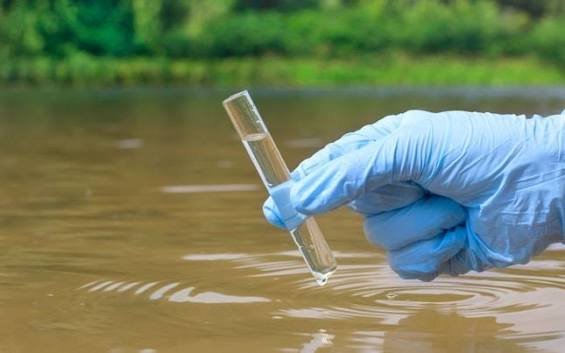
A comprehensive water analysis provides a detailed picture of your household water. It evaluates important characteristics such as hardness, pH balance, dissolved minerals, bacteria, sediment, nitrates, and other factors that influence both water quality and plumbing performance.
Instead of relying on assumptions, testing allows homeowners to make informed decisions based on reliable information.
It’s one of the smartest steps you can take before investing in any treatment equipment.
The Hidden Effects of Poor Water Quality
Water quality affects far more than drinking water alone.
Think about how often water touches your daily life. It fills your coffee maker, washes your clothes, cleans your dishes, runs through your water heater, and flows into nearly every appliance in your home.
When water contains excessive minerals or other unwanted substances, those systems gradually work harder than they should.
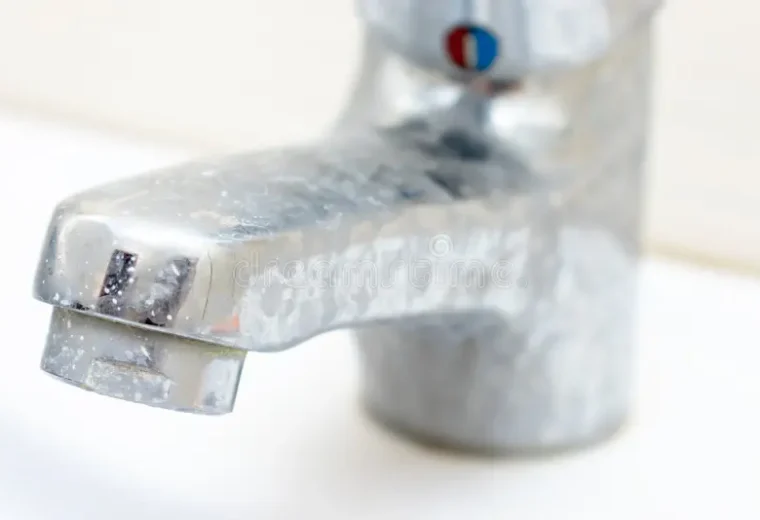
Soap becomes less effective. Plumbing fixtures collect deposits. Water heaters lose efficiency, and appliances often wear out sooner.
These changes happen so gradually that homeowners sometimes consider them normal, even though they’re often preventable.
Why Proper Installation Matters
Choosing quality equipment is only part of the equation.
Even the most advanced filtration system won’t perform as intended if it’s installed incorrectly.
That’s why expert installation plays such an important role in long-term performance. Proper sizing, plumbing connections, pressure adjustments, drainage, and equipment configuration all influence how effectively a treatment system operates.
Professional installation also reduces the likelihood of leaks, pressure problems, and unnecessary maintenance later.
Sometimes the quality of the installation matters just as much as the quality of the equipment itself.
Understanding What Might Be in Your Water
Not every water concern is immediately obvious.
Some homeowners notice unpleasant tastes or odors. Others experience staining, mineral buildup, or cloudy water. Yet many substances remain completely invisible.
Potential water contaminants can include naturally occurring minerals, sediment, bacteria, nitrates, chlorine byproducts, or other substances depending on your water source and local conditions.
That’s why appearance alone isn’t a reliable indicator of water quality.
Water that looks perfectly clear may still deserve professional evaluation.
Testing replaces uncertainty with confidence.
The Best Treatment Is the Right Treatment
Modern water treatment technology offers an impressive range of solutions.
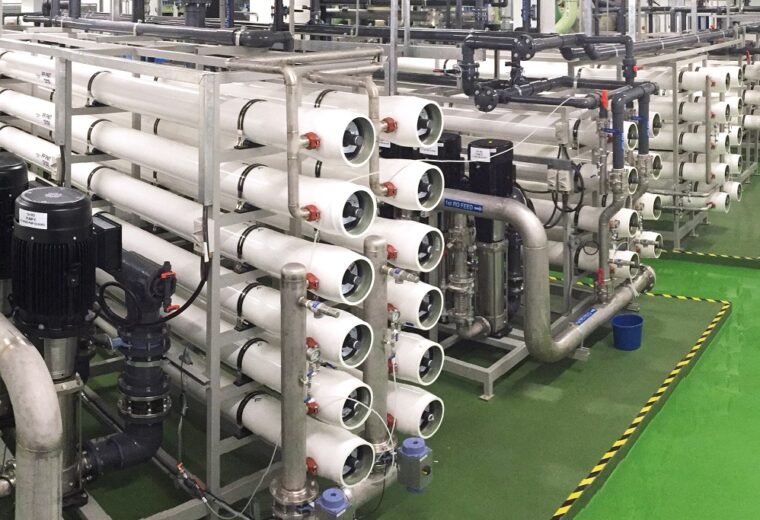
Activated carbon filters improve taste and reduce certain chemicals. Water softeners help minimize mineral buildup. Reverse osmosis systems provide highly purified drinking water, while ultraviolet systems address specific microbial concerns.
No single product solves every problem.
The most effective approach combines the appropriate technologies based on your home’s unique water profile.
Personalized treatment consistently produces better results than generic recommendations.
Better Water Changes Everyday Living
Many homeowners expect drinking water to improve after installing treatment equipment.
What often surprises them are the other benefits.
Laundry feels softer. Glassware looks cleaner. Faucets require less scrubbing. Coffee tastes richer, showers become more enjoyable, and household appliances often perform more efficiently.
These aren’t dramatic changes that happen overnight.
They’re quiet improvements that gradually become part of daily life until you can hardly imagine living without them.
Maintenance Protects Your Investment
Installing a treatment system isn’t the final step.
Like heating systems or automobiles, water treatment equipment benefits from routine care.
Replacing filters on schedule, checking system performance, and arranging periodic servicing help maintain efficiency while extending equipment lifespan.
Fortunately, modern systems are generally designed with simple maintenance requirements that homeowners can easily manage.
A little attention today often prevents expensive repairs tomorrow.
Peace of Mind Has Real Value
One of the greatest benefits of understanding your home’s water isn’t something you can easily measure.
It’s confidence.
Confidence when filling a child’s water bottle before school. Confidence while preparing meals for your family. Confidence that your plumbing, appliances, and household water have been cared for properly.
That reassurance quietly improves everyday life in ways people rarely think about until they experience it themselves.
Clean water isn’t only about convenience.
It’s about trust.
Better Decisions Create Better Water
Improving your home’s water quality doesn’t begin with buying a filter. It begins with asking thoughtful questions.
What does your water actually contain? What problems are affecting your home? Which treatment options address those concerns most effectively?
Starting with reliable testing allows every decision afterward to be based on facts rather than marketing claims or assumptions.
When you combine accurate analysis, professional guidance, quality equipment, and regular maintenance, you create a water treatment system that supports your household for years to come.
At the end of the day, water is one of the few things your family uses dozens of times every single day. Investing the time to understand it—and choosing solutions that truly fit your home—is one of the smartest decisions any homeowner can make. Better water doesn’t simply improve what’s coming out of your tap. It quietly improves the way you live every day.