
There’s something oddly comforting about turning on a tap and knowing everything will work exactly as it should. It’s one of those everyday moments we rarely think about until something goes wrong. A leaking pipe, inconsistent water pressure, strange odors, or unexpected repairs can quickly remind us how much we rely on our plumbing every single day.
The truth is, water infrastructure quietly supports almost every part of our daily routine. Whether it’s in a family home, a commercial building, or an industrial facility, taking care of it isn’t just about preventing breakdowns. It’s about creating a reliable environment where people can focus on living and working without constant interruptions.
Why Water Infrastructure Deserves More Attention
Most people wait until they notice a problem before taking action. It’s understandable—if nothing appears broken, why spend time thinking about it? But hidden wear and tear often begins long before visible symptoms show up.
Pipes age from the inside out. Valves become less efficient. Pressure changes gradually. Sediment builds over time, reducing flow and forcing equipment to work harder than necessary. None of these issues happen overnight, yet together they can shorten the lifespan of an entire plumbing system.
A little attention today often prevents expensive surprises months or even years later.
Small Maintenance Habits Make a Big Difference
Routine inspections aren’t glamorous, but they’re incredibly valuable. Professionals can identify loose fittings, early corrosion, blocked filters, or pressure irregularities before they evolve into major repairs.
This is where reliable maintenance solutions become especially important. Instead of reacting to emergencies, property owners can follow scheduled servicing plans that keep equipment operating efficiently throughout the year.
Preventive maintenance also reduces unnecessary stress on pumps, heaters, filters, and connected appliances. When every component works together properly, the whole system performs better with less effort.
That translates into lower repair costs and fewer inconvenient breakdowns.
Understanding How Modern Water Systems Work
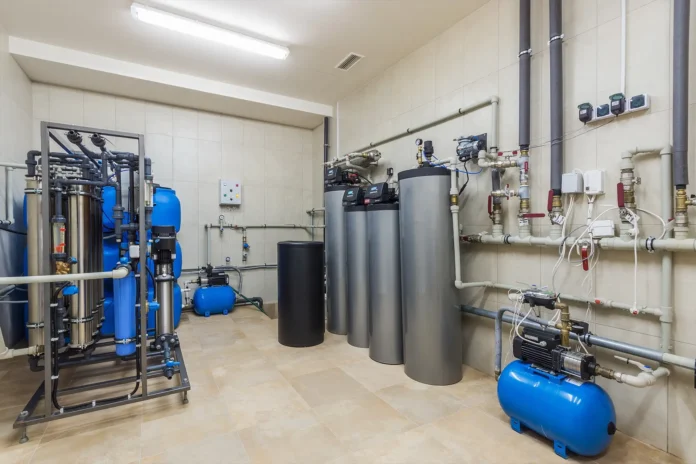
Today’s water systems are much more advanced than many people realize. Residential and commercial properties often combine pressure regulators, filtration units, water softeners, backflow preventers, storage tanks, circulation pumps, and smart monitoring devices into one connected network.
Because everything is linked, a problem in one section can influence the rest of the system.
For example, a partially clogged filter may reduce pressure across multiple fixtures. A failing pressure regulator might place unnecessary strain on plumbing joints. Even something as simple as mineral buildup can gradually reduce overall efficiency.
Understanding these connections helps property owners appreciate why regular servicing matters.
Water Quality Is Just as Important as Water Flow
Performance isn’t only measured by pressure or volume. Water quality plays an equally important role.
Hard water leaves mineral deposits inside pipes and appliances. Sediment may affect fixtures over time. Certain contaminants can impact taste, odor, and even equipment longevity.
Routine testing helps identify changes before they become serious concerns. Depending on local conditions, filtration or treatment upgrades may improve both water quality and system performance.
Clean water doesn’t simply feel better—it often protects the investment you’ve already made in your plumbing infrastructure.
The Financial Benefits of Preventive Care
Many maintenance expenses seem optional until compared with emergency repair bills.
Replacing a damaged pipe hidden behind finished walls can involve demolition, restoration, labor costs, and water damage repairs. A neglected leak may increase utility bills for months before anyone notices.
Preventive servicing generally costs far less than emergency reconstruction.
Businesses understand this well because unexpected downtime affects customers, productivity, and operating costs. Homeowners benefit in much the same way by avoiding sudden disruptions that interrupt everyday life.
Viewed over several years, regular inspections frequently pay for themselves.
Technology Is Making Maintenance Easier
The plumbing industry has changed dramatically during the past decade.
Smart leak detectors can identify moisture long before visible damage appears. Pressure monitoring devices provide continuous performance information. Automatic shutoff valves reduce water loss during emergencies. Digital monitoring even allows technicians to detect unusual system behavior remotely in some situations.
These innovations don’t replace professional expertise, but they certainly make ongoing maintenance more accurate and efficient.
Instead of guessing, property owners can make informed decisions based on actual performance data.
Choosing the Right Service Partner
Not every maintenance provider offers the same level of experience or long-term support.
A dependable technician doesn’t simply repair immediate problems. They explain what’s happening, recommend practical improvements, and help prioritize future maintenance based on your property’s specific needs.
Transparency matters too.
Clear communication, honest pricing, detailed inspections, and documented service history all contribute to a stronger working relationship. Over time, having a trusted professional familiar with your plumbing can significantly reduce future troubleshooting.
It’s a partnership rather than a one-time repair visit.
Seasonal Maintenance Shouldn’t Be Overlooked
Different seasons create different challenges for plumbing systems.
Winter temperatures may increase the risk of frozen pipes in colder climates. Heavy rainfall can place additional pressure on drainage systems. Summer irrigation increases water demand, while seasonal temperature changes may affect pressure fluctuations.
Scheduling inspections before these seasonal shifts helps prepare systems for changing conditions.
Even relatively small adjustments, like checking insulation, flushing water heaters, cleaning filters, or inspecting outdoor fixtures, contribute to better year-round performance.
Consistency usually beats waiting for problems to appear.
Long-Term Reliability Brings Real Confidence
Perhaps the biggest advantage of proactive care isn’t something you can easily measure.
Knowing your plumbing has been professionally maintained creates genuine peace of mind . You worry less about unexpected leaks during vacations, surprise repair bills, or equipment failures at inconvenient times.
That confidence becomes especially valuable for families, business owners, landlords, and facility managers responsible for multiple people or properties.
Reliable infrastructure quietly supports everything else we do.
And maybe that’s exactly how it should be.
A Smarter Way to Protect Your Investment
Every building depends on dependable plumbing, yet it’s surprisingly easy to overlook until something stops working.
Regular inspections, thoughtful upgrades, quality components, and preventive servicing all contribute to longer equipment life, improved efficiency, and lower operating costs. More importantly, they reduce the stress that comes with unexpected failures.
Instead of treating maintenance as another expense, it’s worth seeing it as an investment in reliability.
When water continues flowing exactly as expected—day after day, year after year—you rarely notice it. But that’s often the best sign that your system is being cared for properly. Quiet reliability isn’t exciting, perhaps, but it’s incredibly valuable, and it’s one of those things that keeps homes and businesses running without anyone having to think twice.