
There’s a moment most people don’t talk about when it comes to surgery. It’s not the procedure itself, or even the recovery—it’s the moment you realise things aren’t quite as intimidating as you expected. The lights aren’t harsher, the conversations aren’t rushed, and somehow, everything feels a little more… controlled.
That feeling isn’t accidental. It’s the result of years of refinement in how surgery is performed and, more importantly, how it’s experienced. Technology has played a big role in that shift—but not in the loud, dramatic way people imagine. It’s more subtle than that. Almost invisible at times.
A Different Kind of Precision
If you step into a modern operating room today (or even just hear about it from someone who has), you’ll notice how much emphasis is placed on precision. Not just accuracy, but consistency. Repeatability.
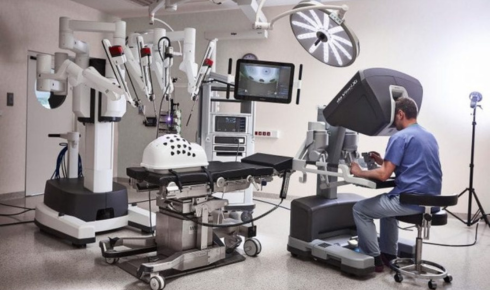
That’s where a robotic surgical system enters the picture. Despite the name, it’s not about robots replacing surgeons. It’s about enhancing their capabilities. These systems translate a surgeon’s hand movements into smaller, more refined actions—steady, controlled, and incredibly precise.
Think of it like this: if traditional surgery is writing with a pen, robotic-assisted surgery is like writing with a fine-tipped instrument that never shakes. The difference might seem small, but in delicate procedures, it can be significant.
Patients don’t usually see this technology in action, but they feel its effects. Less strain on the body, fewer complications, and often, a smoother recovery path. It’s not magic—it’s just better control.
The Name People Recognize
Every now and then, a specific technology becomes well-known beyond medical circles. It enters conversations, headlines, even casual discussions. One example of that is da vinci surgery, a term many people have heard, even if they’re not entirely sure what it involves.
At its core, it’s a type of robotic-assisted surgery that allows for greater precision and flexibility during procedures. Surgeons operate from a console, guiding instruments that move with incredible accuracy inside the body.
What makes it stand out isn’t just the technology itself—it’s how it’s used. The goal is always the same: to make procedures safer, less invasive, and easier for patients to recover from.
And while the name might sound high-tech, the experience often feels surprisingly grounded. Patients aren’t overwhelmed by the idea of machines—they’re reassured by the outcomes.
Technology That Doesn’t Steal the Spotlight
There’s a tendency to think of innovation as something flashy. Something that demands attention. But in healthcare, the most impactful changes are often the ones you barely notice.
That’s the role of modern surgical technology. It works quietly in the background, supporting decisions, improving visibility, and refining techniques. High-definition imaging, advanced instruments, and real-time data all contribute to a more controlled environment.
For surgeons, it means better insight and greater confidence. For patients, it translates into something simpler—better outcomes and fewer surprises.
And perhaps that’s the real goal. Not to impress, but to improve.
The Experience Beyond the Equipment
For all the talk of systems and tools, surgery is still a deeply human experience. Technology might shape the procedure, but people shape the experience.
Patients remember the conversations. The way a doctor explains things without rushing. The nurse who checks in one more time before you go in. The small gestures that make a clinical setting feel a little less cold.
These moments matter. They build trust, reduce anxiety, and create a sense of connection that no machine can replicate.
Because at the end of the day, surgery isn’t just about what happens on the table—it’s about how you’re guided through the entire process.
Recovery Feels Different Now
One of the most noticeable changes in modern surgery is what happens afterward.
Recovery used to feel like a long road. Weeks of rest, limited movement, a gradual return to normal life. And while healing still takes time, the journey often feels more manageable now.
Patients are given clearer expectations. Pain is better managed. Follow-up care is more structured. There’s a sense that you’re not navigating it alone.
And that sense of support makes a difference. It turns recovery from something uncertain into something you can plan for.
Making Sense of It All
If you’re considering surgery—or even just curious about how it works today—it’s easy to feel overwhelmed by the terminology. Systems, techniques, technologies… it can feel like a lot.
But the core idea is actually simple: everything is moving toward making surgery safer, more precise, and easier to recover from.
That doesn’t mean every procedure is easy. It doesn’t remove the seriousness of the decision. But it does mean you’re entering a system that’s more refined than ever before.
A Quiet Kind of Progress
What’s fascinating about all of this is how quietly it’s happened. There’s no single moment where surgery transformed overnight. Instead, it’s been a steady evolution—small improvements, better tools, deeper understanding.
And those small changes have added up.
Surgery still requires trust. It still demands preparation. But it also offers something it didn’t always have—a sense of reassurance, grounded in both technology and care.
And for anyone standing at that decision point, that reassurance can make all the difference.