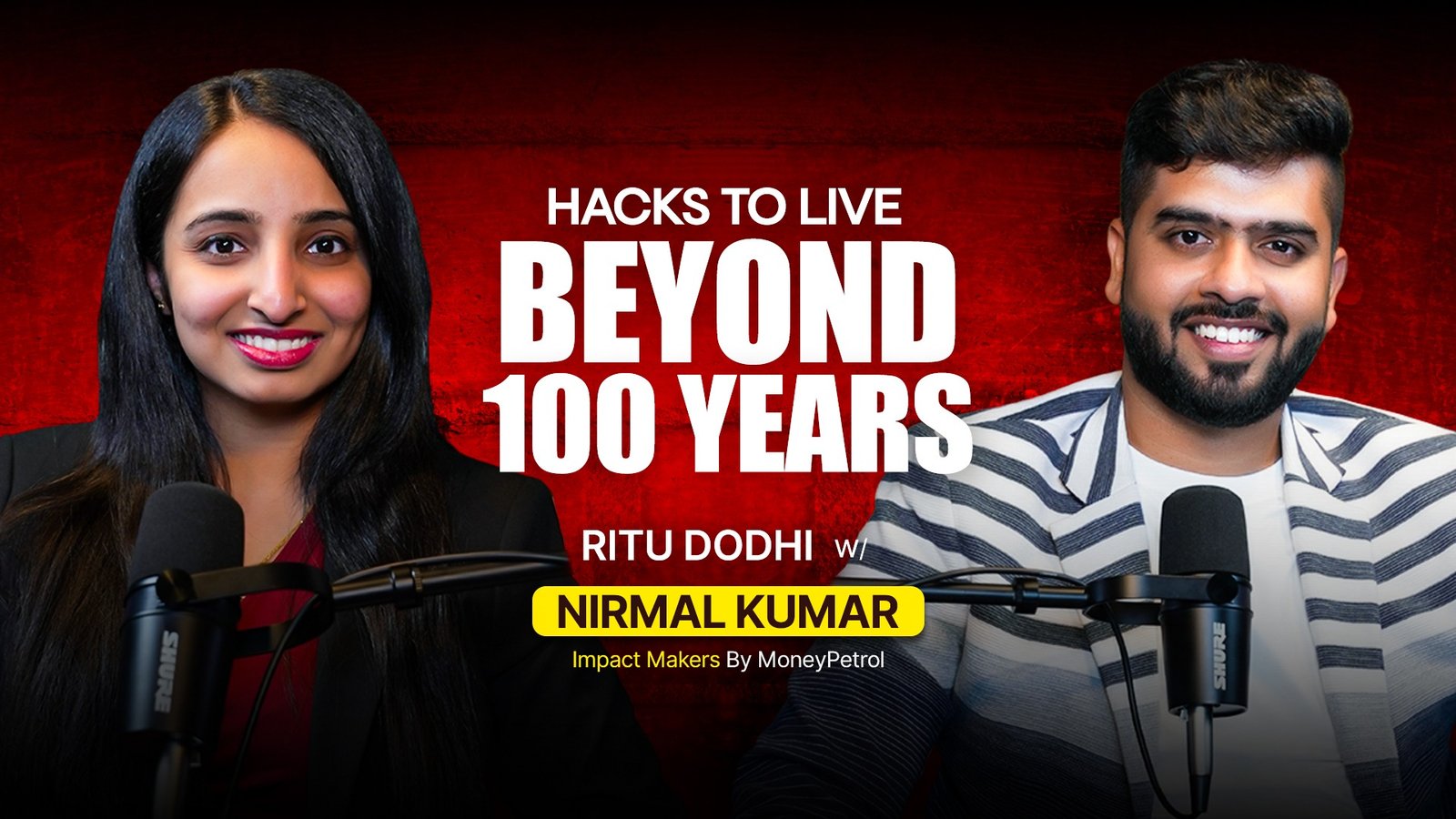
The Nirmal Kumar Podcast explores how innovation, science, and human well-being are reshaping the future of the global wellness economy. As the wellness industry continues expanding into a multi-trillion-dollar market, entrepreneurs and consumers alike are paying closer attention to solutions backed by research, data, and long-term health impact. In a world filled with trends and quick-fix promises, science-driven wellness businesses are emerging as trusted leaders in a rapidly evolving industry.
The Rise of the Global Wellness Economy
The wellness industry has transformed dramatically over the past decade. What was once associated mainly with fitness centers and beauty products has evolved into a broad ecosystem that includes mental health, nutrition, preventive healthcare, biotechnology, personalized wellness, and holistic living. The market’s estimated value of $6.8 trillion reflects a significant shift in how people prioritize their physical and emotional well-being.
Consumers today are more informed than ever before. They actively seek products and services supported by scientific evidence rather than marketing hype alone. This shift has created new opportunities for entrepreneurs who are committed to building wellness brands rooted in credibility and measurable results.
Nirmal Kumar has consistently emphasized the importance of combining innovation with responsibility. In an industry where trust plays a crucial role, businesses that prioritize transparency and scientific validation are gaining long-term consumer confidence.
Science as the Foundation of Modern Wellness
The modern wellness consumer wants more than inspirational messaging or attractive packaging. People are increasingly asking deeper questions about effectiveness, safety, and sustainability. This demand has encouraged companies to invest heavily in scientific research, clinical studies, and data-driven product development.
Science-driven wellness businesses focus on understanding the real causes of health challenges instead of simply treating symptoms superficially. Whether it involves nutrition, sleep optimization, stress management, or preventive care, the goal is to provide solutions that create meaningful long-term improvements.
Nirmal Kumar often discusses how scientific integrity can become a powerful competitive advantage in the wellness market. Businesses that rely on evidence-based practices are better positioned to build credibility, foster customer loyalty, and adapt to changing consumer expectations.
The integration of technology has also accelerated this transformation. Wearable health devices, personalized health tracking, and AI-driven wellness platforms are helping individuals make more informed decisions about their daily habits and lifestyle choices.
Building Trust in a Competitive Industry
One of the biggest challenges in the wellness industry is consumer skepticism. With countless products and trends competing for attention, audiences are becoming more cautious about where they invest their time and money. Trust can no longer be built through branding alone.
Transparency, consistency, and authenticity are now essential components of successful wellness businesses. Consumers appreciate brands that openly communicate their research process, ingredient sourcing, and scientific backing. Honest communication helps create stronger emotional connections with audiences who are looking for reliability rather than exaggerated promises.
Nirmal Kumar highlights that wellness entrepreneurship requires a balance between innovation and ethics. Fast growth may attract attention, but long-term success depends on maintaining consumer trust and delivering real value. Businesses that prioritize integrity are more likely to thrive in an increasingly informed and competitive market.
The Human Side of Wellness Entrepreneurship
While science and technology play a critical role in modern wellness businesses, the human element remains equally important. Wellness is deeply personal, and people are drawn toward brands that understand emotional well-being alongside physical health.
Modern entrepreneurs are beginning to recognize that wellness is not only about products but also about creating experiences that improve quality of life. Community engagement, emotional support, and educational content have become valuable parts of successful wellness ecosystems.
Nirmal Kumar frequently speaks about the importance of empathy and purpose in entrepreneurship. Leaders who genuinely understand the challenges their audiences face are better equipped to create impactful solutions. This people-centered approach helps businesses stand out in a crowded industry where consumers value authenticity and care.
Innovation Is Driving the Future of Wellness
The wellness industry continues to evolve through innovation in biotechnology, nutrition science, mental health support, and digital healthcare solutions. Personalized wellness is becoming one of the most influential trends shaping the future of the market.
Consumers no longer want one-size-fits-all recommendations. They are seeking customized experiences tailored to their individual health needs, genetics, and lifestyles. This shift has encouraged companies to develop smarter and more adaptive wellness solutions supported by scientific analysis and predictive technologies.
Nirmal Kumar recognizes that innovation should always serve a meaningful purpose rather than simply following trends. The most successful wellness businesses are those that solve real problems while remaining accessible, ethical, and evidence-based.
As technology continues advancing, wellness entrepreneurs will have even greater opportunities to improve preventive healthcare, promote healthier lifestyles, and expand access to personalized well-being solutions across global markets.
Leadership in a Purpose-Driven Industry
Leadership within the wellness industry requires more than business expertise. It demands responsibility, vision, and the ability to inspire trust among increasingly conscious consumers. Leaders must balance profitability with social impact while navigating a market that is constantly evolving.
Nirmal Kumar often highlights the importance of adaptability and continuous learning. The wellness industry changes rapidly due to new scientific discoveries, consumer behavior shifts, and technological advancements. Businesses that remain flexible and committed to innovation are more likely to succeed over the long term.
Purpose-driven leadership also plays a major role in shaping company culture and customer relationships. Teams working within wellness businesses are often motivated by the opportunity to create positive change in people’s lives. This sense of mission can strengthen both internal collaboration and external brand loyalty.
The Future of Wellness and Global Conversations
As the wellness economy continues expanding, science-driven entrepreneurship will likely become even more influential in shaping consumer choices and healthcare innovation. Audiences are increasingly drawn toward businesses that combine research, transparency, and meaningful human connection.
Nirmal Kumar represents a growing generation of wellness leaders focused on building sustainable businesses with long-term impact rather than short-lived popularity. The future of the industry will belong to organizations capable of blending scientific credibility with emotional understanding and ethical leadership.
These conversations are gaining global attention through digital media platforms where entrepreneurs, wellness experts, and innovators share valuable perspectives on health and business transformation. The rise of insightful Dubai podcasts has further contributed to these discussions by creating spaces for authentic dialogue around leadership, innovation, and the future of wellness in a rapidly changing world.