You don’t expect water to have a personality. It’s supposed to be neutral, almost invisible — something you use without thinking. But every now and then, you turn on the tap and something feels… off.
Not dangerous, not alarming. Just noticeable.
For many homeowners, that moment comes with a smell. Sharp, lingering, and oddly familiar — though you wish it weren’t. And once you notice it, it’s hard to pretend it’s not there.
When Water Smells Like Something It Shouldn’t
The first reaction is usually confusion. You might check the sink, wonder if something’s stuck in the drain, or blame the pipes. But when the smell follows you — from the kitchen to the bathroom, from cold water to hot — it becomes clear the issue is in the water itself.
Often, this is linked to sulfur hydrogen sulfide, a naturally occurring gas that can find its way into water supplies, especially in areas with groundwater or wells. It doesn’t always show up consistently, which makes it even more puzzling. One day it’s barely there, the next it’s impossible to ignore.
And while it’s usually not harmful at low levels, it definitely affects how you experience your water.
The Smell You Can’t Ignore
Let’s call it what it is — the rotten egg smell. It’s unmistakable. Sharp, sulfur-like, and stubbornly persistent.
You notice it when you run the tap. It lingers in the steam of a hot shower. Sometimes it even clings to dishes or laundry, making everything feel just a little less clean than it should.
It’s not just unpleasant — it changes how you interact with water. You hesitate before filling a glass. You run the tap longer than necessary, hoping it’ll fade. It becomes part of your routine in a way you never asked for.
What’s Actually Causing It?
Water can carry a variety of substances, many of them harmless in small amounts but noticeable when it comes to smell or taste. In the case of sulfur odors, the issue often lies with odor causing compounds that develop naturally under certain conditions.
These compounds can form in groundwater, or even within plumbing systems if bacteria are present. In some cases, the smell becomes more noticeable when water is heated, which is why it often seems stronger during showers or when using hot water in the kitchen.
It’s a bit unpredictable, which can make it frustrating to deal with.
It’s Not Just About the Smell
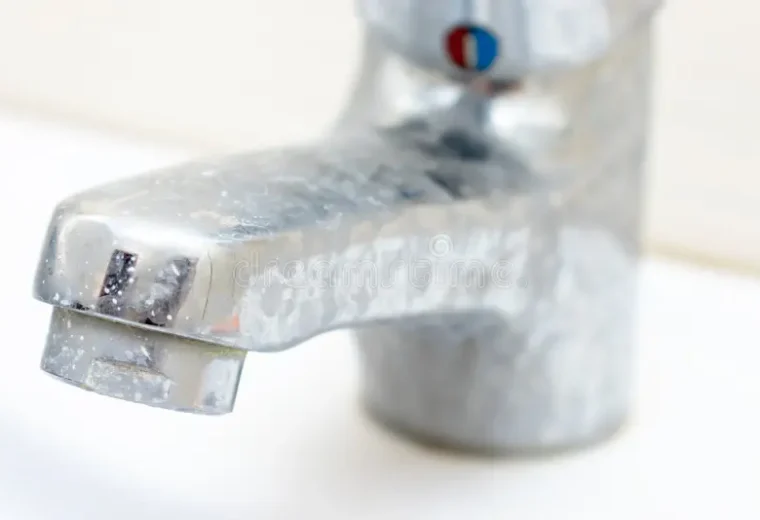
While the odor is usually the most obvious issue, it’s not the only one. Sulfur-related problems can sometimes lead to other inconveniences — staining on fixtures, buildup in pipes, or even a metallic taste that lingers in drinking water.
Again, nothing dramatic. Just enough to make everyday tasks feel slightly less pleasant.
And over time, those small annoyances add up.
Finding a Way to Fix It
The good news is that sulfur odors are manageable. The key is understanding what’s causing them in your specific situation.
Water testing is often the first step. It helps identify the presence and concentration of sulfur compounds, along with any other elements that might be contributing to the issue. From there, solutions can be tailored accordingly.
Some systems focus on aeration, which helps release trapped gases. Others use filtration methods designed to target sulfur and related compounds. The approach varies, but the goal is the same — to restore balance and remove the source of the smell.
The Difference It Makes
What’s interesting is how quickly things feel normal again once the issue is addressed.
You turn on the tap and… nothing. No smell, no hesitation. Just water, the way it’s supposed to be.
Showers feel cleaner. Dishes come out fresh. Even the air in your home feels lighter when hot water runs without that lingering scent.
It’s not a dramatic transformation, but it’s a meaningful one.
Why It’s Worth Paying Attention
It’s easy to ignore water issues, especially when they don’t seem urgent. But when something affects your daily routine — even in a small way — it’s worth exploring.
Not with urgency or stress, just with curiosity.
Because once you understand what’s happening, the path to fixing it becomes much clearer. And often, simpler than you might expect.
Closing Thoughts
That strange smell in your water? It’s not something you have to live with.
It’s a signal — a small one, but an important one — that something in your water could use a little attention. And with the right approach, it’s something that can be resolved, quietly and effectively.
In the end, water should feel effortless. Clean, neutral, easy to trust. And when it does, you stop thinking about it altogether.
Which, really, is how it should be.