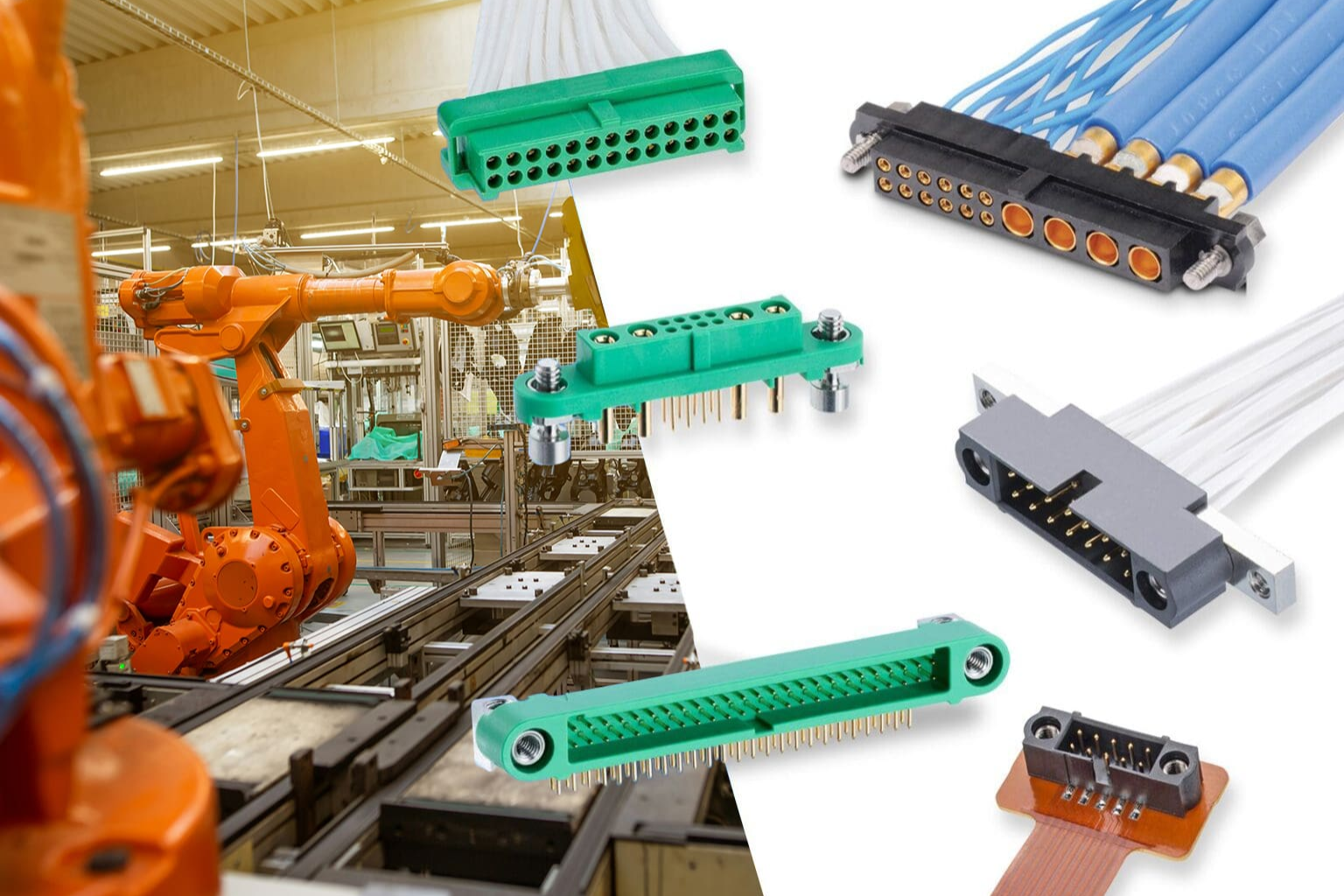
Modern industrial facilities rarely operate using equipment from a single manufacturer. Most automation environments combine machinery, sensors, robotics, PLC systems, and communication networks supplied by multiple vendors.
While this approach improves operational flexibility, it also creates significant integration challenges. One of the most critical yet frequently overlooked issues is connector compatibility.
Even highly advanced automation systems can experience communication instability, downtime, and maintenance complications when connector infrastructure is not properly standardized.
Manufacturers such as Allied Connectors support industrial operations with connector solutions engineered for reliable integration across complex multi-vendor environments.
The Growing Complexity of Industrial Automation
Industrial automation systems continue to evolve rapidly. Facilities now rely on interconnected sensor networks, intelligent robotics, digital monitoring systems, and high-speed communication infrastructure.
These systems must exchange power and data continuously across equipment supplied by different OEM manufacturers.
Without compatible industrial connectors and power and signal connectors, communication reliability becomes difficult to maintain.
Why Connector Compatibility Directly Impacts Performance
Connector compatibility affects much more than simple physical fitment. Differences in pin configuration, shielding design, voltage capacity, and communication protocols can disrupt system performance.
Incompatible connectors often lead to unstable sensor connection performance, signal loss, and electromagnetic interference.
These issues become especially problematic in high-speed automation systems where precise communication timing is essential.
Circular Connectors and Standardized Integration
Circular connectors are widely used in multi-vendor automation environments because they support standardized configurations and reliable mechanical stability.
Their compact structure, secure locking mechanisms, and high pin density allow integration across a broad range of industrial systems.
Standardized circular multi pin connectors also simplify maintenance and replacement because technicians can quickly identify compatible interfaces without extensive rewiring.
Maintenance Challenges Caused by Incompatible Connectors
Facilities using mismatched connector systems often experience increased maintenance complexity.
Technicians may require custom adapters, additional wiring modifications, or temporary workarounds simply to integrate replacement equipment. These adjustments increase labour time and create additional failure points within the electrical infrastructure.
Using compatible industrial connectors helps simplify troubleshooting, reduce maintenance costs, and improve long-term operational consistency.
The Importance of Electrical and Environmental Alignment
Compatibility also involves matching electrical performance and environmental protection standards.
Power and signal connectors used across multi-vendor systems must maintain consistent shielding, grounding, and sealing performance. Otherwise, electrical interference and environmental exposure can compromise communication stability.
Ruggedized connectors designed for harsh industrial environments help maintain stable operation across integrated automation networks.
Supporting Scalable Industrial Infrastructure
As facilities expand, scalable connector infrastructure becomes increasingly important. Standardized connector systems allow manufacturers to integrate new machinery and communication devices more efficiently.
Companies such as Allied Connectors help support this scalability by providing industrial connectors, circular connectors, and power and signal connectors designed for long-term compatibility and operational flexibility.
Strong connector compatibility strategies help facilities reduce downtime, improve system integration, and support future automation growth.
Building More Reliable Multi-Vendor Automation Systems
Modern manufacturing environments depend heavily on seamless communication between equipment supplied by multiple vendors.
Reliable industrial connectors and standardized connector infrastructure help maintain stable electrical performance, simplify maintenance, and support long-term automation reliability.
By prioritizing connector compatibility during the design stage, facilities can build more resilient and efficient industrial systems capable of supporting future operational expansion.