
My neighbor Sandeep once spent forty minutes arguing with a society guard in Dwarka over whether a moving truck counted as “commercial” or “domestic.” The truck sat at the gate. The sofa sat in the truck. Sandeep sat on a plastic stool, eating a samosa he’d bought out of sheer frustration. Eventually someone made a phone call, the barrier lifted, and everyone pretended it had never been a problem.
That’s Delhi, though. Big, loud, wonderfully chaotic, and not especially interested in your schedule. If you’re planning a move here, in the NCR or from one colony to another, a little foresight goes a long way. I’ve done three moves in this city and helped out on a handful more, so consider this a few lessons collected the slow way.
Pick the date before you pick anyone
Most people do this backwards. They start calling movers and then figure out the calendar. Don’t. Delhi’s extremes matter more than you’d think. May and June can be brutal, with loaders wilting by eleven in the morning. July to September brings monsoon surprises, and anyone who has watched Minto Bridge fill up with water knows what I’m talking about. The comfortable window is roughly October to March, though that’s also when everyone else wants to move, so book early.
Weekdays beat weekends. Month-end is chaos because leases turn over. And an early start, say seven or eight, saves you from the worst of the traffic around Ring Road, NH-48 and the Noida-side crossings. Also, call your RWA or society office before locking anything in. Some want a deposit, some want a letter, some only allow goods vehicles in narrow time slots, and a few have rules nobody can quite explain. Better to hear it now.
Who gets to touch your furniture
Search for the Best Packers and Movers in Delhi and you’ll find a hundred sites claiming to be exactly that. Every one of them promises “zero damage.” Not one of them can prove it from a landing page. So I’d skip the slogans and look at behavior.
Ask for a survey. In person is best, a long video call is acceptable. Show them everything: the loft, the balcony storage, the heavy almirah, the washing machine, the bed with the stubborn hydraulic storage. A quote given without seeing any of that is a guess wearing a tie. Then collect three quotes and compare what’s inside, not just the bottom line. Is packing material included? Loading, unloading, furniture dismantling? A charge for stairs when there’s no lift? Transit insurance? The cheapest number often wins until the bill shows up with “additional charges” stacked underneath it.
And keep it all written down. WhatsApp is fine. Screenshots are fine. Verbal promises evaporate.
Reading reviews without being fooled
I treat online reviews like street food: some are great, some will make you regret everything. Vague praise (“Very good service!”) tells you nothing. Detailed, slightly imperfect ones are far more trustworthy. “Team was thirty minutes late, packed the TV properly, final bill matched the quote” sounds like a real person describing a real day.
Ask around, too. A friend, a colleague, the uncle who somehow knows everyone. First-hand stories beat any ad. And when you do talk to a company, pay attention to how they handle your awkward questions. If they get defensive before you’ve paid a rupee, that’s a preview of the mood later.
Local experience is underrated
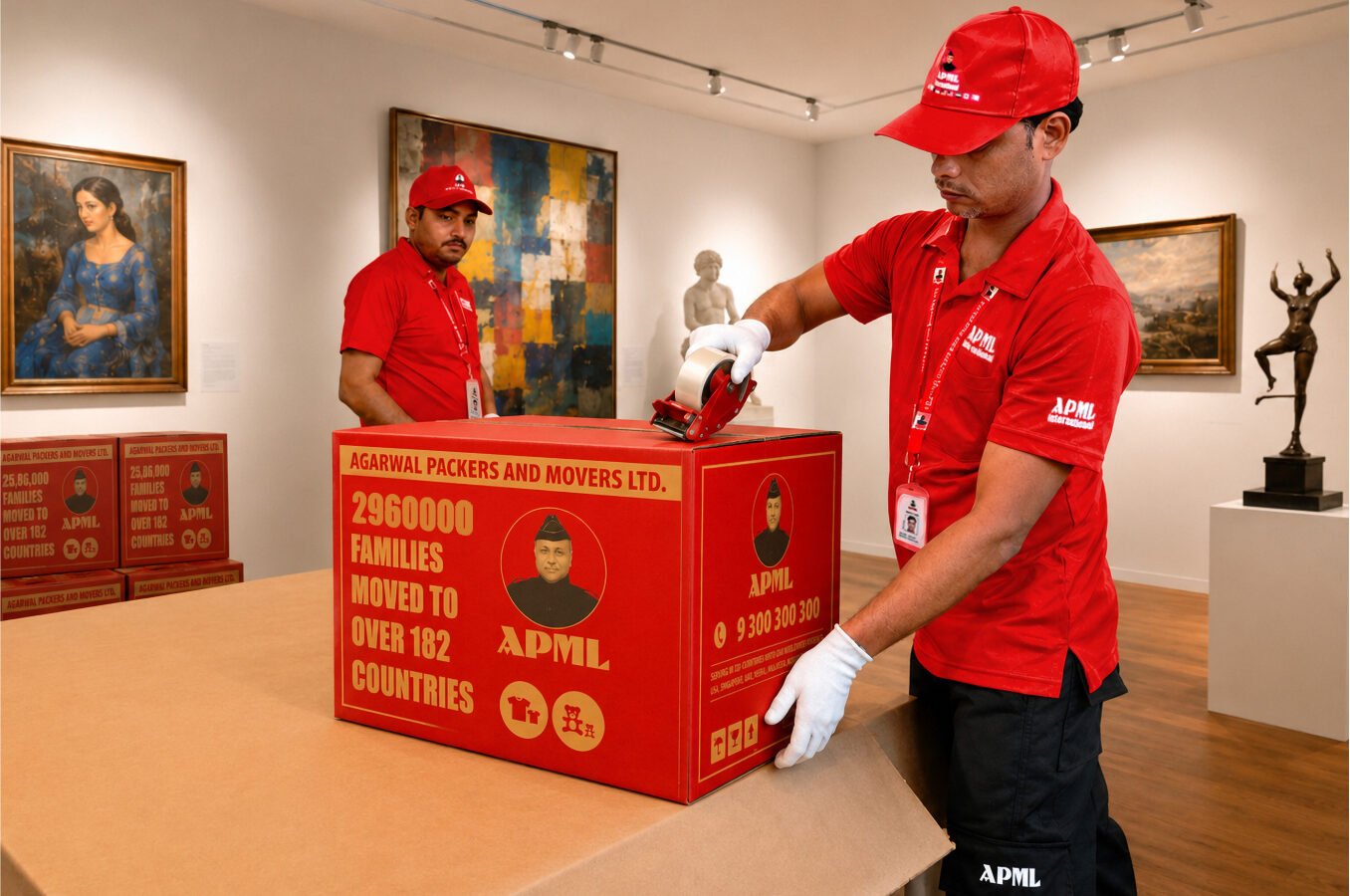
Plenty of Movers and Packers Delhi outfits look identical online, same orange trucks, same stock photos of smiling men holding boxes. What separates them is whether they actually know the city. Do they understand that some lanes in Old Delhi or parts of Lajpat Nagar can’t take a big truck? Do they know which colonies restrict commercial vehicles during the day? Have they dealt with societies in Gurgaon or Noida that demand gate passes, ID copies and refundable deposits?
These sound like minor things. They aren’t. They’re the difference between a six-hour move and a twelve-hour one. Ask directly, and listen to whether the answer comes with stories or with sales talk.
What to pack yourself
I’ve gone wrong in both directions. Once I packed everything myself and spent nine evenings and one aching back on it. Another time I let the crew handle it all, and my passport turned up in a carton marked “kitchen misc.” Never again.
Now I split it. Professionals handle the heavy, awkward and fragile: TVs, mirrors, crockery, the glass dining table, anything that needs foam and corner guards. I handle documents, jewelry, medicines, laptops, chargers, cash and the kids’ school files, all in a bag that stays with me, not on the truck.
Photograph your furniture and electronics before anything gets wrapped. It takes five minutes. If something arrives scratched, you’ll have proof instead of a shouting match.
Carry less, stress less
You’re paying for volume, one way or another. So before the survey, walk through your place with a slightly colder heart. Clothes you haven’t worn since 2021, tangled cables for gadgets that no longer exist, a chair with one suspicious leg. Donate, sell, or toss. It’s oddly satisfying, and it makes the move cheaper and the unpacking lighter.
The day, and the hush after
Be there. Even with a reliable crew, somebody has to say which box goes in which room, check the inventory, and answer the thousand small questions. Keep water around, because Delhi heat doesn’t negotiate. Tip fairly if they’ve worked hard. Do one final lap of the old place, every cupboard, every balcony corner, behind every door. Someone always forgets something. I once left behind a whole shelf of pickle jars. I still think about them.
When the truck finally leaves and the new flat fills with unfamiliar cartons, there’s a strange hush. Tired, proud, a bit sad, all at once. That’s normal. Don’t try to unpack tonight. Make the bed, find the kettle, order something hot. Tomorrow can handle the kitchen.
Moving will never be perfectly smooth, and I won’t insult you by pretending it can be. Something will arrive late, something will land in the wrong room, and a neighbor will complain about the lift. But with some planning, honest questions and people who actually listen, it becomes something you survive rather than something that swallows you.
Sandeep, by the way, retells the guard story at every family function. The samosa has apparently gotten bigger over time.