Modern industrial equipment often operates under demanding conditions where components must handle mechanical stress, moisture, chemicals, and continuous operation. Choosing the right material for rotating and fastening components can improve reliability and reduce maintenance concerns. Duplex stainless steel is valued for its combination of strength and corrosion resistance, making it suitable for many industrial applications. Components such as shafting, shafts, and jam nuts can benefit from the properties offered by duplex grades.
Understanding Duplex Shafting
Duplex Shafting is commonly selected for applications that require strength, durability, and resistance to corrosive environments. Duplex stainless steel contains both austenitic and ferritic phases, creating a balanced material structure with useful mechanical and corrosion-resistant properties.
Shafting may be supplied in different diameters, lengths, finishes, and specifications depending on the intended application. Proper dimensional accuracy is particularly important because shafts often need to work with bearings, couplings, gears, seals, and other mechanical components. A well-manufactured shaft can support smooth operation and consistent equipment performance.
Key Benefits of Duplex Shafts
Duplex Shafts are used in equipment where components may experience mechanical loads while also being exposed to challenging environmental conditions. Their strength can help them withstand demanding operating stresses, while their corrosion resistance can provide advantages in humid, marine, chemical, and industrial environments.
The correct duplex grade should always be selected according to the application. Factors such as operating temperature, rotational speed, load, chemical exposure, surface finish, and dimensional requirements can influence the performance of a shaft. Proper engineering and material selection are essential for achieving the desired service life.
Industrial Applications of Duplex Shafts
Duplex shafts can be used across several industries. Marine equipment, chemical processing machinery, oil and gas systems, pumps, valves, water treatment equipment, and industrial manufacturing machinery may require corrosion-resistant shaft components.
Marine applications can be particularly demanding because components may encounter saltwater and moisture for extended periods. Similarly, equipment used in chemical processing environments may need materials capable of handling specific corrosive substances. Duplex stainless steel can be considered when both mechanical strength and corrosion resistance are important.
Role of Jam Nuts
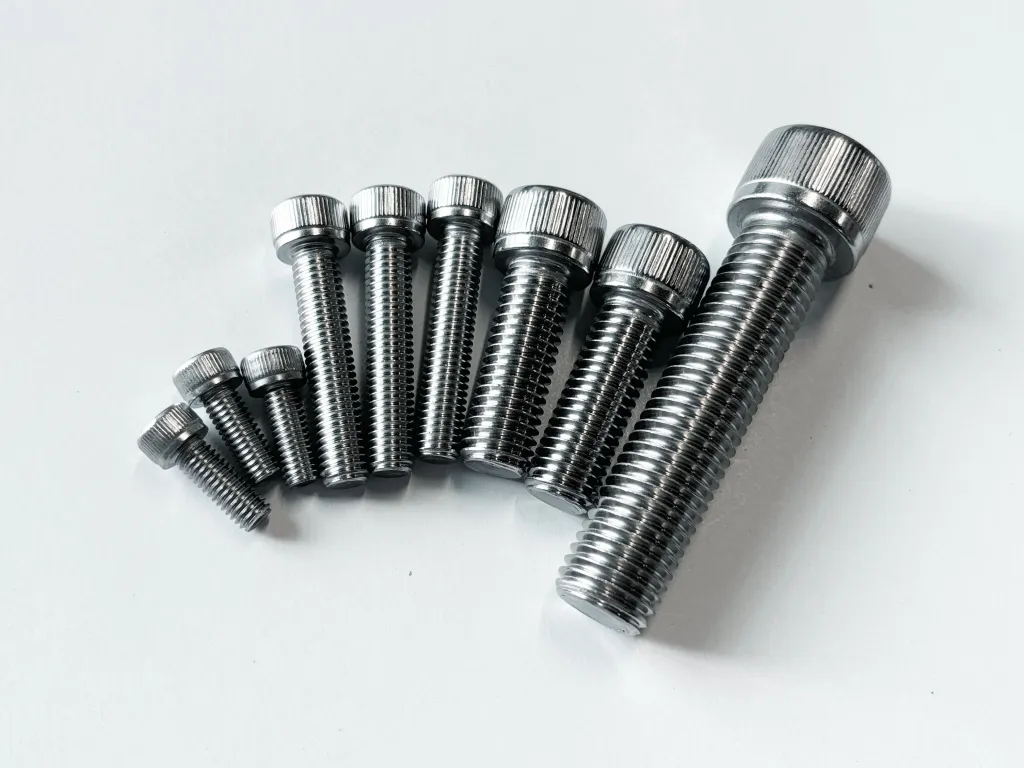
Duplex Jam Nuts are fastening components designed to help secure threaded connections in mechanical assemblies. Their relatively thin profile makes them useful in situations where available space is limited or where a secondary locking arrangement is required.
Jam nuts can be used with compatible threaded components to help maintain the desired position of an assembly. Correct thread compatibility and tightening procedures are important to ensure that the connection performs as intended. Using a nut manufactured from a compatible duplex grade can also help maintain corrosion resistance throughout the fastening system.
Choosing the Right Duplex Components
Selecting duplex shafting, shafts, and nuts requires careful attention to technical specifications. Buyers should consider dimensions, material grade, mechanical requirements, surface finish, thread specifications, and operating environment.
For shafting applications, diameter and straightness are especially important. Shafts that operate at high speeds may also require precise balancing and suitable surface characteristics. For jam nuts, thread size, thickness, and compatibility with the mating component should be reviewed before purchase.
Working with an experienced manufacturer or supplier can make product selection easier. Material certificates, inspection reports, dimensional documentation, and quality assurance procedures can provide useful confirmation that products meet project requirements.
Maintenance and Performance
Regular inspection can help identify potential problems before they affect equipment operation. Shafts should be checked for unusual wear, surface damage, corrosion, or alignment issues. Threaded connections should also be inspected for loosening or damage.
Proper lubrication, alignment, installation, and maintenance procedures can further support component performance. The maintenance schedule should be based on the equipment design, operating conditions, and manufacturer’s recommendations.
Conclusion
Duplex stainless steel provides a practical material option for demanding industrial components that require both strength and corrosion resistance. Duplex shafting and shafts can support reliable mechanical operation, while duplex jam nuts can help secure threaded assemblies. By selecting the correct specifications and following appropriate installation and maintenance practices, businesses can achieve dependable performance and longer service life from their industrial components.