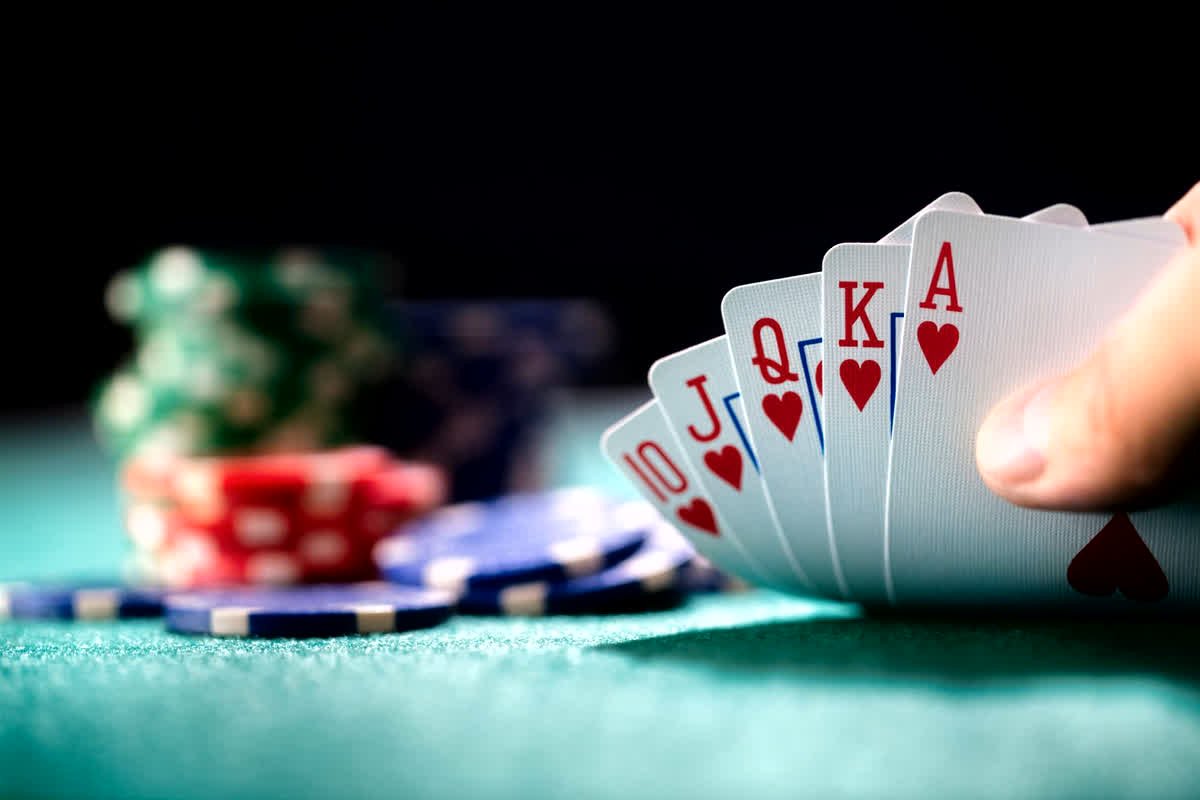
There are some words that seem to carry an entire slice of popular culture with them. “Matka” is one of those words. For decades, it has appeared in conversations, newspapers, films, local stories, and now, increasingly, online searches. What began as a traditional form of number-based betting gradually developed into a wider gambling culture, attracting people who were curious about numbers, results, luck, and the possibility of winning money.
But there’s another side to the story. Behind the excitement is an activity that involves genuine financial risk. Understanding where matka came from, why people remain interested in it, and how gambling psychology works can offer a much more useful perspective than simply chasing the next number.
How Matka Became Part of Popular Culture
The history of matka stretches back several decades. In its traditional form, participants relied on numbers drawn through a physical process. The name itself is associated with the container used during the earlier versions of the game.
Over time, different markets and variations emerged. The activity developed its own terminology, routines, result systems, and communities. It became familiar to many people even if they had never personally participated.
Today, the phrase satta matka is frequently encountered online in connection with results, charts, historical information, and discussions about different number-based games. The internet has made information easier to find, but it has also made it easier for misleading claims to spread.
That’s an important distinction. Accessibility doesn’t automatically mean reliability.
Why People Are Drawn to Number-Based Games
The attraction isn’t particularly difficult to understand. Gambling combines uncertainty with anticipation, and that combination can be powerful.
Imagine checking a result while wondering whether a number you selected will appear. For a few moments, there’s suspense. The brain enjoys anticipation, and even a small possibility of winning can feel exciting.
For some people, it remains occasional entertainment. For others, however, the activity can gradually become more frequent. A small bet becomes another bet, and a loss can create the urge to recover the money.
That’s where harmless curiosity can turn into a difficult financial habit.
The Psychology Behind “Lucky” Numbers
Numbers often develop personal meanings. Someone might choose a birthday, an anniversary, a favourite number, or a combination that appeared during a previous win.
There is nothing unusual about humans looking for patterns. Our brains are naturally good at finding connections, even when events are unrelated. The problem comes when a perceived pattern is treated as a prediction.
For example, if a number hasn’t appeared for several rounds, someone may believe it is now more likely to appear. In reality, previous random outcomes don’t necessarily make a particular future outcome “due.”
This is commonly associated with the gambler’s fallacy. Recognizing it can help people think more clearly when dealing with games of chance.
What About Charts and Previous Results?
Historical charts can certainly be interesting. They provide a record of what happened previously and are often used in discussions among enthusiasts.
The trouble begins when historical data is presented as if it can guarantee future results. A chart can tell you what happened yesterday or last week. It cannot provide certainty about what happens next.
This is particularly important online, where websites may advertise “sure-shot” numbers, fixed predictions, or special formulas. Such claims deserve skepticism. If someone genuinely had a foolproof method for consistently predicting random gambling outcomes, it would be difficult to explain why they would need to sell that method to strangers.
A little common sense goes a long way.
The Digital Transformation of Matka
Technology has changed the way people encounter matka-related information. Previously, participation and information were heavily dependent on physical networks. Today, smartphones allow people to search for results and discussions almost instantly.
This convenience has created both opportunities and problems. Information can be updated quickly, but misinformation can spread just as fast.
Users may encounter websites that look professional and trustworthy, yet appearance alone says very little about whether a platform is legitimate. Before interacting with any gambling-related service online, people should consider its legal status, reputation, privacy practices, payment policies, and potential financial risks.
And never share sensitive financial or personal information with an unknown operator simply because a website promises easy winnings.
The Financial Reality of Gambling
Perhaps the biggest misconception surrounding matka and similar games is the idea that gambling can become a dependable source of income.
It can’t be treated that way.
Gambling outcomes are uncertain, and losses are always possible. Trying to recover losses by increasing the amount wagered can create a particularly dangerous cycle. Someone may start with a small amount and eventually risk money that was meant for rent, household expenses, education, or savings.
A sensible rule is simple: never gamble with money you cannot afford to lose.
Borrowing money to gamble is an even bigger warning sign. If participation begins creating debt, stress, arguments at home, or difficulty paying everyday expenses, it’s time to step away rather than chase another result.
Understanding Madhur Matka and Similar Searches
Online searches can sometimes include specific names and terms associated with particular matka markets. madhur matka is one example of a term that appears in searches around this broader number-based gambling culture.
People researching such terms should look beyond result pages and promotional claims. Understanding what a term means, where it originated, and whether related activities are legal in a particular location is far more useful than relying on anonymous predictions.
The internet is full of confident advice. Confidence, unfortunately, isn’t proof.
Why Responsible Choices Matter
Responsible gambling begins with recognizing the difference between entertainment and financial dependence. If someone chooses to participate where legally permitted, setting a strict budget and refusing to chase losses can reduce the chance of the activity becoming financially damaging.
It is equally important to pay attention to personal behaviour. Spending more time searching for results, hiding gambling from family, feeling anxious after losses, or repeatedly promising to stop but continuing anyway can be signs that gambling is no longer simply recreational.
Taking a break isn’t a failure. Sometimes it’s the most sensible decision available.
Final Thoughts
Matka has an unusual cultural history, and its transformation from traditional number-based betting to today’s digital environment is worth understanding. But fascination with numbers should not be confused with a reliable path to income.
There will always be predictions, charts, lucky numbers, and people claiming to know what comes next. Yet chance remains chance.
For anyone interested in the subject, the smartest approach is to learn about its history, understand gambling psychology, check local laws, protect personal information, and keep financial boundaries firmly in place.
In the end, knowing the risks is just as important as knowing the numbers.