A severe storm can change the condition of a home in a matter of minutes. Strong winds may lift shingles, hail can damage roofing materials, and falling branches can leave behind problems that aren’t immediately obvious. Even when a house looks fine from the street, hidden damage may be developing beneath the surface. Knowing what to do next can save time, reduce uncertainty, and help prevent a small repair from turning into a much larger expense.
The first step is to stay calm and avoid rushing into repairs before you understand what has happened. Walk around the property from a safe distance and look for visible signs of trouble, such as missing shingles, damaged gutters, fallen branches, loose flashing, or pieces of roofing material on the ground. Don’t climb onto the roof yourself, especially when surfaces are wet or unstable. A professional can assess the situation more safely and identify damage that may be difficult to spot from below.
Why Early Assessment Matters
Storm damage doesn’t always announce itself with a leak or a broken window. Wind can loosen roofing components without tearing them away completely. Hail may leave small impact marks that weaken materials over time, while water can enter through openings around vents, chimneys, and roof edges. If these issues are ignored, moisture may eventually affect ceilings, insulation, walls, and other parts of the home.
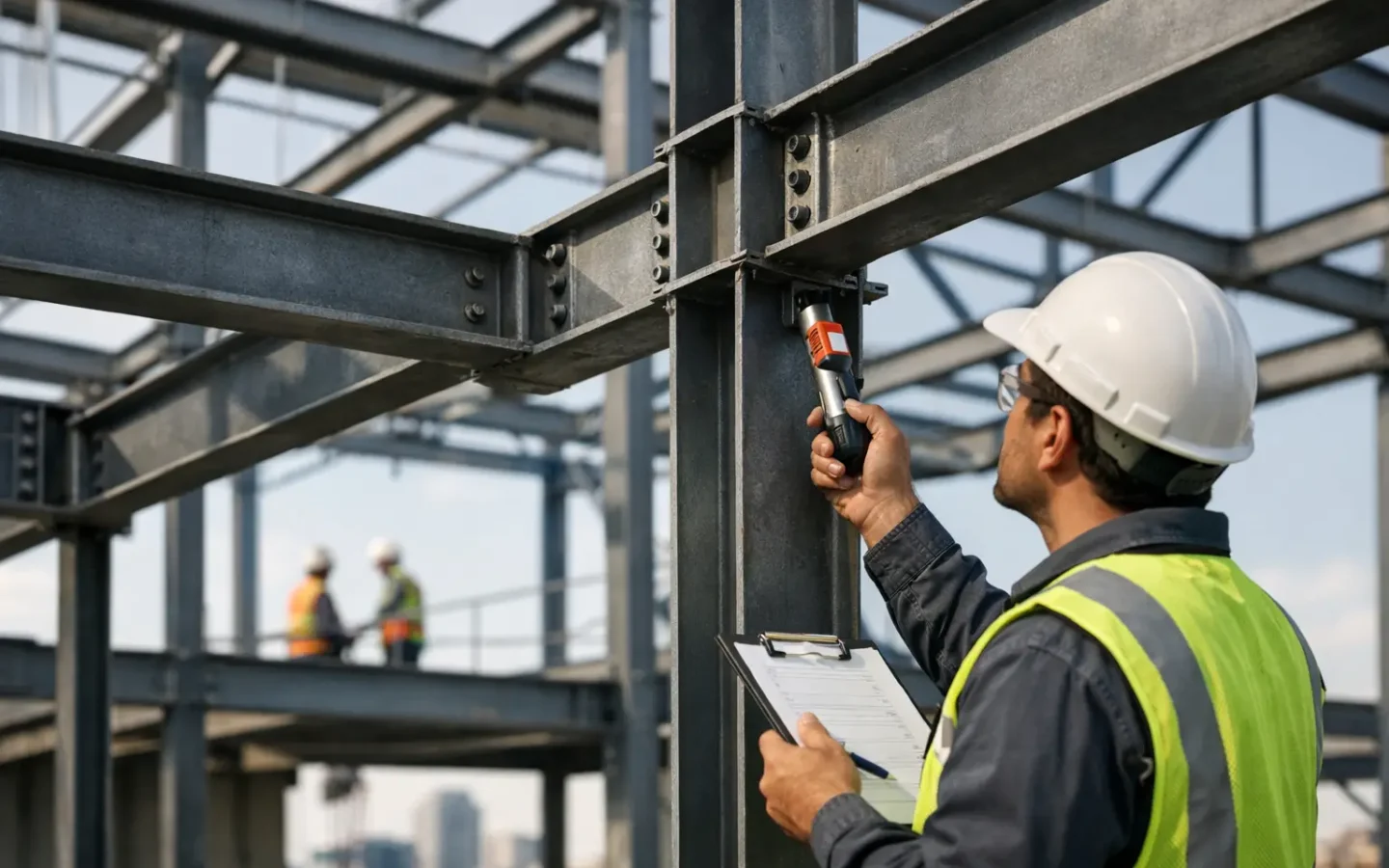
A rapid-response inspection helps homeowners understand the condition of their property soon after severe weather. The purpose isn’t simply to find obvious damage. A qualified inspector checks vulnerable areas, documents visible concerns, and looks for signs that water or wind may have compromised the roofing system. Acting promptly can make it easier to protect exposed areas before another round of rain arrives.
Of course, not every storm requires extensive work. Sometimes the damage is limited to a few shingles or a section of gutter. In other cases, the problem may be more serious. A careful assessment provides a clearer picture, allowing homeowners to make decisions based on evidence rather than guesswork.
Look Beyond the Visible Damage
A roof is made up of several connected components, and each one plays a role in keeping the home protected. Shingles or other roof coverings shed water, flashing seals vulnerable joints, and underlayment offers an additional layer of protection. Gutters and downspouts help direct water away from the building. When one component fails, nearby areas can become vulnerable as well.
That’s why an inspection should consider the whole system rather than focusing only on the most noticeable damage. A missing shingle may be easy to see, but the surrounding materials could also have shifted. A dented gutter might indicate that hail or debris struck other parts of the property. Water stains inside a room can point to a problem that began much farther up the roof.
Homeowners should also pay attention to interior warning signs. Peeling paint, damp insulation, musty smells, and new ceiling stains may indicate moisture intrusion. If water is entering the home, move belongings away from the affected area and avoid touching wet electrical fixtures. Serious leaks or structural concerns require prompt professional attention.
Protecting Your Home While You Wait
Sometimes a contractor cannot arrive immediately, particularly after a storm has affected many homes in the same area. In the meantime, focus on safety and preventing further damage where possible. Keep people away from fallen power lines, unstable trees, sagging ceilings, and damaged exterior structures. If a roof appears unsafe, don’t attempt to cover it with a tarp yourself.
Take photographs of visible damage from the ground and, if safe, capture images of interior leaks or damaged belongings. Note when the storm occurred and when you first noticed each problem. These records can help explain what happened when you speak with a roofing professional or your insurance provider.
If you need to arrange professional help, you can request estimate details from a qualified contractor once the immediate hazards have been addressed. Ask what the assessment includes, whether temporary protection is needed, and how the contractor will explain recommended work. A clear estimate should separate necessary repairs from optional improvements and outline the expected materials, labor, and timeline.
Understanding Repair Options and Costs
After an inspection, the next question is often whether the roof needs a repair or a more extensive replacement. The answer depends on several factors: the age of the roof, the type and extent of the damage, the condition of surrounding materials, and whether the same areas have experienced repeated problems.
A limited repair may be suitable when the damage is localized and the rest of the roof remains in good condition. Replacement may be worth considering when damage is widespread, materials are nearing the end of their useful life, or repeated repairs are becoming costly. A trustworthy contractor should explain the reasoning behind the recommendation instead of pushing homeowners toward the most expensive option.
The estimate should also make clear what is included. Check whether it covers removal of damaged materials, disposal, replacement components, flashing, cleanup, and any additional work that might be required if hidden damage is discovered. If the contractor identifies possible extra costs, ask how those changes will be approved before work proceeds.
Why Structural Condition Deserves Attention
Roofing problems can sometimes extend beyond the outer covering. Persistent moisture may weaken wood, while heavy debris or fallen branches can damage roof decking and supporting components. These issues are not always visible from outside the home, but they matter because the roof must remain securely attached and able to perform its intended function.
Assessing structural integrity is especially important when there are signs of sagging, major impacts, unusual movement, or significant water intrusion. Homeowners should not try to test a damaged roof by walking on it or applying pressure. A qualified professional can determine whether further evaluation is needed and advise on safe next steps.
It’s also sensible to ask for photographs or written explanations of any concerns found during the inspection. Clear documentation helps homeowners understand why a repair is necessary and provides a useful record for future maintenance.
Dealing With Insurance and Documentation
When storm damage may be covered by homeowners insurance, contact your insurer and follow its instructions for reporting a claim. Keep copies of photographs, inspection findings, estimates, receipts, and messages related to the damage. Policies differ, so coverage depends on the specific terms, exclusions, deductibles, and circumstances of the loss.
Avoid assuming that every roof issue will qualify for reimbursement. Normal wear and tear, maintenance problems, and sudden storm damage may be treated differently under a policy. Ask the insurer what documentation is required and whether an adjuster needs to inspect the property before permanent repairs begin. Emergency steps to prevent further damage may still be necessary, but keep records of what was done and why.
Be cautious of anyone who pressures you to sign a contract immediately or promises a guaranteed insurance outcome. Take time to review the paperwork, understand the scope of work, and confirm the contractor’s credentials.
Make Decisions With Confidence
Recovering after a storm can feel overwhelming, especially when you’re balancing family responsibilities, unexpected expenses, and concerns about your home’s safety. A thoughtful process makes the situation more manageable: check for immediate hazards, document visible damage, arrange a professional inspection, and compare repair recommendations before committing to major work.
The goal isn’t to fix everything at once. It’s to understand what your home needs and address the most important problems first. With reliable information and careful planning, homeowners can protect their property, make informed repair decisions, and feel more prepared when the next storm rolls through.