Hard water is one of those household problems that often goes unnoticed at first. The water still looks clear, it comes out of the tap, and life carries on as usual. Then, little by little, you start seeing cloudy shower doors, rough-feeling laundry, spots on the kitchen sink, or a strange film around faucets. Nothing dramatic happens overnight. It’s more of a slow accumulation.
The reason is simple: hard water contains higher levels of dissolved minerals, particularly calcium and magnesium. These minerals aren’t necessarily something you can see when the water is flowing, but once water evaporates, they can remain behind. Over time, that residue becomes surprisingly stubborn.
Where the White Residue Comes From
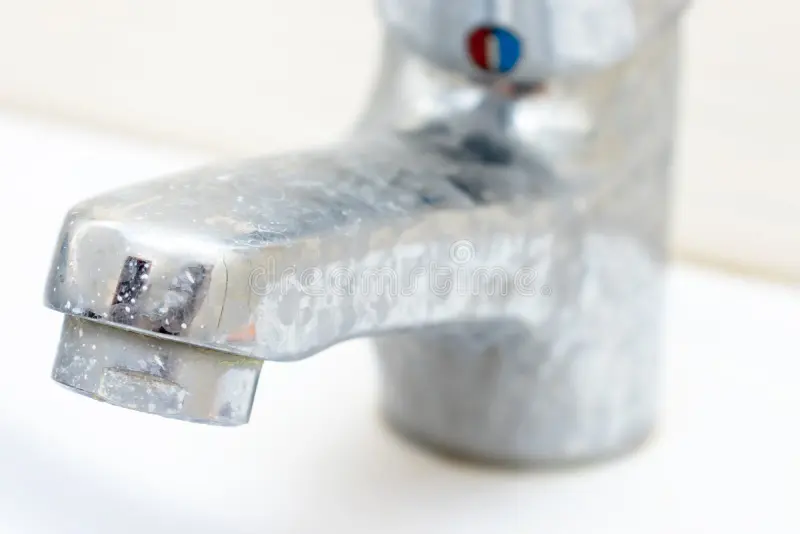
If you’ve ever wiped a bathroom faucet and noticed a chalky mark appearing again a few days later, you’ve probably encountered mineral deposits. As hard water dries, calcium and magnesium can settle onto surfaces. This is especially common around taps, showerheads, sinks, and appliances that regularly come into contact with water.
The familiar white scale buildup isn’t just a cosmetic annoyance, either. When mineral deposits continue accumulating, they can restrict water flow through small openings. Showerheads may spray unevenly, faucet aerators can become clogged, and plumbing components may gradually become less efficient.
This is why regular cleaning matters, but cleaning alone doesn’t address the underlying cause. You can scrub away the deposits today and find them back again next week if the water itself remains hard.
The Kitchen Often Shows the Problem First
The kitchen is a good place to notice the effects because dishes, cookware, glasses, and utensils are washed frequently. After drying, hard water can leave behind mineral spots that make otherwise clean items look dull.
This can be particularly frustrating with dishes and glassware. Glasses may develop a cloudy appearance, while plates can feel slightly rough instead of perfectly clean. Sometimes people assume their dishwasher isn’t working properly, when the real issue is the mineral content of the incoming water.
Using the right amount of detergent and keeping the dishwasher maintained can certainly help. Rinse aids may also reduce visible spotting. Still, if mineral-rich water is the constant source, household cleaning products can only go so far.
Why Soap and Shampoo Feel Different
Another everyday clue is the way soap behaves. Hard water doesn’t interact with soap as easily as softer water does. Calcium and magnesium can react with soap compounds, creating a residue rather than allowing the soap to rinse away cleanly.
You might notice that you need more soap or shampoo before it seems to work properly. Some people describe their skin as feeling coated or their hair as less manageable after showering. The experience varies from person to person, but the chemistry behind the residue is well established.
With softer water, soap can lather well with less effort, which is one reason many households notice a difference after installing a water softener. It’s not necessarily that the soap itself has changed. The water has.
Hard Water Can Be Tough on Appliances
Mineral deposits aren’t limited to visible surfaces. Appliances that heat water can be particularly vulnerable because heating encourages dissolved minerals to come out of solution and form deposits.
Water heaters are a common example. Over time, sediment and mineral scale can collect around heating elements or inside the tank. A thick layer of buildup can make heat transfer less efficient, meaning the appliance may have to work harder to deliver the same result.
Coffee makers, kettles, humidifiers, and other water-using appliances can experience similar problems. Anyone who has descaled a kettle and discovered a surprisingly thick layer inside knows just how persistent minerals can be.
That doesn’t mean hard water automatically destroys an appliance. Maintenance, appliance design, water temperature, and mineral concentration all matter. But reducing unnecessary scale can make routine maintenance easier.
Plumbing Deserves Attention Too
The effects can extend into household plumbing. Mineral deposits may accumulate inside pipes and fittings, particularly where water flow is restricted or temperatures are higher. Older plumbing systems can be more susceptible to noticeable changes over time.
There’s another practical issue: small passages and screens can become partially blocked. A faucet that once had strong, even flow may gradually weaken. Sometimes the solution is as simple as cleaning an aerator. Other times, persistent buildup points toward a broader water-quality issue.
This is where understanding your home’s water becomes more useful than simply treating individual symptoms.
Testing Before Choosing a Solution
Not every home has the same water chemistry. Municipal water and private well water can have very different mineral profiles, and hardness can vary considerably from one location to another.
A basic water test can help determine hardness levels and identify whether other concerns are present. Once you know what you’re dealing with, it becomes much easier to choose an appropriate treatment approach.
For households primarily concerned with calcium and magnesium hardness, a water softener may be worth considering. These systems are designed to reduce the minerals responsible for many of the everyday effects associated with hard water.
But it’s important not to choose equipment simply because someone says it’s the biggest, newest, or most powerful model. Treatment should match the actual water chemistry and household demand.
A Softer Approach to Everyday Maintenance
When hard water is under control, the difference may not be dramatic in a single moment. Instead, it tends to appear in small improvements. Faucets stay cleaner for longer. Shower surfaces require less aggressive scrubbing. Glassware may look clearer. Soap rinses more naturally.
And perhaps most importantly, you’re not constantly fighting the same residue.
A sensible approach is to start with testing, understand the hardness level, consider household water usage, and then select treatment equipment based on those facts. Regular appliance maintenance should still continue, because even a good water treatment system isn’t a substitute for basic care.
Hard water is rarely an emergency, but it can become an expensive nuisance when ignored for years. Those little spots and chalky marks are easy to dismiss until they begin affecting appliances, fixtures, cleaning routines, and everyday comfort.
In the end, good water treatment isn’t only about making water technically better. It’s about making the home easier to live in. Sometimes the biggest improvement is simply not having to scrub away the same stubborn white film every Saturday morning.