Water doesn’t usually make the list of things business owners worry about first. Customers, staffing, inventory, equipment, schedules—those are the obvious concerns. Yet water quality can quietly influence many of those areas, especially in businesses that use large quantities of heated or constantly circulating water.
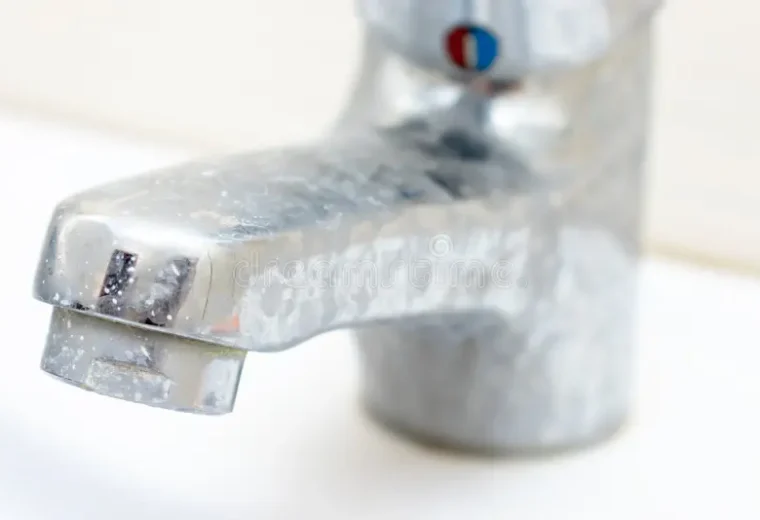
Hard water is a good example. It can look harmless coming from the tap, but calcium and magnesium can leave scale inside equipment, around fixtures, and on surfaces. At home, that might mean a stubborn white ring around the faucet. In a commercial setting, the same mineral buildup can affect expensive equipment and increase maintenance demands.
The interesting part is that different businesses feel the effects in different ways. A hotel, restaurant, manufacturing facility, and car wash don’t use water in quite the same fashion. So, naturally, their treatment needs shouldn’t be identical either.
Why Hardness Becomes More Noticeable in Commercial Settings
Hard water becomes especially troublesome when it’s used frequently or heated repeatedly.
Heating encourages dissolved minerals to form scale. Once those deposits begin accumulating on heat-transfer surfaces, efficiency can decline. Equipment may need more frequent cleaning, and maintenance teams can end up spending time dealing with a problem that started with something as ordinary as the water supply.
That’s why water testing should be the first step. Knowing the hardness level gives a business a much clearer picture of whether treatment is needed and how much capacity the system should have.
Boilers Need Clean Heat-Transfer Surfaces
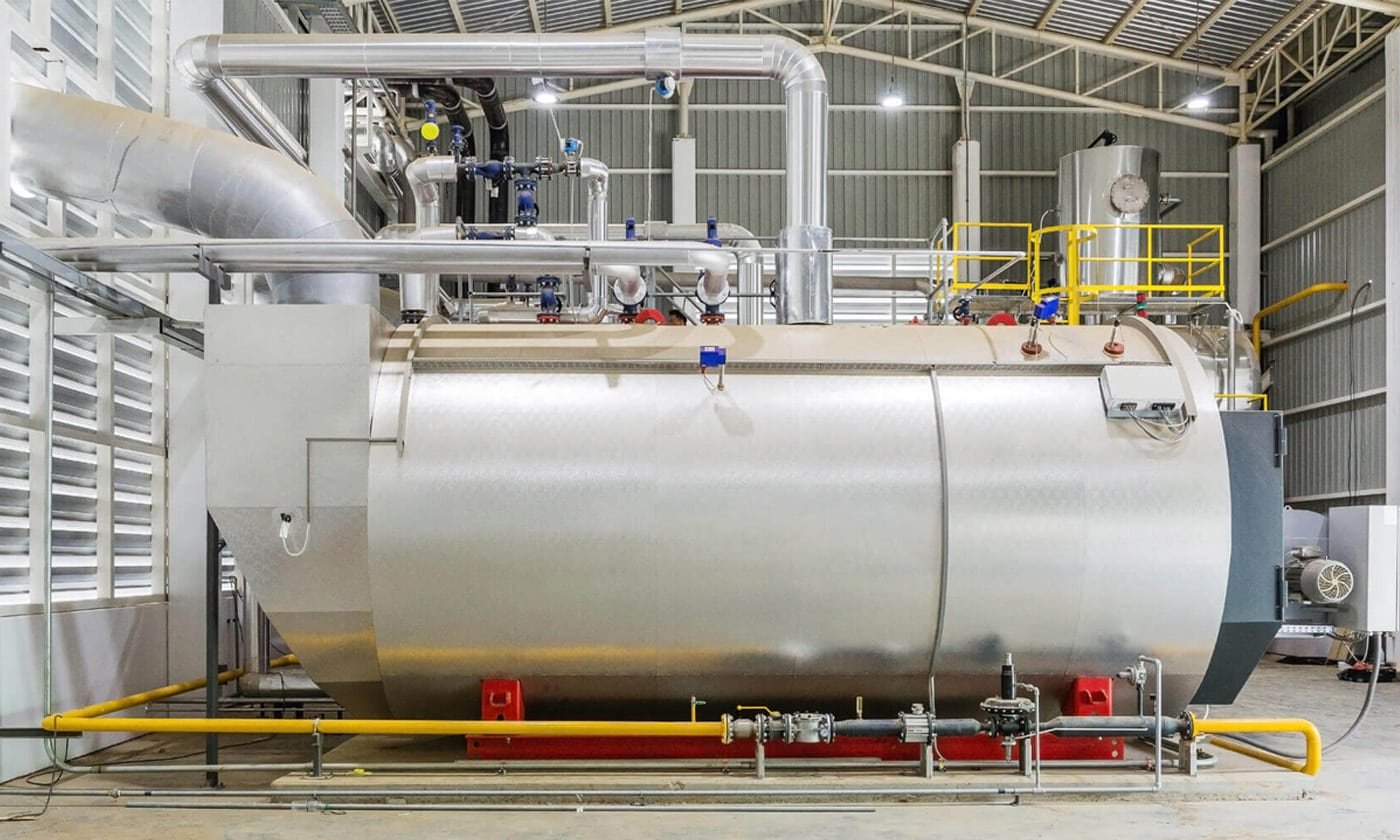
Boilers are among the clearest examples of why commercial water treatment matters. These systems depend on efficient heat transfer, and mineral deposits can interfere with that process.
For facilities relying heavily on heated water or steam, water softeners for boilers can be part of a broader strategy for managing hardness and reducing scale formation.
Of course, softening isn’t a universal boiler-water solution. Commercial boiler systems may have additional chemistry requirements involving pH, dissolved solids, corrosion control, and other factors. Treatment should therefore be designed around the specific boiler and operating conditions rather than assuming a softener alone solves everything.
Still, controlling hardness can be an important piece of the puzzle.
Water Heaters Face Similar Problems
Commercial water heaters can also suffer when hard water is constantly being heated.
Restaurants, hotels, apartment buildings, healthcare facilities, and other properties may rely heavily on water heaters throughout the day. As scale builds on heating elements or internal surfaces, heat transfer can become less efficient.
The result isn’t necessarily an immediate breakdown. More often, the problem develops gradually.
Energy use may increase. Heating performance may change. Maintenance may become more frequent. Eventually, the equipment may need attention sooner than expected.
Reducing hardness before water reaches the equipment can help limit one of the factors contributing to scale buildup. The exact treatment approach should depend on water chemistry and equipment specifications.
A Car Wash Has a Different Kind of Water Problem
A car wash may not have the same boiler requirements as a manufacturing plant, but water quality still matters enormously.
Every wash leaves water on a vehicle. If that water contains significant minerals, droplets can dry and leave spots behind. Customers aren’t particularly interested in hearing a technical explanation about mineral deposits when their freshly washed vehicle has a cloudy finish.
A car wash therefore has a strong practical reason to pay attention to water quality. Softened or treated water can be incorporated into a larger process designed to improve cleaning results and reduce spotting.
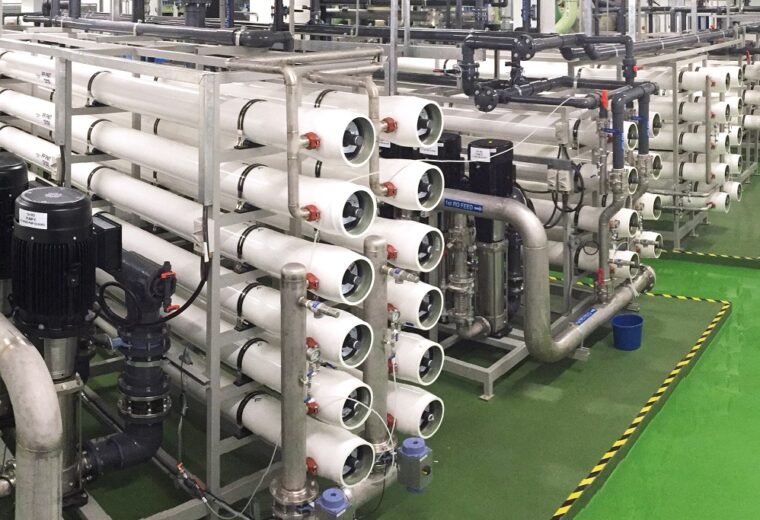
Depending on the operation, additional treatment such as reverse osmosis or deionization may also be considered for final rinse water. Again, the right approach depends on the desired result and incoming water chemistry.
Not Every Business Needs the Same Softener
It’s tempting to think commercial water softeners are interchangeable. They’re not.
A small office with modest water consumption has completely different requirements from a hotel with hundreds of guests or a car wash operating throughout the day.
System selection should account for hardness, daily water use, peak flow, regeneration requirements, available space, and the equipment being protected.
Peak demand deserves special attention. A system may have enough total capacity but still struggle when multiple fixtures or machines require water simultaneously.
Sizing for the busiest part of the day is often more useful than simply looking at average consumption.
Test Before You Treat
Water testing can save a lot of unnecessary expense.
Hardness is the obvious parameter, but it isn’t the only one worth considering. Iron, manganese, sediment, pH, and other water characteristics can influence treatment decisions.
For businesses using private wells, testing may be even more important because groundwater conditions can vary and change over time.
Testing also prevents a common mistake: trying to solve a problem with the wrong equipment.
A softener is designed to address hardness. It isn’t automatically a solution for every contaminant or water-quality issue. If sediment or another substance is present, pretreatment or additional filtration may be necessary.
Think About What Happens After Installation
Installing treatment equipment is only the beginning.
Commercial systems need ongoing attention. Salt levels may need checking. Control settings should be reviewed. Valves, tanks, and connections need periodic inspection. Filters or other treatment components may have replacement schedules.
The good news is that routine maintenance is usually far easier than emergency maintenance.
Businesses should establish a simple service schedule and make sure someone knows what to watch for. A sudden change in water taste, pressure, appearance, or equipment performance can be an early warning sign.
Efficiency Matters More Than Size Alone
A larger softener isn’t automatically a better softener.
Oversized equipment can introduce unnecessary costs, while undersized equipment may fail to keep up with demand. The goal is to find the point where capacity, flow rate, and operating requirements align.
Regeneration is another consideration. Depending on the system, regeneration may use water and salt. Overly frequent regeneration can increase operating costs, while insufficient regeneration can compromise performance.
Good programming and correct sizing work together.
Protecting Equipment Can Protect the Bottom Line
The financial argument for water treatment isn’t always obvious at first.
A softener doesn’t necessarily generate revenue. Instead, it can help reduce expenses associated with scale, cleaning, equipment maintenance, and premature replacement.
Imagine a water heater that could have lasted several more years but develops serious scale-related problems early. Or a car wash that repeatedly deals with mineral spotting and unhappy customers.
These aren’t theoretical concerns for businesses that use large quantities of water every day.
Water treatment can be a form of preventive maintenance.
A Practical Approach to Commercial Water Softening
The smartest approach is fairly simple.
First, understand the water. Test it. Then look at how the business uses that water and identify the equipment most affected by hardness.
From there, choose treatment capacity based on actual demand rather than guesswork. Consider peak flow, regeneration, maintenance, installation space, and long-term operating costs.
A boiler-focused facility may need one strategy. A property with several high-demand water heaters may need another. A car wash could require softening combined with additional treatment for spot-free rinsing.
There isn’t one perfect setup.
What matters is matching the treatment to the job. Hard water may seem like a small operational detail, but in a business that uses thousands of gallons over time, small details have a way of becoming big ones.
Good water treatment simply keeps that from happening.