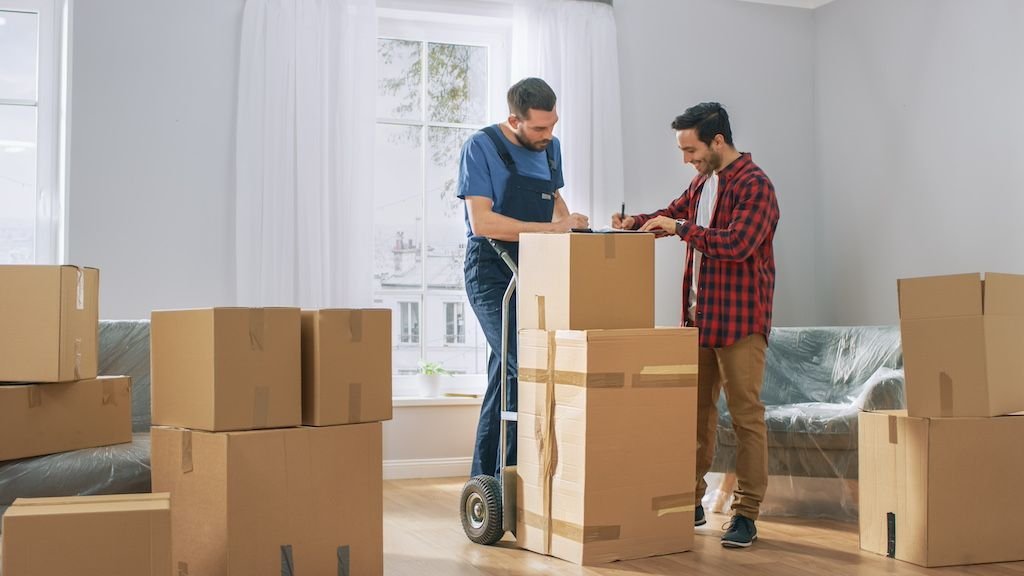
Moving house or office can be exciting, but the actual relocation process often involves more work than expected. Furniture needs to be packed and protected, boxes must be organized, heavy appliances require careful handling, and everything has to reach the new property safely. Without proper planning, even a nearby move can become tiring and time-consuming.
For anyone searching forBest Movers in Taman Melawati , the main objective is usually to find a dependable moving service that can handle the practical side of relocation efficiently. Customers want movers who understand how to manage household furniture, fragile possessions, appliances, boxes, and other belongings while keeping the process organized. Those looking for Best Movers in Ampang may have similar needs, whether they are moving between homes, relocating an office, or transporting selected large items.
Choosing a moving company should not be based on price alone. The right service should match your property, number of belongings, moving distance, schedule, access conditions, and level of assistance required. Knowing what to check before booking can help you make a more informed decision.
What Should You Expect From a Professional Moving Service?
A reliable moving service should make the relocation process easier rather than create additional uncertainty. Before hiring a company, find out exactly what services are included in the quotation.
Depending on your requirements, a moving package may include:
- Loading and unloading
- Transportation
- Furniture wrapping
- Box packing
- Fragile-item protection
- Furniture dismantling
- Furniture reassembly
- Residential relocation
- Office relocation
- Heavy-item handling
Not every move requires all these services. A customer moving a few pieces of furniture may need only transportation and manpower, while a full household relocation may benefit from a complete moving package.
Clear communication is particularly valuable. If a mover understands the property layout, quantity of belongings, access restrictions, and destination before moving day, the team can prepare more appropriately.
Why Local Knowledge Can Improve the Moving Experience
Relocation involves more than the distance between two addresses. Property access can have a significant effect on how the move is carried out.
For example, an apartment or condominium may have specific rules concerning lift usage, loading areas, parking, and moving hours. A landed house may have stairs, narrow driveways, gates, or a long distance between the entrance and a suitable parking location.
Movers familiar with the local area may be better prepared to discuss these practical considerations. However, customers should still provide complete information because every property is different.
When requesting a quotation, mention the property type and floor level, whether a lift is available, where the vehicle can park, and whether there are any restrictions imposed by building management.
Residential Moving Services for Homes of Different Sizes
Household relocations can vary considerably. A studio apartment, family home, and large landed property may require completely different amounts of labour and transportation capacity.
Apartment and Condominium Moves
Apartment moves often involve additional access planning. Furniture may need to travel through lifts, corridors, staircases, and shared entrances before reaching the moving vehicle.
Before the movers arrive, check whether building management requires advance notice or lift reservations. Keeping this information ready can prevent unnecessary delays.
Landed House Relocations
A landed-property move may involve more furniture, boxes, outdoor belongings, and appliances. Large items such as wardrobes, sofas, dining tables, refrigerators, and washing machines should be identified in advance.
If there are particularly narrow entrances or difficult access points, tell the mover before booking. This allows the company to assess whether additional manpower or equipment may be needed.
Office Relocation Requires Careful Coordination
Moving an office is different from moving a home because business equipment and workplace furniture often need to be transported according to a specific plan.
A typical office relocation may involve desks, chairs, computers, monitors, printers, filing cabinets, shelves, documents, and meeting-room furniture.
A useful office moving plan should identify:
- Which items are being relocated.
- Which items will be discarded or stored elsewhere.
- Which equipment requires special handling.
- Where each department’s belongings should go.
- When the move should take place.
- Whether the new building has access restrictions.
Labeling boxes and equipment by department or room can make the unpacking process much easier. Sensitive documents and essential business equipment should also be identified clearly.
Packing Tips That Can Save Time
Packing is one of the most underestimated parts of moving. People often focus on large furniture but forget how many smaller belongings are stored in cupboards, drawers, shelves, kitchens, bedrooms, and storage areas.
Start packing items that are not needed every day. Books, decorations, seasonal clothing, rarely used kitchenware, and spare household items can usually be packed well before the moving date.
Use Room-Based Labels
Instead of simply numbering boxes, label them according to their destination. A box marked “Kitchen – Glassware” is much easier to manage than one marked only “Box 12.”
You can also use a simple inventory to keep track of valuable or important items.
Protect Fragile Belongings
Glassware, mirrors, ceramics, artwork, electronics, and delicate decorations need suitable protection. Use appropriate cushioning and avoid leaving empty spaces that allow objects to shift during transportation.
Do not place excessively heavy objects in cartons that are difficult to lift. Balanced boxes are safer and easier for movers to handle.
How Moving Costs Are Calculated
Moving prices vary according to the requirements of each job. A quotation may depend on several factors rather than one fixed rate.
Common considerations include:
- Moving distance
- Property size
- Number of items
- Number of movers required
- Vehicle capacity
- Packing requirements
- Furniture dismantling
- Reassembly
- Number of floors
- Stair access
- Lift availability
- Parking conditions
- Carrying distance
- Special handling requirements
- Moving schedule
A customer should compare quotations based on the complete scope of service. Two companies may quote different amounts because they are offering different levels of manpower or different services.
Ask for a Detailed Quotation
Before confirming a booking, ask what the quoted amount covers. Find out whether labour, transportation, furniture wrapping, packing materials, dismantling, reassembly, and unloading are included.
Also ask about possible additional charges. Having these details clarified beforehand can reduce misunderstandings on moving day.
Preparing Your Property Before Movers Arrive
Professional movers handle the physical transportation, but customers can make the process much more efficient by preparing the property.
Clear pathways and remove objects that could obstruct workers. Keep important documents, valuables, and essential personal items separate from general household boxes.
If possible, make sure the moving team has easy access to furniture that needs to be loaded first. Items hidden behind other belongings may take additional time to retrieve.
You should also communicate any special instructions before the team begins loading.
What to Do With Valuable and Personal Items
Some belongings are more important than others. Passports, financial documents, jewellery, sentimental objects, important records, and other highly personal possessions should be handled with particular care.
Where practical, keep such items with you instead of placing them in the general moving load.
For valuable furniture and electronics, taking photographs before the move can provide a useful record of their condition. This is a simple organizational step that can also help you identify where particular items belong after arrival.
Moving Large Appliances Safely
Appliances can be heavy, awkward, and sensitive to improper handling. Refrigerators, washing machines, dryers, large televisions, and other equipment should be prepared before transportation.
Check manufacturer guidance where relevant, particularly for appliances that need preparation before being moved. Secure loose components and make sure the moving team knows about unusually heavy or delicate equipment.
Large appliances should also be checked against the dimensions of doors, lifts, corridors, and staircases. Measuring access points in advance can prevent an unpleasant surprise on moving day.
Common Mistakes People Make When Hiring Movers
Choosing the Cheapest Quote Without Comparing Services
A low price may look attractive, but it does not necessarily mean you are receiving the same service as another quotation. Always compare what is included.
Providing Incomplete Information
Failing to mention stairs, additional rooms, heavy appliances, or difficult access may result in an inaccurate estimate.
Packing at the Last Minute
Last-minute packing can create confusion and delays. Begin with non-essential items and work gradually toward everyday belongings.
Forgetting Building Requirements
Apartment, condominium, and office buildings may have specific moving procedures. Confirm these requirements early.
Not Confirming Details Before Moving Day
Reconfirm the moving date, time, pickup location, destination, services, manpower, and payment arrangements before the scheduled relocation.
How to Select the Right Mover for Your Relocation
Start by identifying what kind of move you are making. A small apartment relocation may require a compact vehicle and limited manpower. A full-house move may require several workers, extensive furniture protection, and a larger vehicle.
If you are relocating an office, prioritize organization and scheduling. If you are moving fragile or bulky household items, focus on handling procedures and available equipment.
When comparing moving companies, consider the following questions:
- Does the company understand my type of move?
- Is the quotation clear?
- Are additional charges explained?
- Can the company provide the manpower I need?
- Is the vehicle suitable for my belongings?
- Are packing and wrapping services available?
- Can large furniture be dismantled and reassembled?
- Has the moving schedule been clearly confirmed?
These questions can help you narrow down your options based on your actual requirements rather than marketing claims.
A Simple Moving-Day Checklist
A checklist can help prevent small problems from becoming major distractions.
Before the movers arrive:
- Complete most of your packing.
- Separate important personal belongings.
- Label boxes clearly.
- Keep walkways clear.
- Confirm parking and building access.
- Identify fragile and valuable items.
- Keep essential chargers and documents with you.
- Confirm the moving team’s arrival time.
- Check that the destination property is accessible.
After unloading, inspect major furniture and appliances and make sure boxes are placed in their intended rooms. An organized unloading process can make unpacking much less frustrating.
Frequently Asked Questions
How far in advance should I book movers?
It is best to arrange your moving service as early as possible when you have a fixed relocation date. Early booking gives you time to compare quotations, prepare your belongings, and handle building-access requirements.
Do moving companies provide packing services?
Many movers offer packing or wrapping services, either as part of a package or for an additional fee. Confirm exactly which materials and services are included before booking.
Can movers move heavy furniture and appliances?
Moving companies commonly handle large household furniture and appliances, but the exact requirements depend on the item, access conditions, and available manpower. Mention unusually large or heavy items when requesting a quotation.
How can I get a more accurate moving quotation?
Provide complete information about both properties, including location, floor level, lift availability, approximate number of boxes, major furniture, appliances, fragile items, and moving date. Photographs can also help explain difficult access or unusually large items.
Should I pack everything myself?
You can pack independently if you have sufficient time and prefer to organize your belongings yourself. If the move is large or you have limited time, professional packing assistance may make the process easier.
What should I keep with me during the move?
Keep important documents, valuables, personal essentials, chargers, keys, and other items you may need immediately after arrival separately from the main moving load whenever practical.
Plan Carefully for a Better Relocation
A successful move depends on preparation as much as transportation. Choosing a suitable moving company, providing accurate information, organizing your belongings, and understanding the quotation can make the process far more manageable.
Whether you are moving within Taman Melawati, relocating elsewhere in the surrounding area, or arranging a move connected to Ampang, take time to evaluate the service according to your actual needs. Look beyond the advertised price and consider manpower, vehicle suitability, packing options, furniture handling, access requirements, communication, and overall service clarity.
With thoughtful preparation and the right moving support, relocating does not have to become an overwhelming task. A well-organized moving plan allows you to protect your belongings, reduce avoidable delays, and settle into your new home or workplace with greater ease.