A water storage tank is one of those things you rarely think about until it starts causing trouble. When everything is working properly, the tank simply sits there, quietly holding water for whenever you need it. But over time, changes in the environment, poor maintenance, or problems with the water source can affect what’s happening inside.
Maybe the water develops an odd smell. Perhaps the pressure suddenly drops, or you notice greenish growth around an exposed part of the system. None of these signs should automatically cause panic, but they’re worth investigating. Small problems are generally much easier to handle before they turn into expensive repairs.
Why Algae Can Develop
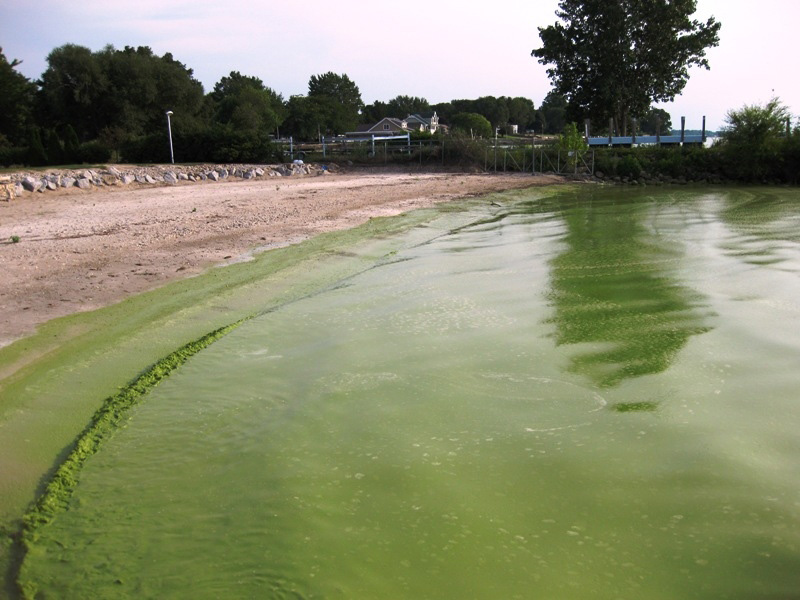
Storage tanks that receive sunlight are more vulnerable to Algae growth. Algae can develop when light, moisture, nutrients, and suitable temperatures come together.
This is particularly relevant for tanks that are installed outdoors or have covers that allow too much light through. Rainwater collection systems can also introduce organic material that provides nutrients for growth.
The easiest way to reduce the risk is prevention. Keep tanks properly covered, limit unnecessary light exposure, and make sure the surrounding area is reasonably clean. Regular inspections can also help identify early growth before it becomes widespread.
If algae is already present, the correct cleaning method depends on the tank type and what the water is intended for. Drinking-water storage requires particular care, so using random household chemicals isn’t a great idea.
When Unpleasant Odors Appear
A strange smell coming from your water can be unsettling. Unpleasant odors may have several possible causes, including stagnant water, organic material, microbial activity, sulfur-related compounds, or problems within the plumbing.
Sometimes the tank is responsible. Other times, the source may be the well, water heater, treatment equipment, or even a drain rather than the water itself.
That’s why simply adding a fragrance or cleaning product isn’t a real solution. The cause needs to be identified first.
If an odor suddenly appears, pay attention to whether it affects hot water, cold water, or both. That small detail can help narrow down where the problem might be coming from.
What Causes Reduced Water Pressure?
Few household problems are as annoying as turning on the shower and getting a weak stream.
Reduced Water Pressure can result from several things. A clogged filter, sediment buildup, partially closed valve, failing pump, mineral deposits, or a leak may all play a role.
In a storage system, pressure problems can also be connected to the pump or pressure tank. If the issue affects only one faucet, the cause may be localized. If every fixture suddenly has weak pressure, the problem is more likely to involve the main supply or treatment system.
Don’t immediately assume the pump needs replacing. A blocked filter or simple valve issue may be responsible.
Sediment Can Build Up Over Time
Water entering a storage tank can carry tiny particles from the source. Over months or years, those particles may settle at the bottom.
A layer of sediment may not cause an immediate issue, but excessive accumulation can reduce usable tank capacity and interfere with pumps, valves, and filters.
If sediment is repeatedly appearing, it’s worth investigating where it is coming from. Cleaning the tank may solve the immediate problem, but if the source continues introducing particles, the buildup will simply return.
Sometimes a suitable pre-filter or other treatment approach can reduce the amount entering the tank.
Keep the Tank Protected
The simplest solutions are often the most effective.
A properly fitted cover can prevent leaves, insects, dust, and other debris from entering. Outdoor tanks should also be protected from unnecessary sunlight where possible.
For rainwater systems, gutters and collection surfaces should be cleaned regularly. A dirty roof or blocked gutter can send a surprising amount of material into the tank during a single storm.
The surrounding area matters too. Avoid storing chemicals, fuel, waste, or other obvious contamination sources near the tank or wellhead.
Regular Inspection Makes a Difference
You don’t need to inspect every component every morning. But periodic checks are a smart habit.
Look for leaks, damaged fittings, loose covers, unusual noises, standing water around the tank, or visible changes in water quality.
If the system has filters or pumps, check whether they’re operating as expected. Keep track of filter replacement dates and other routine maintenance.
A small notebook or phone reminder can be enough. There’s no prize for remembering everything in your head.
When Water Testing Is Worth Considering
If water suddenly changes color, smell, taste, or appearance, testing can provide useful information.
For private wells, testing is especially important because groundwater conditions can change after flooding, heavy rain, nearby construction, or other environmental events.
Testing may help determine whether a problem is related to bacteria, minerals, metals, sediment, or another water-quality characteristic.
It’s better to understand the cause than to keep treating symptoms.
Don’t Overlook Professional Maintenance
Some maintenance jobs are straightforward, but others are better left to someone with the right equipment and experience.
Tank cleaning, pump servicing, complicated plumbing repairs, and water-quality treatment can require more than a quick internet search.
A qualified professional can inspect the entire setup rather than focusing on one symptom. That can be particularly helpful when the same problem keeps returning.
Before hiring anyone, ask what work is included, whether replacement parts are covered, and what maintenance will be needed afterward.
A Reliable Water System Starts With Small Habits
Water storage problems rarely appear out of nowhere. They often develop gradually — a little sediment here, a clogged filter there, an ignored leak that slowly gets worse.
Paying attention early can make a huge difference.
Keep the tank protected, maintain filters and pumps, clean collection areas, monitor water quality, and investigate unusual changes rather than ignoring them. You don’t need to become a water-treatment expert. You just need a basic maintenance routine and the willingness to deal with small problems before they become big ones.
In the long run, that simple approach can keep your water storage system cleaner, more dependable, and far less likely to surprise you when you need it most.