There’s a strange thing about walls—you don’t really notice them when they’re in good shape. They sit quietly in the background, holding everything together, reflecting light, framing your space. But the moment something’s off? A crack, a dent, an uneven patch… suddenly, that’s all you see.
It’s not dramatic. Just enough to make a room feel slightly unfinished.
When Everyday Life Leaves Its Mark
Homes are meant to be lived in. Furniture moves, kids play, things bump into corners, and over time, the walls start collecting these little signs of life. It’s natural. Almost comforting, in a way.
But there’s a point where those marks stop feeling like “character” and start feeling like neglect. That’s usually when people begin thinking about residential drywall repair—not because they want perfection, but because they want their space to feel whole again.
A smooth wall has a way of calming the eye. It doesn’t pull your attention. It just lets the room exist the way it’s supposed to.
The Subtle Art of Getting It Right
Fixing drywall isn’t just about covering damage. Anyone can fill a hole or patch a crack, but making it blend seamlessly? That’s where things get tricky.
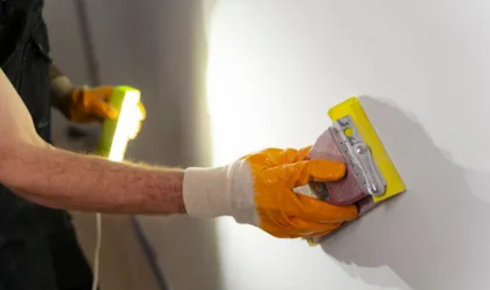
This is where wall finishing comes into play. It’s the part people rarely think about, but it makes all the difference. Sanding, smoothing, matching the surrounding texture—it’s careful work, and honestly, a bit of an art.
Done poorly, a repair stands out more than the damage itself. Done well, it disappears completely. And when that happens, the entire wall feels untouched, like nothing ever went wrong.
Living With Imperfections (Until You Don’t)
It’s funny how quickly we adapt to flaws in our environment. That small patch near the corner? You stop noticing it after a while. The uneven surface behind the couch? Out of sight, out of mind.
But every now and then, something shifts—a change in lighting, a different angle—and suddenly, it’s visible again. And once you see it, you can’t unsee it.
Fixing these things isn’t about chasing a flawless home. It’s about removing that subtle distraction. Letting your space feel intentional again, instead of something you’ve learned to work around.
Why Location Sometimes Matters
Depending on where you live, the kind of wear your home experiences can vary quite a bit. In busier cities, homes often deal with more movement, more changes, more… life, really.
That’s why finding a reliable dallas drywall service (or a trusted local professional, wherever you are) can make a big difference. Someone who understands the common issues in your area, who’s seen similar problems before, and knows how to fix them properly.
Because while drywall repair might seem straightforward, every home has its own quirks.
The DIY Question We All Ask
There’s always that moment—you look at a damaged wall and think, “I could probably fix that myself.” And sometimes, you’re right.
Small patches can be manageable. A bit of filler, some sanding, a coat of paint. It can even feel satisfying to handle it on your own.
But then there are the times when it doesn’t go quite as planned. The surface isn’t as smooth as you hoped. The paint doesn’t match perfectly. The repair ends up standing out instead of blending in.
That’s when experience really shows. Not because the task is impossible, but because doing it seamlessly requires a certain touch.
A Space That Feels Balanced Again
There’s a noticeable shift when your walls are in good condition. You walk into a room, and nothing pulls your attention in the wrong direction. Everything feels… settled.
It’s not something you consciously think about. But it changes how you experience the space.
Clean, smooth walls allow everything else—your furniture, your décor, even the light—to take center stage. They create a kind of quiet harmony that’s easy to overlook but hard to live without once you’ve experienced it.
It’s Never Just About the Wall
At the end of the day, drywall repair isn’t really about drywall. It’s about how your home feels to you. The comfort, the ease, the sense that things are in order.
A small fix can have a bigger impact than you’d expect. It can make a room feel newer, cleaner, more intentional.
And maybe that’s why these repairs matter. Not because they’re visible, but because they remove what shouldn’t be there in the first place.
Because sometimes, the best kind of improvement is the one you don’t notice at all—just the feeling that everything is exactly as it should be.