It’s rarely dramatic. No alarms, no obvious warning signs. Just a subtle shift—maybe your tap water tastes a little metallic, or your bathroom fixtures start showing faint orange stains. You notice it, shrug it off, and carry on.
Until it keeps happening.
That’s the thing about water—it doesn’t shout. It nudges. And if you’re paying even a little attention, those nudges start to add up.
The First Clue Usually Comes From Curiosity
Most people don’t wake up one day and decide to analyze their water. It’s usually triggered by something small. A lingering taste. Soap that doesn’t quite lather right. Or maybe your kettle building up scale faster than usual.
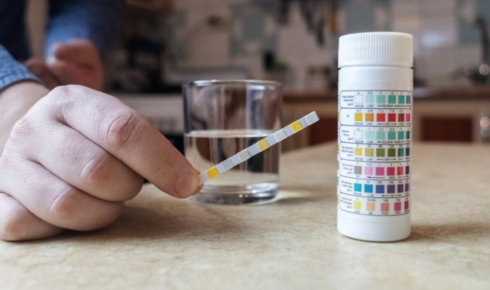
That’s often where water testing enters the picture. Not as a big, complicated process, but as a simple way to answer a basic question: What exactly am I dealing with here?
You collect a sample, send it off or use a kit, and suddenly you’re not guessing anymore. You have numbers, details, a clearer picture. And strangely enough, that clarity feels like relief—even if it reveals a few issues.
When Stains Tell a Story
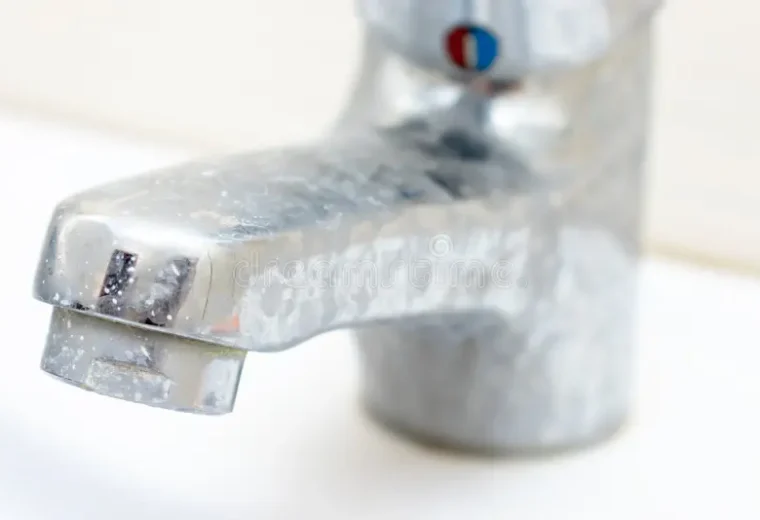
Let’s talk about those reddish-brown marks you might see around sinks or toilets. At first, they’re easy to dismiss. Maybe it’s just old plumbing, you think. But over time, they become harder to ignore.
Often, this points to elevated iron levels in the water. It’s not uncommon, especially in groundwater sources. Iron itself isn’t usually harmful in small amounts, but it can affect taste, smell, and the way your fixtures look over time.
There’s also that metallic hint in your drinking water—subtle, but noticeable once you’ve picked up on it. And once you notice it, it’s hard to go back to not noticing.
The Invisible Factor Behind Everyday Frustrations
Then there’s another issue that doesn’t leave visible stains but still makes its presence known. Soap that refuses to lather. Clothes that feel stiff after washing. Glassware that never quite looks clean.
That’s often linked to hardness testing, which measures the mineral content—mainly calcium and magnesium—in your water. Hard water isn’t dangerous, but it does change how water behaves in everyday use.
It’s one of those things you adapt to without realizing it. Until you experience soft water somewhere else and suddenly think, Wait, why doesn’t mine feel like this?
It’s Not About Perfect Water—Just Better Water
Once you start understanding what’s in your water, it’s tempting to aim for perfection. But honestly, that’s not always necessary.
Most homes don’t need extreme solutions. They need targeted improvements. If iron is the issue, there are ways to reduce it. If hardness is the concern, softening systems can help. If everything is within normal range, sometimes no action is needed at all.
The goal isn’t flawless water. It’s comfortable, reliable water that fits your daily life.
The Small Changes You Start to Notice
Here’s the interesting part—when you make even minor adjustments, the difference shows up in subtle ways.
Your tea tastes cleaner. Your skin feels less dry after a shower. Your appliances seem to last longer. Nothing dramatic. Just a series of small improvements that quietly enhance your routine.
And the best part? You stop thinking about your water again. It fades back into the background, doing its job without raising questions.
Taking a Step Without Overcomplicating Things
If you’re starting to notice changes in your water, you don’t need to overhaul everything overnight.
Start with observation. Pay attention to what’s different. Then, if needed, take a simple test. Talk to someone who understands local water conditions. Build your approach step by step.
It’s not about rushing into solutions. It’s about making informed decisions, one at a time.
A Thought That Feels Worth Holding On To
Water is one of those essentials we rely on constantly but rarely examine closely. It’s easy to assume it’s fine, and most of the time, it is.
But every now and then, it’s worth asking questions. Not out of concern, but out of curiosity.
Because when you understand something so central to your daily life—even just a little better—it changes how you experience it.
Not in a big, life-altering way.
Just in those quiet, everyday moments where everything feels a bit more… right.