A water softener can feel like a simple machine from the outside. You add salt, the unit runs quietly in the background, and hopefully the water feels better. That’s the whole story, right? Not quite. Behind that quiet little system is a set of numbers and settings that decide how well it performs.
When those settings are right, the softener works smoothly. Soap rinses better, glassware looks clearer, laundry feels softer, and scale has a harder time building up around fixtures. But when the settings are off, even a good softener can waste salt, waste water, or allow hard water to slip through the home.
Why Hard Water Needs Measuring
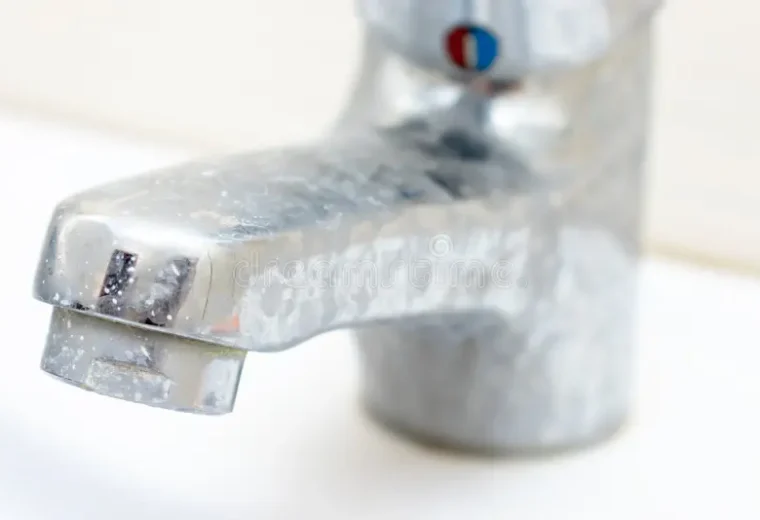
Hard water is caused mainly by minerals such as calcium and magnesium. These minerals are not usually something you can see floating in a glass, but they leave plenty of evidence. Spots on dishes, chalky faucet buildup, stiff towels, poor soap lather, and scale inside appliances are all common signs.
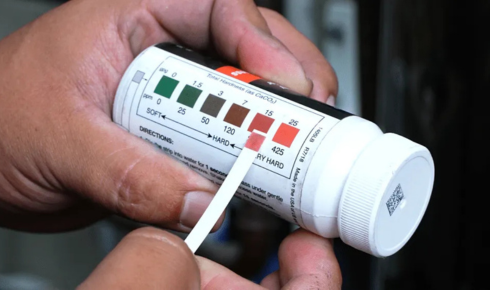
The first important number is the hardness level of the water. This tells you how much hardness mineral content is present and helps determine how the softener should be programmed. Guessing this number is where many homeowners get into trouble.
A professional water test gives a clearer answer. Once the hardness is known, the softener can be adjusted to match the real conditions in the home.
What Capacity Really Means
Every softener has a limit. It can only remove a certain amount of hardness before it needs to regenerate. Think of it like a sponge. It can absorb only so much before it has to be rinsed out.
This capacity depends on the amount of resin inside the system, the salt dose, and the hardness of the water. A larger household using more water will use up capacity faster than a smaller one. Homes with very hard water will also push the system harder.
This is why proper sizing matters. A softener that is too small may regenerate too often. One that is poorly programmed may not regenerate soon enough.
Understanding Gallons and Grains
Water softener calculations often use grains of hardness. It sounds old-fashioned, and honestly, a little odd if you’ve never heard it before. But it is still a common way to measure hardness in residential water treatment.
The term gallons per grain helps connect water use with hardness removal. In simple terms, the harder the water is, the fewer gallons the softener can treat before it needs to recharge. Softer water allows the system to go longer between cycles.
For example, a system that performs well in moderately hard water may need to regenerate more often if installed in a home with extremely hard water. The equipment didn’t suddenly become bad. It is simply dealing with more minerals per gallon.
Why Regeneration Timing Matters
Regeneration is the cleaning cycle that refreshes the softener’s resin beads. During this process, the system uses brine from the salt tank to flush away captured hardness minerals and prepare the resin for more softening.
A correct regeneration schedule helps the system stay balanced. If the softener regenerates too frequently, it may waste salt and water. If it waits too long, hard water may pass through before the resin is ready again.
Older systems often run on a fixed timer. Newer demand-based systems usually track actual water use and regenerate only when needed. For many homes, that makes the system more efficient and consistent.
Signs Your Settings May Be Off
A softener with incorrect settings usually leaves clues. You may notice hard water spots even though the unit has salt. Soap may stop lathering well. Laundry may feel rough again. The system may regenerate every night, or the salt may disappear much faster than expected.
Sometimes the clock is wrong. Sometimes the hardness setting was never updated after installation. Sometimes household water use has changed because more people moved in, a new bathroom was added, or daily routines shifted.
These little changes can affect performance more than homeowners expect.
Why Professional Setup Helps
It is possible to adjust many softener settings manually, but getting them right requires accurate information. You need to know the water hardness, system capacity, salt dose, and household water use. Without those details, it becomes guesswork.
A technician can test the water, check the system size, inspect the brine tank, and confirm whether the control valve is programmed properly. They can also look for mechanical problems that may seem like setting issues but are actually caused by worn parts or clogged components.
Maintenance Keeps the Numbers Honest
Even after proper setup, the system still needs basic care. Salt levels should be checked regularly. Salt bridges should be broken up if they form. The brine tank may need occasional cleaning. If the water suddenly feels hard again, the softener should be inspected instead of ignored.
Water conditions can also change over time. A new municipal supply source, well changes, plumbing repairs, or increased water use can affect how the system should be set.
Better Settings, Better Water
A water softener does not need constant attention, but it does need the right setup. Hardness, capacity, water use, and regeneration all work together. When those details are correct, the system can provide softer water without unnecessary waste.
For homeowners, understanding the basics makes it easier to spot problems early and ask better questions. The reward is simple: softer laundry, cleaner fixtures, smoother showers, and a system that does its job without making a fuss.