Most people don’t wake up thinking about the water in their home. It is just there, flowing from the kitchen tap, filling the kettle, running through the shower, washing vegetables, cleaning clothes, and disappearing down the drain. We trust it because we have to. Life would become very inconvenient, very quickly, if we questioned every glass we poured.
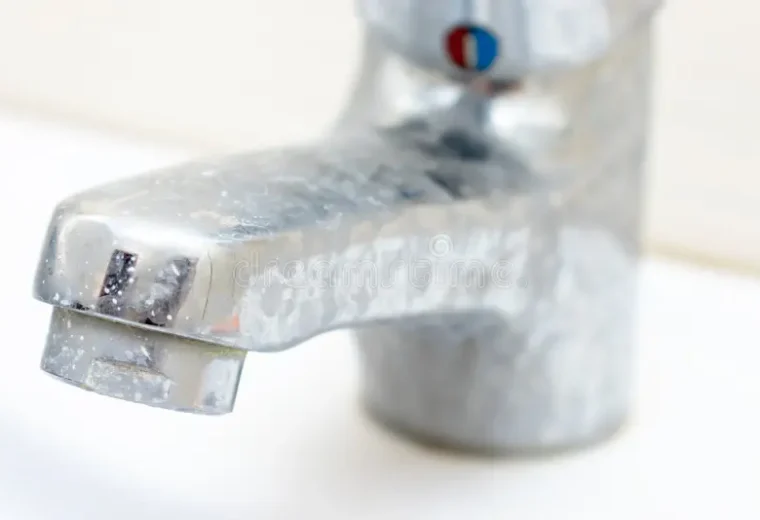
But water has a way of making itself noticed when something is not quite right. Maybe the tea tastes a little flat. Maybe the bathroom taps keep getting cloudy marks. Maybe the shower leaves your skin feeling tight, or the washing machine never seems to get towels properly soft. These are small signs, easy to brush aside, but they often point to the same thing: the quality of water running through the home matters more than we usually admit.
Why Water Quality Affects Daily Life
Water touches almost every part of the house. It is not only for drinking. It affects cooking, bathing, cleaning, laundry, appliances, plumbing, and even how comfortable a home feels. If the water has too many minerals, chlorine taste, sediment, odour, or other unwanted elements, those issues slowly become part of everyday routines.
That does not always mean the water is unsafe. Sometimes it simply means it is unpleasant or inefficient. A home may have water that meets general standards, yet still leaves stains, tastes strange, or causes scale around taps and appliances. That middle ground is where many families live without realising there are better options.
The Simple Comfort of Better Water
There is something deeply reassuring about clean water. Not in a dramatic way, not like a glossy advert where everyone is smiling too much, but in the normal, practical sense. You fill a glass and drink it without second-guessing the taste. You cook pasta without wondering why the water smells faintly of chlorine. You give your child a bottle before school and feel confident about it.
Clean-tasting water can also encourage better habits. People tend to drink more water when they actually enjoy it. Children complain less. Guests are less likely to ask for bottled water. Even coffee, tea, soup, and rice can taste better because the starting ingredient is better.
Common Signs Your Water Needs Attention
Some signs are obvious. A metallic taste. A rotten-egg smell. Rust-coloured stains. Cloudy water. These usually get attention quickly because nobody wants to ignore water that looks or smells wrong.
But other signs are quieter. White spots on glassware. Scale inside the kettle. Soap that does not lather well. Dry-feeling skin after showering. Laundry that comes out stiff. A dishwasher that leaves dull marks even after a full cycle. These problems are easy to blame on appliances or cleaning products, but water may be part of the issue.
The tricky thing is that water problems build slowly. You get used to them. You buy stronger cleaners. You replace showerheads. You add more detergent. Then one day you realise you have been working around the same problem for years.
What Water Treatment Really Does
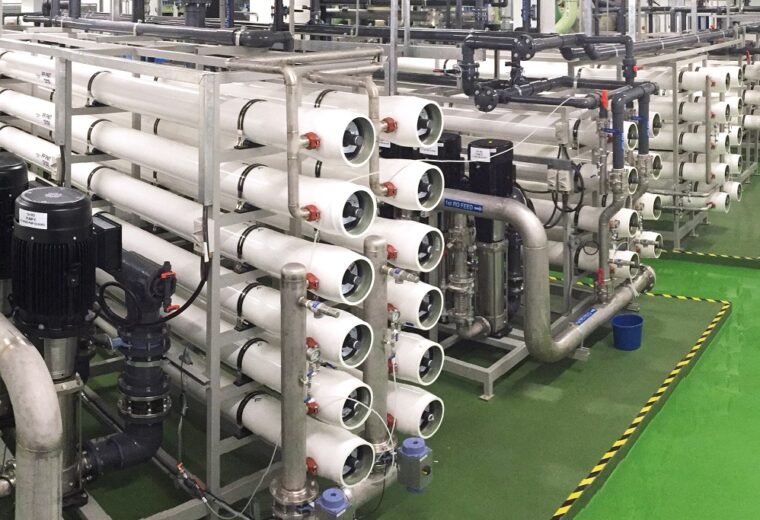
A proper water treatment approach is not about selling one system to every household. It is about understanding what is in the water and choosing the right way to improve it. Some homes need filtration for taste and odour. Others need softening to reduce hard minerals. Some need sediment filters, reverse osmosis, UV protection, or a whole-home system that handles several concerns at once.
Testing is the sensible first step. Without testing, homeowners are mostly guessing. A water test can show hardness levels, mineral content, chlorine presence, iron, sediment, pH balance, or other concerns depending on the source. Once the problem is clear, the solution becomes much easier to choose.
Better Water Helps Protect Appliances
Water does not just pass through a home harmlessly. It moves through water heaters, dishwashers, washing machines, coffee makers, boilers, ice makers, and plumbing lines. If that water carries minerals or sediment, those systems can slowly become less efficient.
Hard water, for example, can leave scale inside heating equipment. Sediment can collect in filters, valves, and fixtures. Chlorine or other chemicals may affect taste and smell. Over time, these little issues can lead to more cleaning, more maintenance, and sometimes expensive repairs.
Better-managed water helps appliances do their job with less strain. It may not be the most exciting home improvement, but it is one of the more practical ones.
Modern Systems Are Becoming Smarter
Today’s homeowners are not limited to basic filters and old-fashioned equipment. Many modern solutions are designed to be more efficient, easier to monitor, and better matched to real household needs. Some systems focus on drinking water. Others support the whole home. Some can be combined depending on the water source and family size.
This is where advanced aqua systems can make a meaningful difference. The best setups are not just about removing something from water; they are about creating a more dependable water experience throughout the home. That may include better taste, reduced scale, fewer odours, improved appliance protection, and more confidence in everyday use.
The Kitchen Notices First
The kitchen is usually where families feel the biggest difference. Water is used for almost everything there. Tea, coffee, soups, sauces, boiled vegetables, baby formula, ice cubes, and even rinsed fruit all depend on water quality.
When water tastes better, food and drinks often feel cleaner and more consistent. Coffee can taste smoother. Tea may look clearer. Ice cubes may not carry that odd tap-water flavour. It is a small improvement, yes, but kitchens are built from small repeated moments.
The Bathroom Benefits Too
Bathrooms tell the truth about water. If the water is hard or full of residue, it usually shows up on shower glass, tiles, taps, and skin. Cleaning becomes repetitive. Surfaces look dull quickly. Soap does not rinse as smoothly.
Improved water can make bathing feel more comfortable and cleaning less stubborn. It will not turn the bathroom into a self-cleaning miracle, unfortunately. But it can reduce the mineral marks and residue that make everything feel harder than it needs to be.
A Practical Upgrade for a Better Home
Good water is not loud. It does not demand attention. It simply makes the background of daily life better. A fresher glass of water. A cleaner kettle. Softer-feeling laundry. Better showers. Less doubt about what is flowing through the tap.
That is the real value. Not luxury, not hype, just a home that feels easier to live in. When something as basic as water improves, the benefits spread quietly through almost everything else.