Most people don’t think much about their water when everything seems normal. You turn on the tap, fill a glass, wash the dishes, and get on with your day. But water has a way of making itself noticed when something changes. A strange taste, spots on the sink, or water that suddenly looks different can leave you wondering what’s going on.
The good thing is that these signs are often useful clues. They don’t automatically mean there’s a serious problem, but they can tell you that your water deserves a closer look. Understanding what you’re seeing is the first step toward finding a sensible solution.
Hard Water Leaves More Than Just Spots
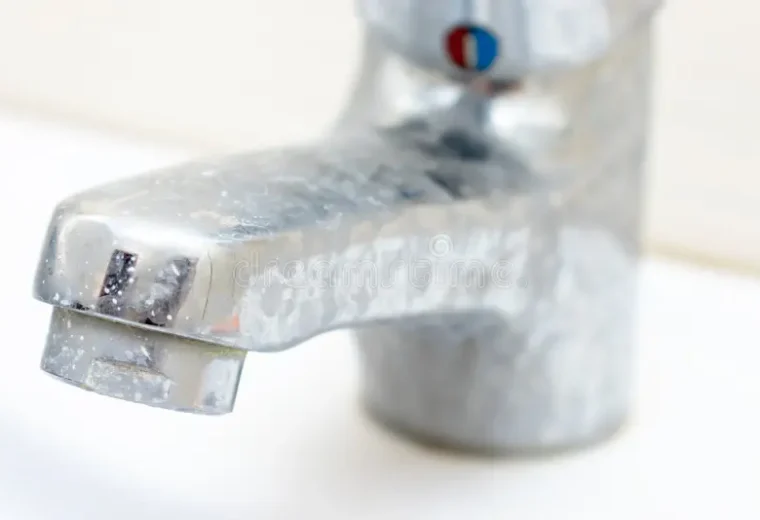
One of the most common complaints from homeowners is hard water. It contains higher amounts of minerals such as calcium and magnesium, which can leave deposits behind as water evaporates.
You may notice white marks around faucets, showerheads, or glass doors. Soap can also feel harder to rinse away, while dishes sometimes come out of the dishwasher with a dull, spotted appearance.
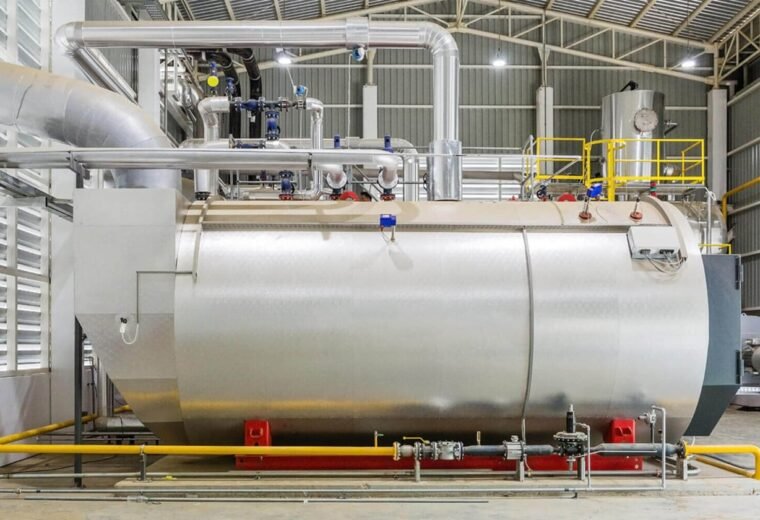
Over time, hard water can contribute to scale inside water heaters and other appliances. It doesn’t necessarily mean the water is unsafe, but it can certainly make household maintenance more frustrating.
If these signs keep appearing, testing the water can help determine whether hardness is actually the cause.
When Water Starts Smelling Different
Water should not normally have a strong or unpleasant smell. If you notice Unpleasant odors coming from a faucet, don’t simply cover them up with air freshener and hope for the best.
The cause can vary. Chlorine may produce a noticeable smell in some treated municipal water. Organic material, plumbing issues, or problems with a private well can create different odors.
Sometimes the smell is coming from the drain rather than the water itself, which is another reason not to jump to conclusions.
Try running the cold water for a short time and compare it with water from another faucet. If the odor persists or suddenly appears throughout the home, getting the water evaluated is a sensible next step.
Cloudy Water Deserves Attention
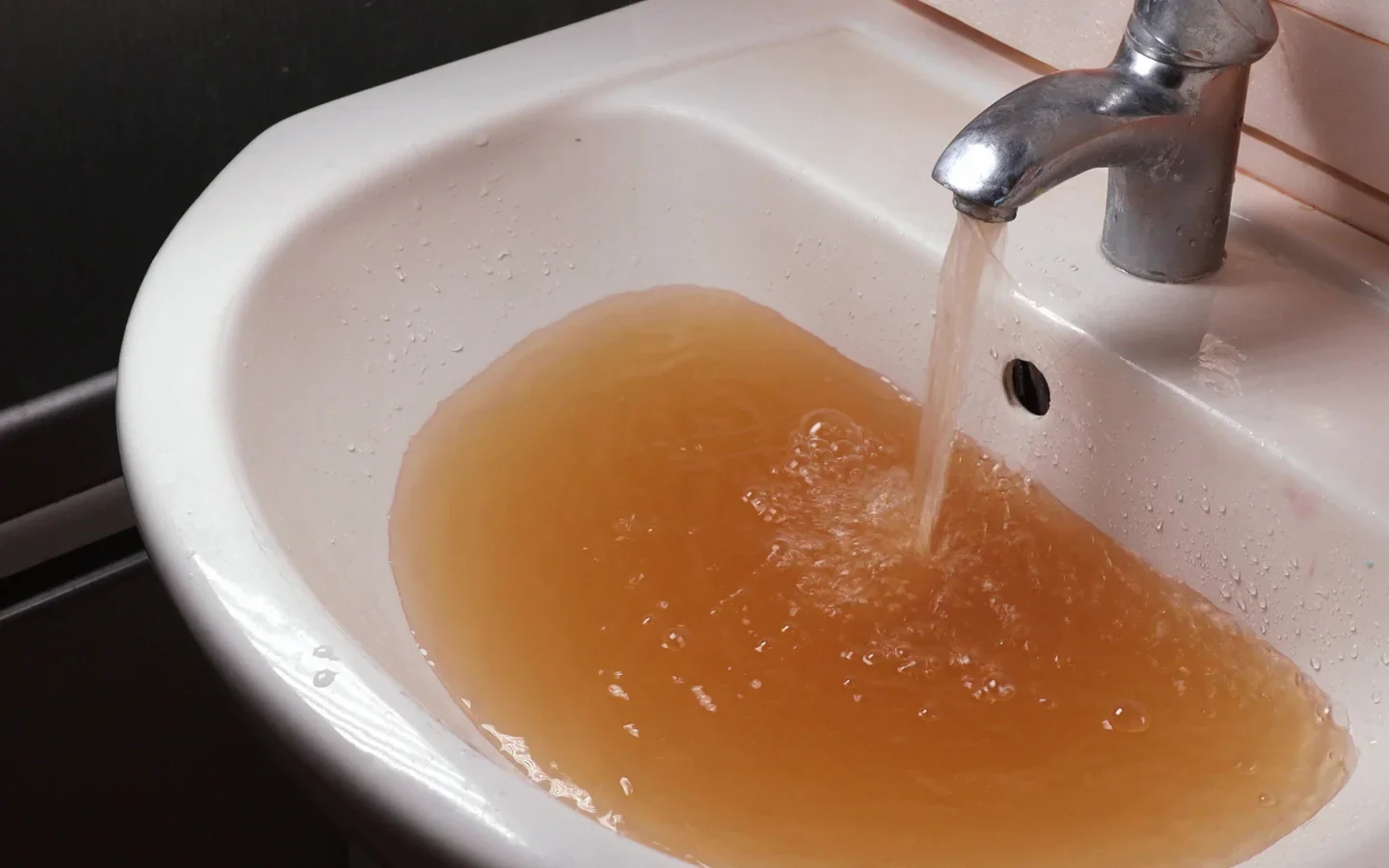
Clear water is what we’re used to seeing, so Cloudy or discolored water can be unsettling. It may look white, yellowish, brown, or slightly hazy depending on the cause.
Sometimes cloudy water is simply caused by tiny air bubbles. Fill a clear glass and let it sit for a few minutes. If the water gradually clears from the bottom upward, trapped air may be responsible.
Discoloration can have other causes, including sediment, mineral deposits, plumbing corrosion, or changes in the water supply. Private well owners may also notice changes after heavy rain or seasonal shifts.
The important thing is to pay attention to whether the change is temporary or keeps happening.
Taste Can Be Another Warning Sign
Not every water-quality issue is visible. Sometimes your taste buds notice a change before your eyes do.
A metallic taste may be associated with certain minerals or plumbing materials. A chlorine taste can be noticeable in some municipal supplies. Other unusual flavors may point toward filtration or treatment concerns.
If your water suddenly tastes different, compare it with water from another faucet. You can also check whether the change affects both hot and cold water.
Don’t assume every taste problem requires the same treatment. A water test can help narrow down the possibilities before you spend money on equipment.
Watch What Happens to Your Appliances
Your home’s water quality doesn’t only affect drinking glasses and faucets. Water-using appliances deal with those same conditions every day.
Water heaters can accumulate mineral scale. Dishwashers may struggle with spots and residue. Washing machines, coffee makers, and humidifiers can also be affected by mineral-rich water.
If you find yourself cleaning scale from several appliances more often than you’d like, it may be worth investigating the water itself.
A treatment system won’t replace normal appliance maintenance, of course. But addressing the underlying water condition can help reduce unnecessary buildup and make cleaning less of a constant chore.
Water Pressure Changes Shouldn’t Be Ignored
A sudden change in water pressure can be caused by several things, and not all of them are related to water quality.
A clogged filter, however, can restrict flow and create noticeable pressure problems. If the water pressure has gradually decreased after installing a filtration system, the filter may simply need replacement.
Leaks, plumbing restrictions, pressure-regulating equipment, and other issues can also be responsible.
The point is simple: don’t assume the treatment system is working properly just because you can still hear it running. Equipment can continue operating while performance gradually declines.
Private Wells Need Extra Attention
Homeowners with private wells have a different responsibility because they manage their own water supply.
Well water can be influenced by local geology, groundwater conditions, nearby land use, and seasonal changes. A well that has provided clear, good-tasting water for years can still experience changes.
Regular testing is a smart habit, particularly when there’s a noticeable change in taste, smell, appearance, or household water conditions.
If you have a private well and haven’t tested the water recently, consider making it part of your regular home-maintenance routine. It’s one of those small tasks that’s easy to postpone until you have a reason not to.
Don’t Guess When Testing Can Help
It’s easy to search online, see ten possible explanations for a water problem, and become even more confused.
Testing gives you something more useful than guesses. Depending on the type of test, you may learn about hardness, pH, minerals, sediment, or other characteristics.
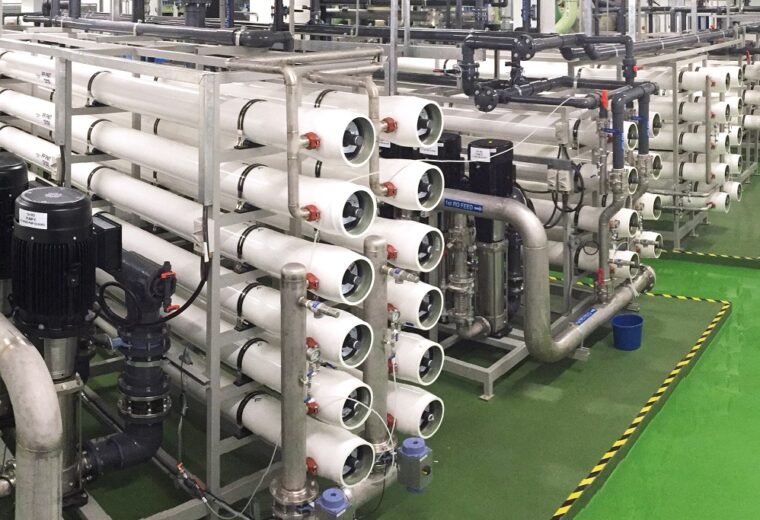
Once you know what’s actually happening, treatment options become easier to understand. A softener might make sense for hardness, filtration could address certain taste or sediment concerns, and other technologies may be appropriate for different conditions.
The goal isn’t to install every available piece of equipment. It’s to solve the problem you actually have.
Small Clues Can Lead to Better Water
Your water doesn’t need to look dramatically wrong before you pay attention. White scale, unusual smells, changes in taste, discoloration, and pressure problems can all be useful clues.
None of these signs should automatically cause alarm. But they shouldn’t be ignored either, especially when a change is sudden, persistent, or affecting the entire home.
Start with observation. Then test the water when appropriate, understand the results, and choose treatment based on evidence.
Good water treatment isn’t about chasing the most expensive technology. It’s about understanding what your home needs and taking practical steps to address it.
Once the right solution is in place, the signs often disappear into the background. Faucets stay cleaner, water tastes better, appliances have less buildup, and that glass of water on the kitchen counter becomes just a glass of water again. Sometimes, that’s the best outcome you can ask for.