There’s a moment most people can relate to—you’re washing your hands, rinsing a glass, or stepping into the shower, and something just feels… off. Not bad, not alarming, just different. The soap doesn’t lather the way it used to. Your skin feels a little tighter after a shower. Maybe your tea tastes slightly dull.
It’s easy to brush it aside. Life is busy. Water is water, right?
But sometimes, those small signals are your home trying to tell you something.
The Everyday Signs We Tend to Ignore
Water rarely announces problems loudly. Instead, it whispers.
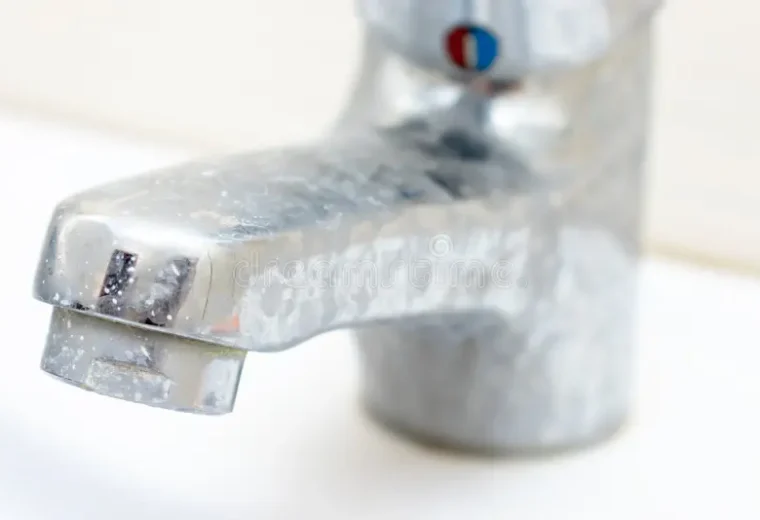
You might notice white spots on your taps that don’t wipe away easily. Or your clothes feel a bit rough, even fresh out of the wash. Maybe your kettle builds up residue faster than it should.
These are common signs of hard water issues, and while they’re not dangerous, they can quietly affect your daily routine more than you realize.
The tricky part is how gradual it all is. Nothing breaks overnight. It’s a slow buildup—literally and figuratively.
What’s Really Happening Behind the Scenes
Hard water contains higher levels of minerals like calcium and magnesium. These minerals don’t just pass through your system unnoticed. They interact with soap, cling to surfaces, and settle inside pipes and appliances.
Over time, they create a layer—thin at first, but persistent. That’s what causes those chalky marks on fixtures and that stubborn film on your dishes.
Inside your plumbing, the effect is even less visible but more impactful. Pipes can narrow slightly, heating elements become less efficient, and appliances start working harder than they should.
It’s not a crisis. But it’s not nothing either.
When You Start Looking for Solutions
Once you connect the dots, the next step feels obvious—how do you fix it?
This is where water filtration systems often come into the conversation. But here’s the thing: not all systems are designed for the same purpose.
Some focus on improving taste and removing chlorine. Others are built to tackle mineral content and reduce hardness. Understanding what your water actually needs makes all the difference.
It’s less about choosing the most advanced system and more about choosing the right one.
The Difference You Don’t Expect
People often expect dramatic changes when they improve their water. But what they usually notice are smaller, more personal shifts.
Your soap lathers more easily. Your dishes come out cleaner. Your laundry feels softer. Even your hair and skin might respond differently—less dryness, less irritation.
These changes don’t shout for attention. They settle quietly into your routine, making everyday tasks feel just a bit easier.
And once you notice them, it’s hard to imagine going back.
Looking at the Bigger Picture
Water doesn’t just affect how things feel—it influences how long things last.
Appliances like washing machines, dishwashers, and water heaters all rely on water flowing efficiently. When mineral buildup interferes, their performance drops over time.
That’s why many homeowners start exploring broader home water solutions. Not just to fix a single issue, but to improve the overall experience of living with water.
It’s a shift from reactive thinking—fixing problems as they arise—to proactive care.
Keeping It Simple and Practical
It’s easy to get overwhelmed once you start researching water solutions. There’s a lot of information, a lot of options, and plenty of opinions.
But it doesn’t have to be complicated.
Start by identifying what’s bothering you the most. Is it the taste? The buildup? The way your appliances are performing? Focus on that first.
You don’t need to solve everything at once. Even a small improvement can make a noticeable difference.
Listening to Your Home
Homes have a way of communicating, if you pay attention.
A slight drop in water pressure. A change in how your fixtures look. A feeling that something isn’t quite right.
These aren’t urgent alarms. They’re gentle nudges.
And responding to them early often saves you from bigger, more expensive issues later.
Final Thoughts: Small Changes That Add Up
Water is one of those things we take for granted because it’s always there. Reliable, consistent, easy to trust.
But when it starts behaving differently, it’s worth paying attention—not out of worry, but out of care.
Improving your water isn’t about chasing perfection. It’s about making everyday life a little smoother, a little more comfortable.
And sometimes, the smallest changes—the ones you barely notice at first—end up making the biggest difference over time.