Plumbing is one of those parts of a home that tends to disappear into the background. You turn on a faucet, wash the dishes, take a shower, flush the toilet and move on with your day.
Until something goes wrong.
A kitchen sink starts draining slowly. Water appears under a cabinet. The shower pressure feels strangely weak. Suddenly, the pipes and fixtures you’ve ignored for years become very interesting.
The good news is that keeping a home’s plumbing in reasonable shape doesn’t have to be complicated. A few sensible habits, timely repairs and the right equipment can prevent many everyday problems from turning into expensive emergencies.
Start With the Kitchen Sink
The kitchen sink works harder than it gets credit for. Between washing dishes, rinsing food and preparing meals, it deals with a constant stream of water and waste.
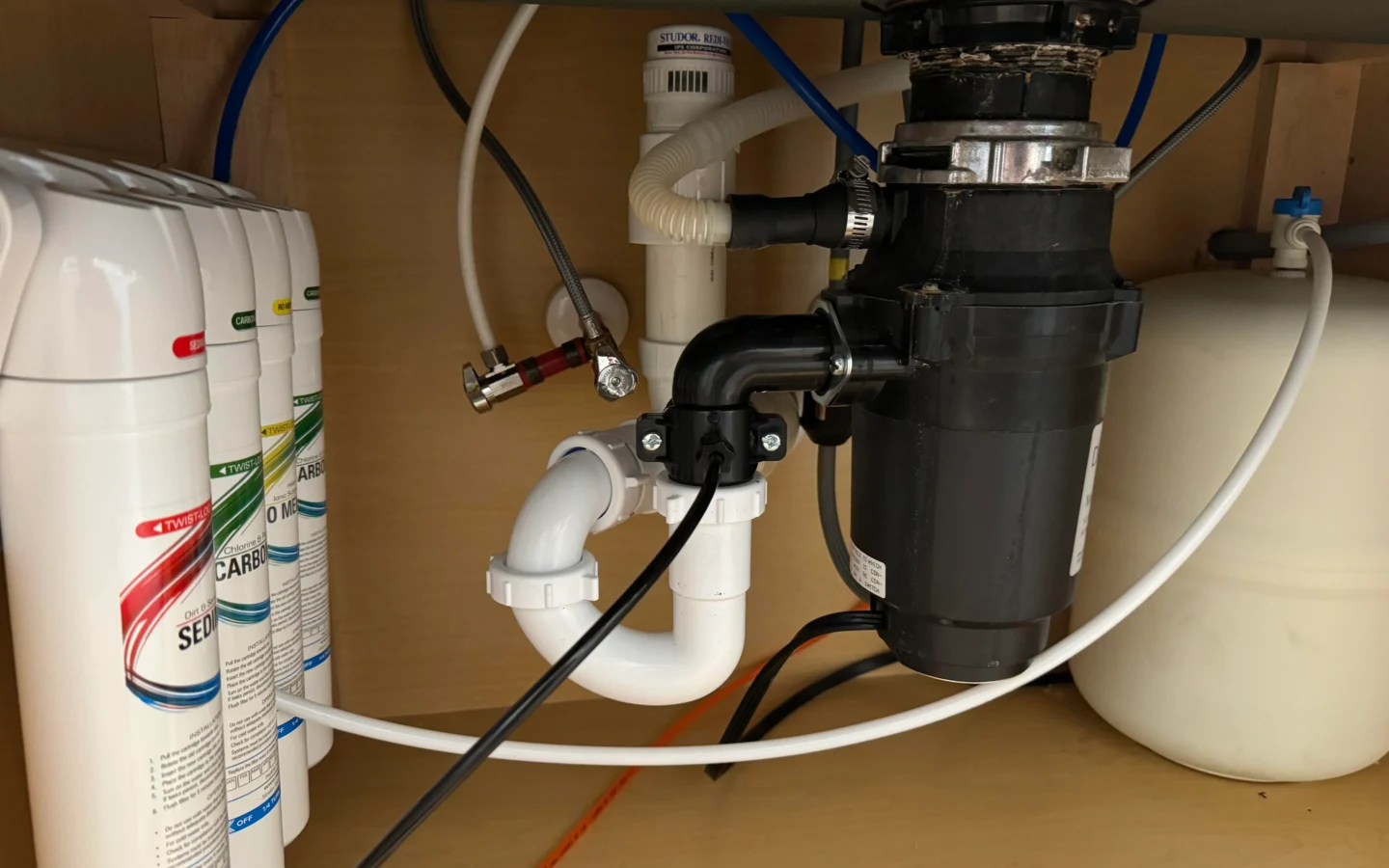
For homes with garbage disposals, sensible use is particularly important. These units are convenient, but they’re not designed to handle every type of food waste.
Grease, cooking oil, fibrous foods and large hard materials can create problems. Even when the disposal seems powerful enough to handle something, that doesn’t mean the plumbing system wants it going down the drain.
Running cold water while operating the disposal and avoiding excessive amounts of food at once can help. If the unit begins humming, jamming or producing persistent odors, don’t keep forcing it to run. Something may need attention.
Small Leaks Shouldn’t Be Ignored
A slow drip under the kitchen sink might not look urgent. There’s no flooding, no dramatic spray of water, just a little moisture.
But leaks have a habit of becoming more expensive when they’re ignored.
A small leak can damage cabinetry, flooring and drywall. Hidden leaks can be even more troublesome because they may continue for weeks before anyone notices.
Watch for water stains, damp smells, swollen wood, peeling paint or unexplained increases in the water bill. These signs don’t automatically mean something serious is happening, but they’re worth checking.
Fixing a minor problem early is usually easier than dealing with water damage later.
Water Quality Matters Too
Plumbing isn’t only about moving water around the house. The quality of that water matters, particularly for drinking and cooking.
Water may contain minerals, sediment, chlorine or other substances depending on its source and treatment. Clear water isn’t necessarily the same thing as ideal water.
Testing can help homeowners understand what they’re actually dealing with. Once the water quality is known, choosing an appropriate treatment method becomes much easier.
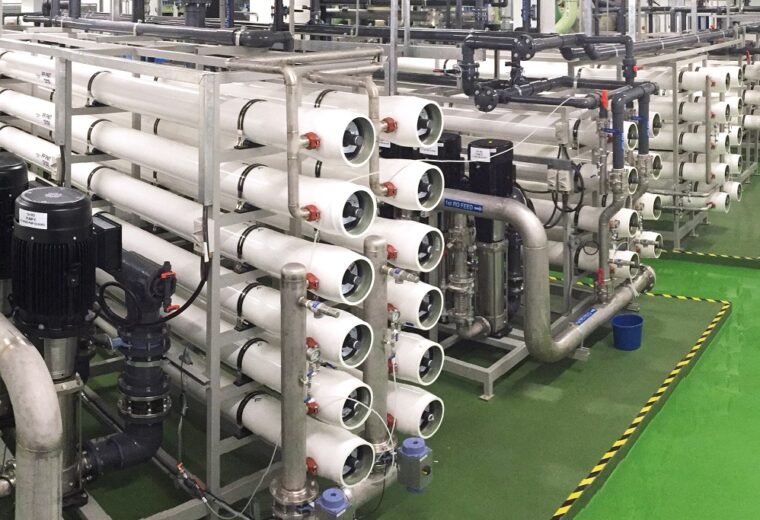
For some households, reverse osmosis can be a useful option for reducing various dissolved substances and impurities in drinking water.
However, reverse osmosis isn’t a universal answer to every water-quality concern. Different systems address different problems, and some installations may require pretreatment. Testing first is generally the smarter route.
Watch Your Water Pressure
Water pressure is easy to take for granted until it changes.
If one faucet suddenly has weak flow, the problem might be a clogged aerator or local restriction. If several fixtures throughout the home lose pressure at the same time, the cause could be more significant.
High pressure can create problems too. Excessive pressure may place additional stress on pipes, valves and appliances.
Before replacing fixtures, determine whether the issue is local or affects the whole house. A little diagnosis can save a lot of unnecessary spending.
Drains Give Early Warning Signs
A drain that empties slowly isn’t necessarily an emergency, but it shouldn’t be ignored indefinitely.
Bathroom drains often collect hair and soap residue. Kitchen drains can accumulate grease and food particles. Over time, this buildup can restrict flow.
If the same drain keeps blocking after basic cleaning, there may be a deeper obstruction.
It’s tempting to reach for a strong chemical drain cleaner every time. But repeated chemical treatments aren’t always the best long-term solution, especially when the underlying cause hasn’t been identified.
Sometimes professional drain cleaning is the more sensible choice.
Don’t Forget the Water Heater
Hot water systems deserve occasional attention, even though they’re easy to forget.
Keep an eye out for leaks, strange noises, inconsistent temperatures or rust-colored water. These signs can indicate that the system needs maintenance or may be approaching the end of its useful life.
Sediment buildup can affect some storage-tank water heaters and reduce efficiency. Following the manufacturer’s maintenance recommendations can help keep the system working properly.
If replacement is eventually needed, don’t simply choose a new unit based on the old one’s size. Household water usage may have changed.
Your Fixtures Need Care, Too
Faucets, toilets and shower fixtures are used constantly. Naturally, components wear.
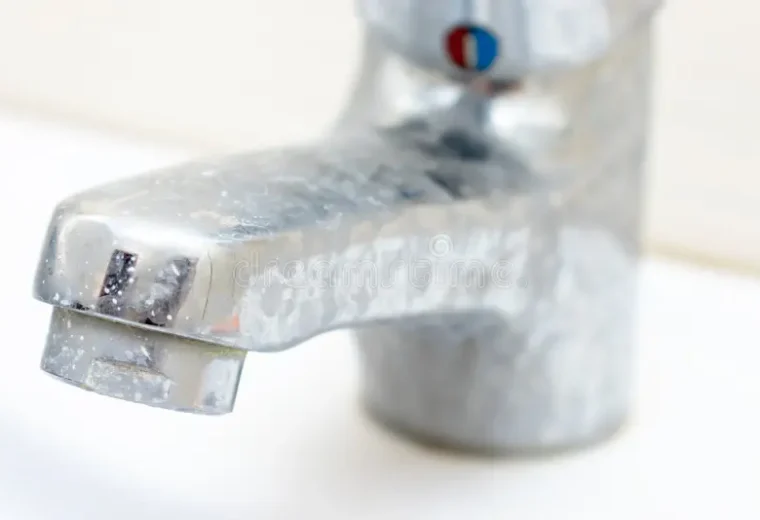
A dripping faucet may need a new cartridge or seal. A toilet that continues running may have a faulty flapper or fill valve. A showerhead with reduced flow could simply have mineral buildup.
These aren’t always major repairs, but repeated problems deserve attention.
Replacing a fixture is also a chance to consider efficiency and functionality. Water-saving fixtures can reduce consumption without requiring major changes to the home’s plumbing.
Renovations Are a Good Time to Look Behind the Walls
If you’re remodeling a bathroom or kitchen, don’t focus entirely on the surfaces you can see.
New cabinets and beautiful tiles are great, but older pipes hidden behind them can still cause trouble.
When walls or flooring are already being opened, it’s worth checking accessible plumbing for corrosion, worn connections or outdated components. Moving fixtures may also require changes to water lines and drainage.
Addressing these issues during renovation can be far easier than dealing with them afterward.
Know When to Call a Professional
There are plenty of simple plumbing jobs that homeowners can handle. But some situations are better left to someone with the right tools and experience.
Recurring blockages, hidden leaks, major pipe damage, significant pressure changes and water heater problems can all become more complicated than they first appear.
A professional should be able to explain what they found and why a particular repair is recommended. You don’t need to understand every technical term. You simply need enough information to make a sensible decision.
Don’t be afraid to ask questions about materials, expected costs and the likely cause of the problem.
A Little Attention Can Prevent Big Headaches
Good plumbing maintenance isn’t about constantly worrying about pipes.
It’s about noticing changes.
A strange sound, damp cabinet, slow drain or sudden pressure change can be a useful warning. Addressing those signs early may prevent a much larger repair later.
The same goes for water quality and kitchen equipment. Use fixtures responsibly, maintain important appliances and choose treatment systems based on actual household needs rather than assumptions.
In the end, the best plumbing system is the one you rarely have to think about. Water flows where it should, drains work properly, drinking water is treated appropriately and the kitchen doesn’t surprise you with a puddle on the floor.
That’s not glamorous. But for a homeowner, reliable and uneventful plumbing is a pretty wonderful thing.